Art Scene
CONTEMPORARY ARTIST SHARON KERUBO ON SHOWCASING AT CHRISTIE’S LONDON
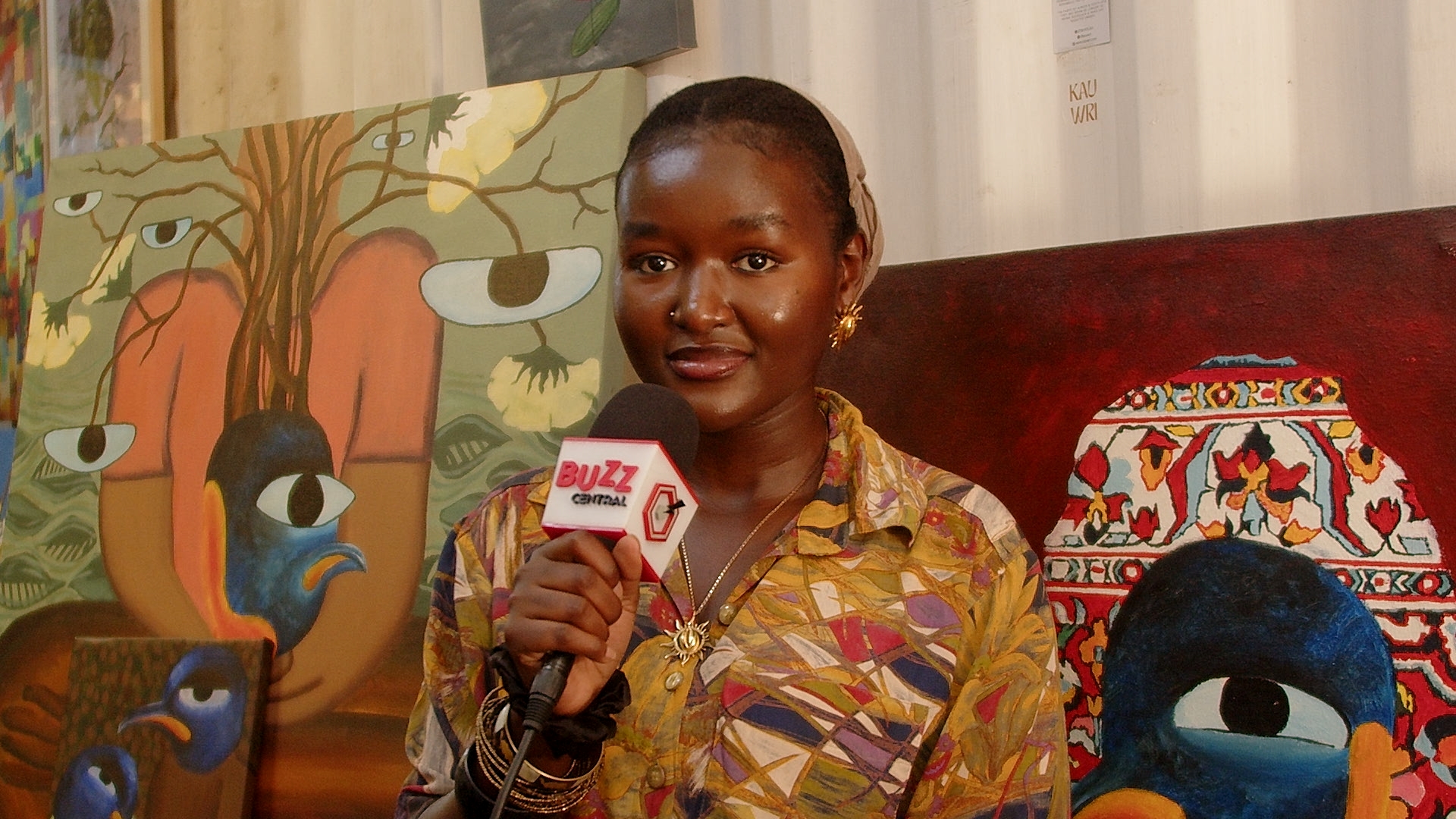
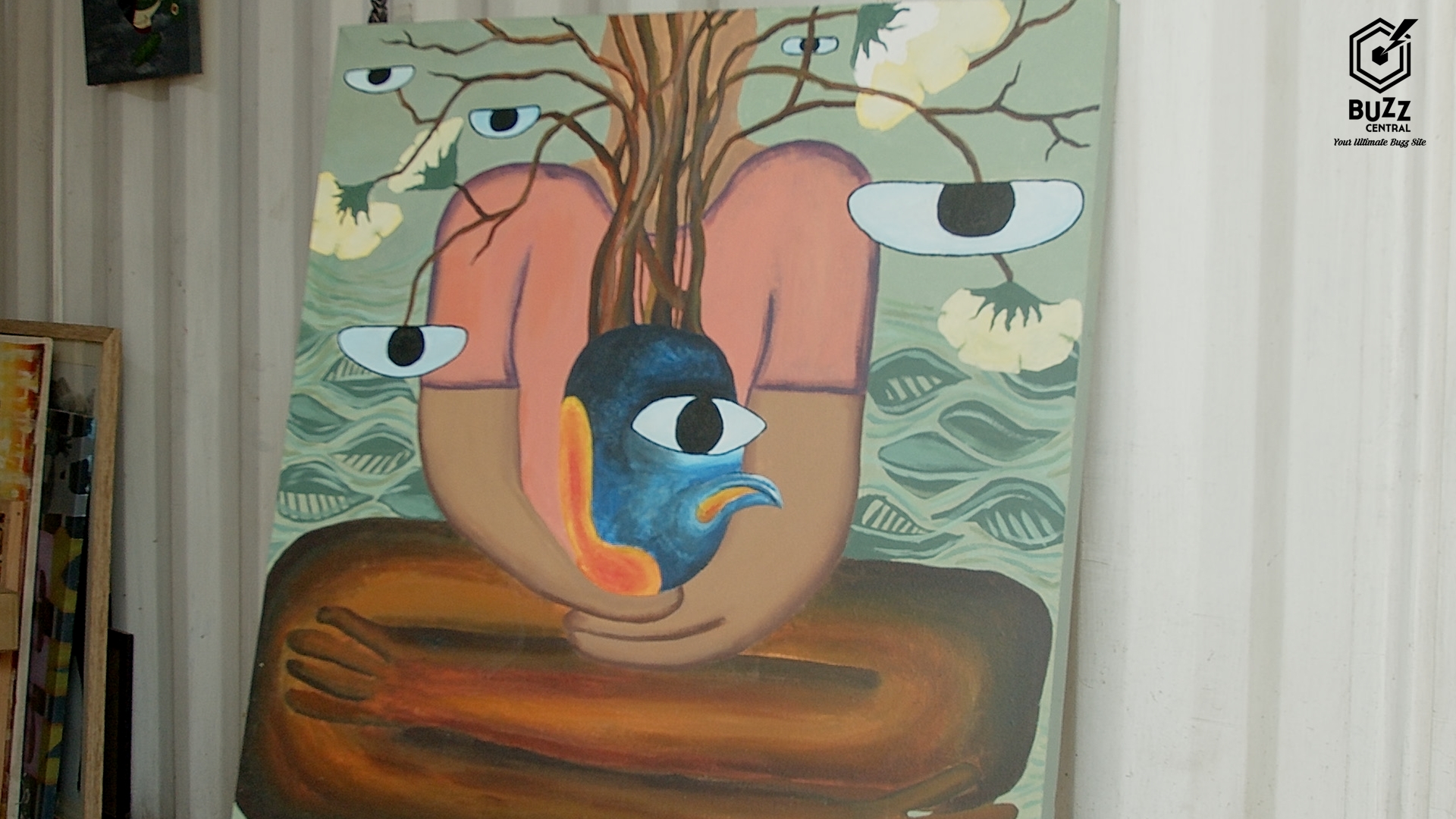
In a studio at Nairobi’s Kuona Artists Collective, Sharon Kerubo is building a world where the normal rules do not apply. Here, human figures carry the heads of penguins or cows, engaging in the everyday rituals of modern life. It is a gentle, yet powerful, rebellion against the ordinary a visual language she has developed to ask one simple, question: what does it mean to be human?
“I hope people look at my work and see themselves in a new perspective,” Kerubo says, considering a half-finished painting. “I use a lot of humour and irony because humour is disarming. People will look at something, they laugh, they’re drawn in, and then they ask the important questions.”
Her artistic journey began not in a classroom, but on the road. The daughter of a father whose work required constant travel, she was exposed to a variety of cultures from the age of eight. “I really got to see many different ways of doing things,” she explains. “That influenced my art because I don’t stick to stereotypes. I am very open, and I adopt many different inspirations.”
Despite early exposure, her path to becoming a full-time artist was not direct. She studied interior design at university, a choice that quickly felt at odds with her spirit. “I found the job market very exploitative,” she states. Even then, she was prioritising private art commissions over her studies. “The money came first,” she admits with a smile.
It was the pandemic that became an unexpected turning point. The global period of isolation forced a period of reflection. “It made me look at the world, and life, in a very different way,” she recalls. This introspection shifted her work from detailed charcoal portraits towards themes of climate change and wildlife, aiming to show “that we are part of nature and we all need to coexist.”
From this exploration, her unique surrealist style was born. The now-signature penguin figure began as a self-portrait, a symbol of feeling separate from the conventional “nine-to-five” world around her. “I felt closer to penguins than I was to the humans around me,” she says. “It represents the crazy systems we exist in that I don’t think we are always aware of.”
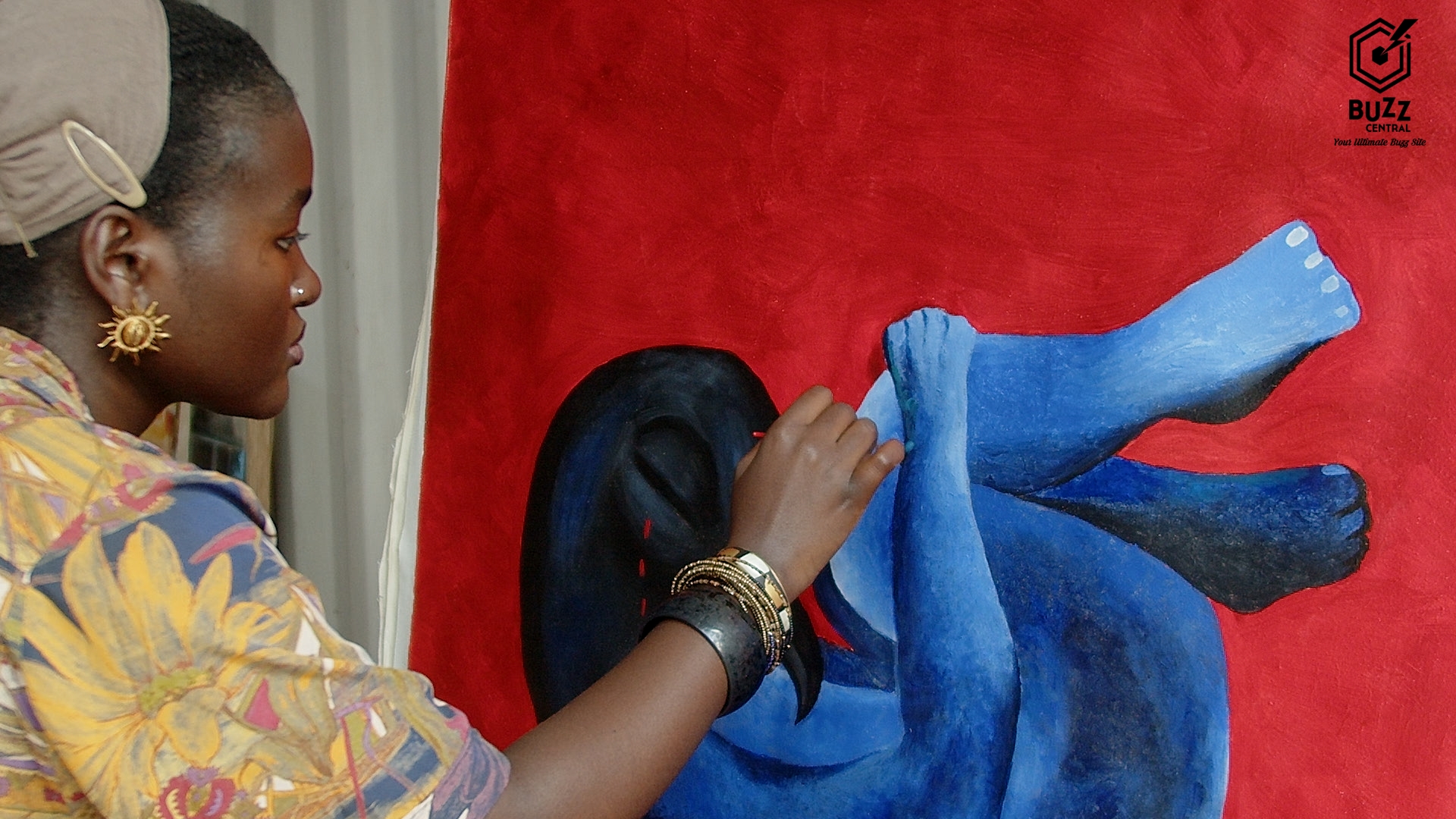
This innovative approach has not gone unnoticed. She has collaborated with National Geographic on an educational project about coastal wildlife, a career highlight that combined her art with activism. September 2024, she received a career affirmation when her work was featured in a show at Christie’s in London during Black History Month.
“It was not something I was even dreaming of,” she says, still seeming surprised. “I didn’t sell a piece, but I got so much more. I made connections and showed my work to a large audience. It was very affirming.”
Her participation in an exhibition at the AKKA Project Italy in May 2025 presented a different kind of challenge. The requirement to create work within a strict 30 by 30 centimetre limit forced a shift in her process. “I’ve been doing very large format pieces, so trying to convey my message within such a tiny space was really challenging,” Kerubo explains.

Yet, this constraint proved valuable, compelling her to refine her expression and confront the essentials of her message without the large canvas.
The Kuona Artists Collective, where she has been based for three years, has pushed her to expand her practice beyond charcoal into painting and soon, sculpture. “This space has really challenged me to expand the ways I explore my art,” she notes.
Her current work is her most personal yet: a series on love and betrayal, inspired by a recent heartbreak. “Love comes with a lot of risks,” she says. “I want to portray that. You expect a theme of love to be cute, but it’s also about vulnerability.”
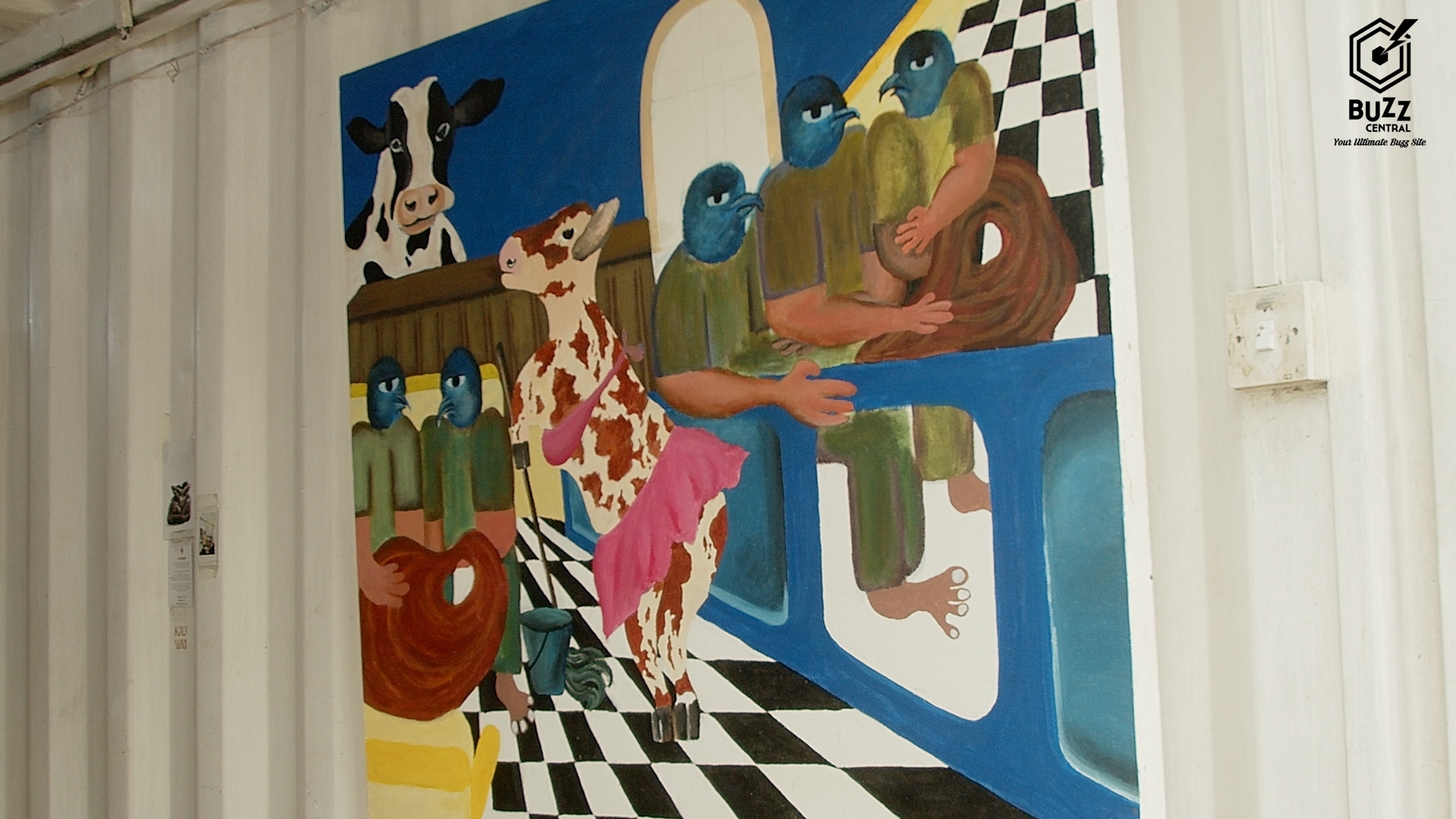
When she is not working on her own art, she sustains her practice by teaching through her initiative, Plein Air Painting Kenya, hosting classes in landscapes across the country. Her advice to new artists is simple, “Stay true to yourself. There is a lot of noise in this industry. You have to find your truth and move from there. You can never go wrong with that.”
Looking forward, Kerubo imagines her surreal world growing into larger, more immersive installations and even performance art. “I feel like I can do more,” she says. “I want to create a world people can walk into and see things from my perspective.” For an artist who has already made the world stop and think, it seems like the next logical step.