Business
SAFARICOM AT 25: CEO NDEGWA BETS KENYAN SUCCESS ON ETHIOPIA
As Safaricom prepares to celebrate its 25th anniversary, its strategic blueprint honed in Kenya is being deployed to capture one of Africa’s final untapped telecom markets: Ethiopia.
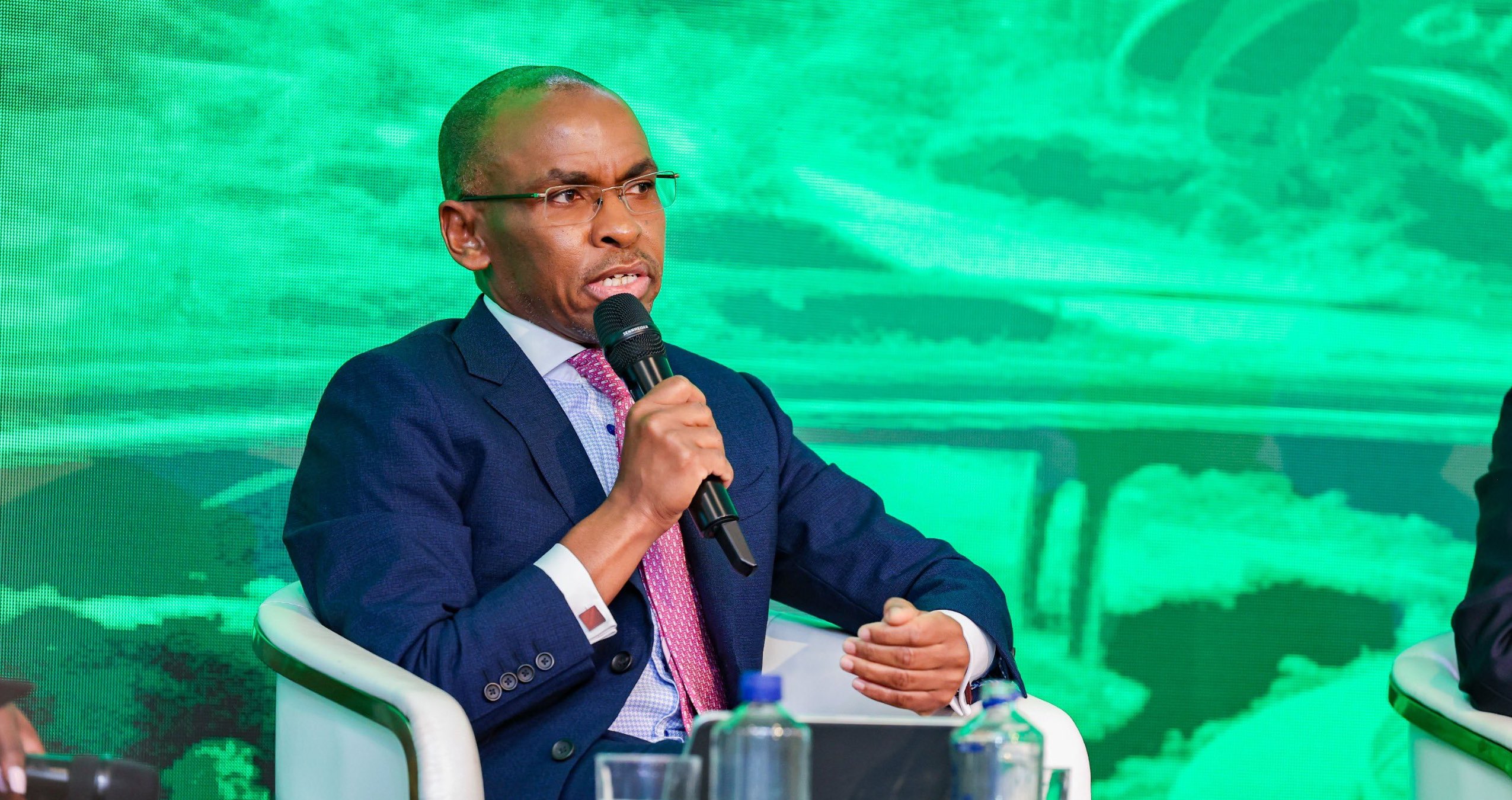
In an exclusive interview with Developing Telecoms at Vodafone UK’s London headquarters, CEO Peter Ndegwa outlined how the operator is leveraging its scale, financial strength, and core purpose to fuel its ambitious expansion.
Ndegwa, who transitioned from a 15-year tenure in the food and beverage industry at Diageo to helm the telecom giant five years ago, has presided over a period of record growth. Under his leadership, Safaricom has soared past 50 million customers in Kenya, achieving over $3 billion in revenue and $1.2 billion in operating profit.
This formidable financial engine is now directly funding its most significant gamble yet. “The group generates a lot of cash,” Ndegwa noted, a fact that enabled the company to invest $2.5 billion into Ethiopia, much of which has already been repaid. This war chest is critical for the new operation, which is currently in a heavy investment phase.
Despite posting a significant loss due to startup capital expenditure and Ethiopia’s currency devaluation in 2024, Ndegwa’s confidence is unshakable. The company has pledged to break even by 2027, pointing to the rapid customer acquisition as a sign of early success. “In Ethiopia we’ve reached 10 million customers in three years. It took eight years to achieve that milestone in Kenya. That shows the importance of scale,” Ndegwa told Developing Telecoms.
With mobile penetration in Ethiopia is around 50% for its 125 million people, he sees immense potential, adding, “There’s still a lot of headroom to grow.” The target is to reach 15 million subscribers by year-end and nearly 50 million within a decade.
Back in its home market, Safaricom is far from saturated. Ndegwa believes there is a lot of room to grow in Kenya as well, particularly in mobile data and broadband. With only half of its 50 million customers using 4G or 5G devices, affordability remains the key barrier. The company’s innovative response, the locally manufactured ‘Neon’ smartphone line aims to bridge this gap and fuel a 20-30% annual rise in 4G uptake.
This focus on addressing core customer needs is what Ndegwa credits as the bedrock of Safaricom’s success. “The financial benefits we’ve gained came from our purpose,” he concluded. “We started with purpose, then customer focus, and then pushed innovation. We are doing the right things, driven by our desire to create impact.”
As Safaricom enters its next quarter-century, its strategy is clear: leverage the strong financial foundation of its Kenyan operations to fund and replicate its model across East Africa, proving that its most significant growth may still be ahead.