Art Scene
SCULPTOR KEPHA MOSOTI SPEAKS ON THE DOWNFALL OF MOST ARTISTS
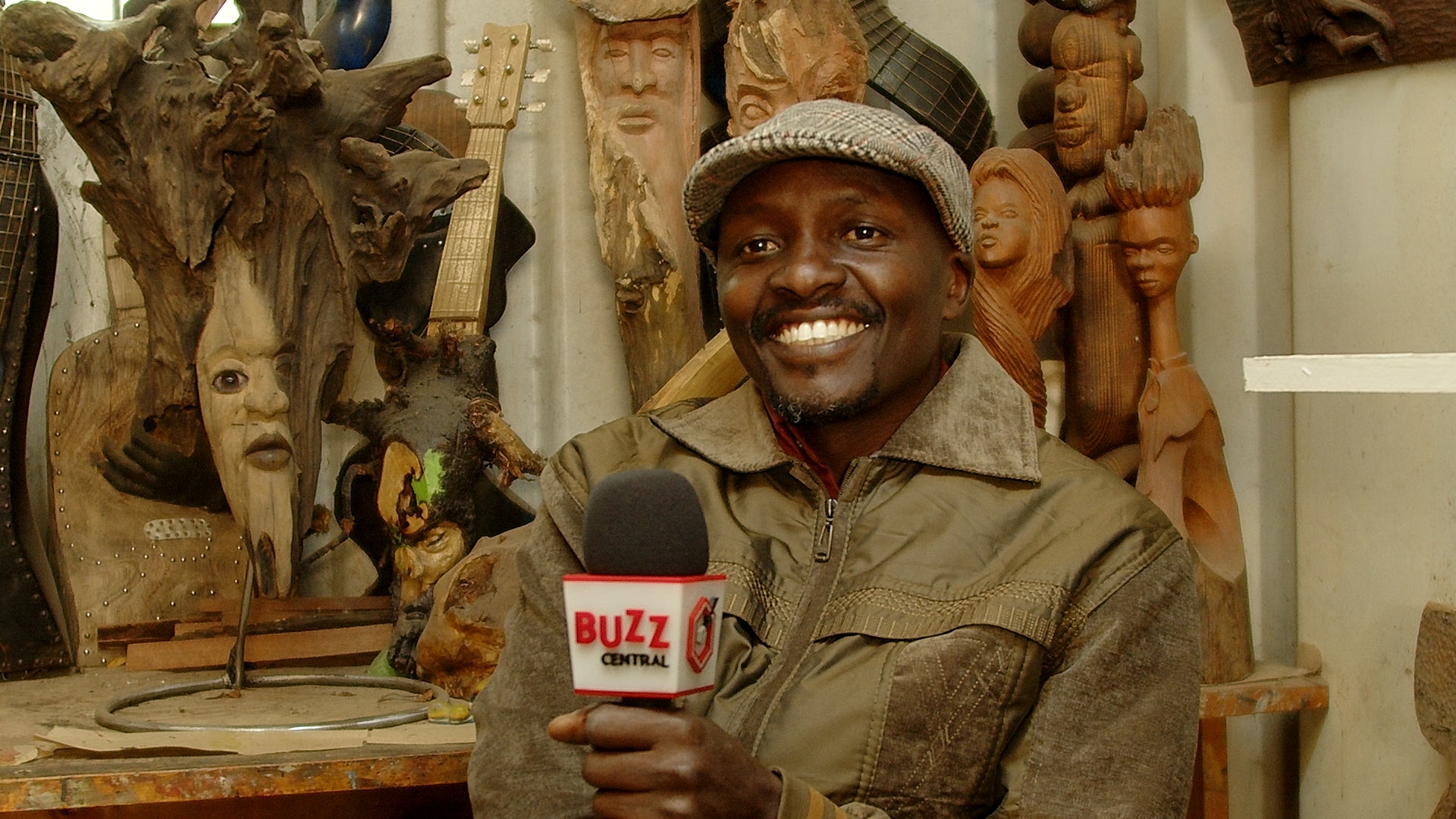
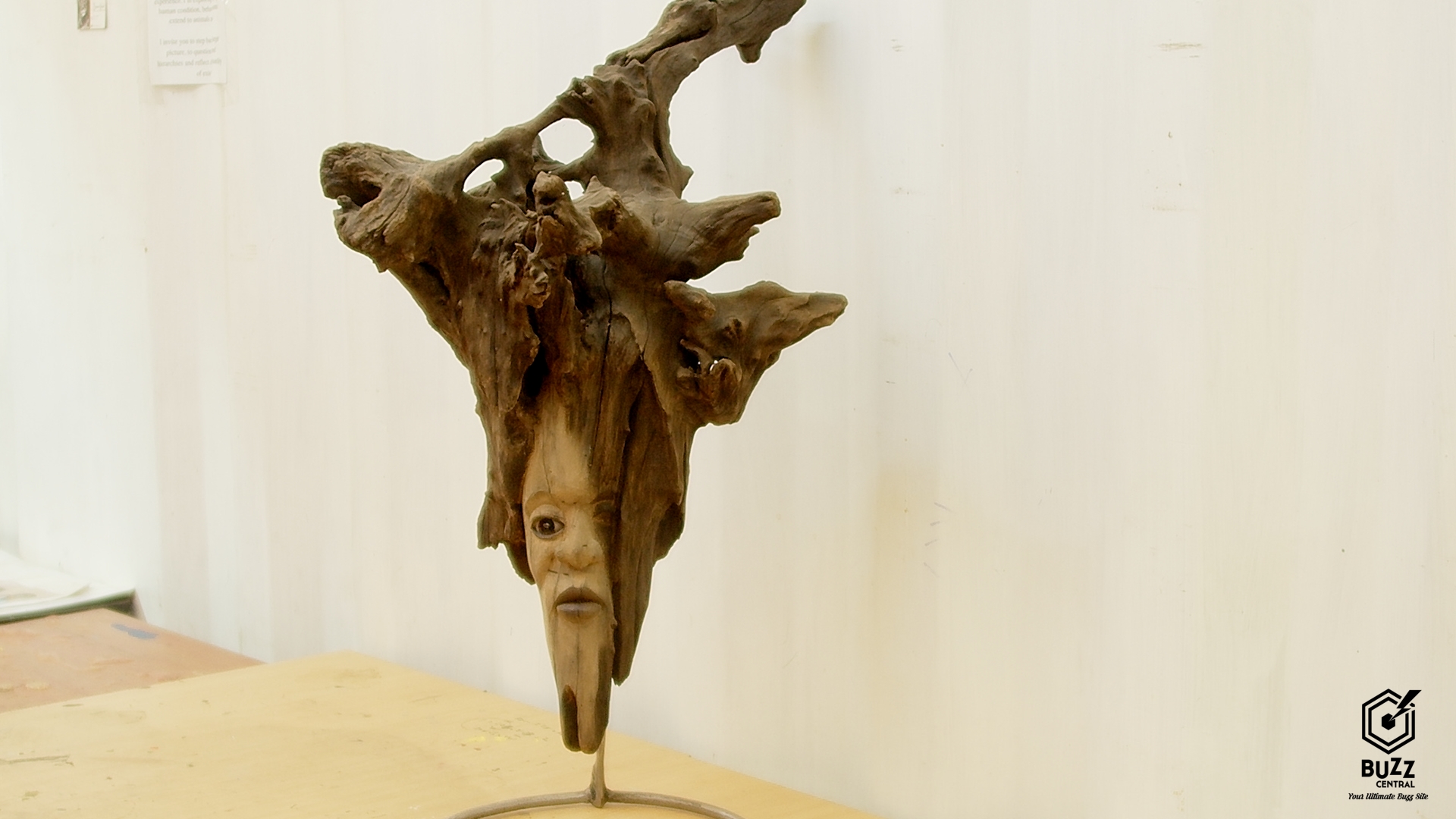
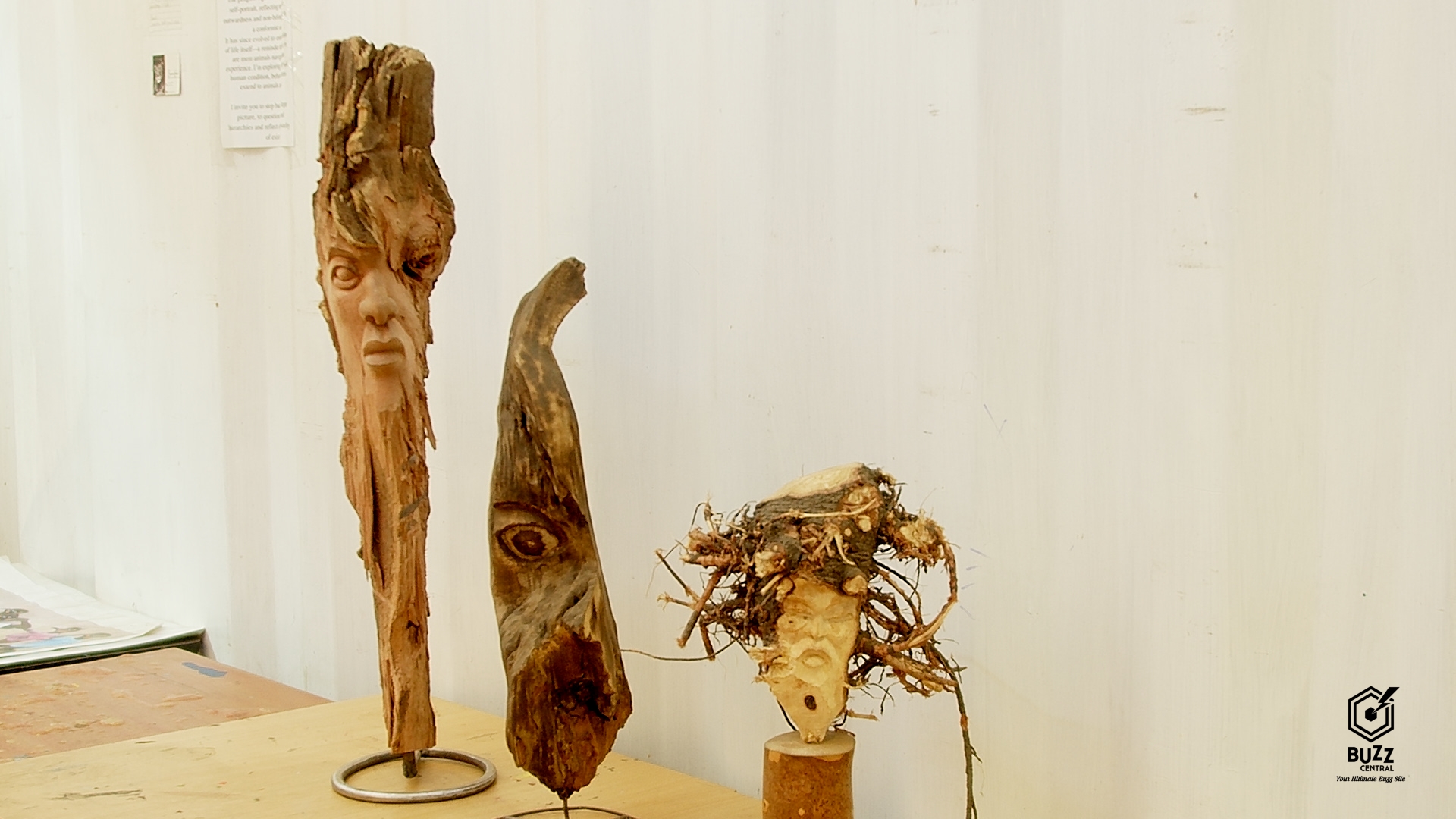
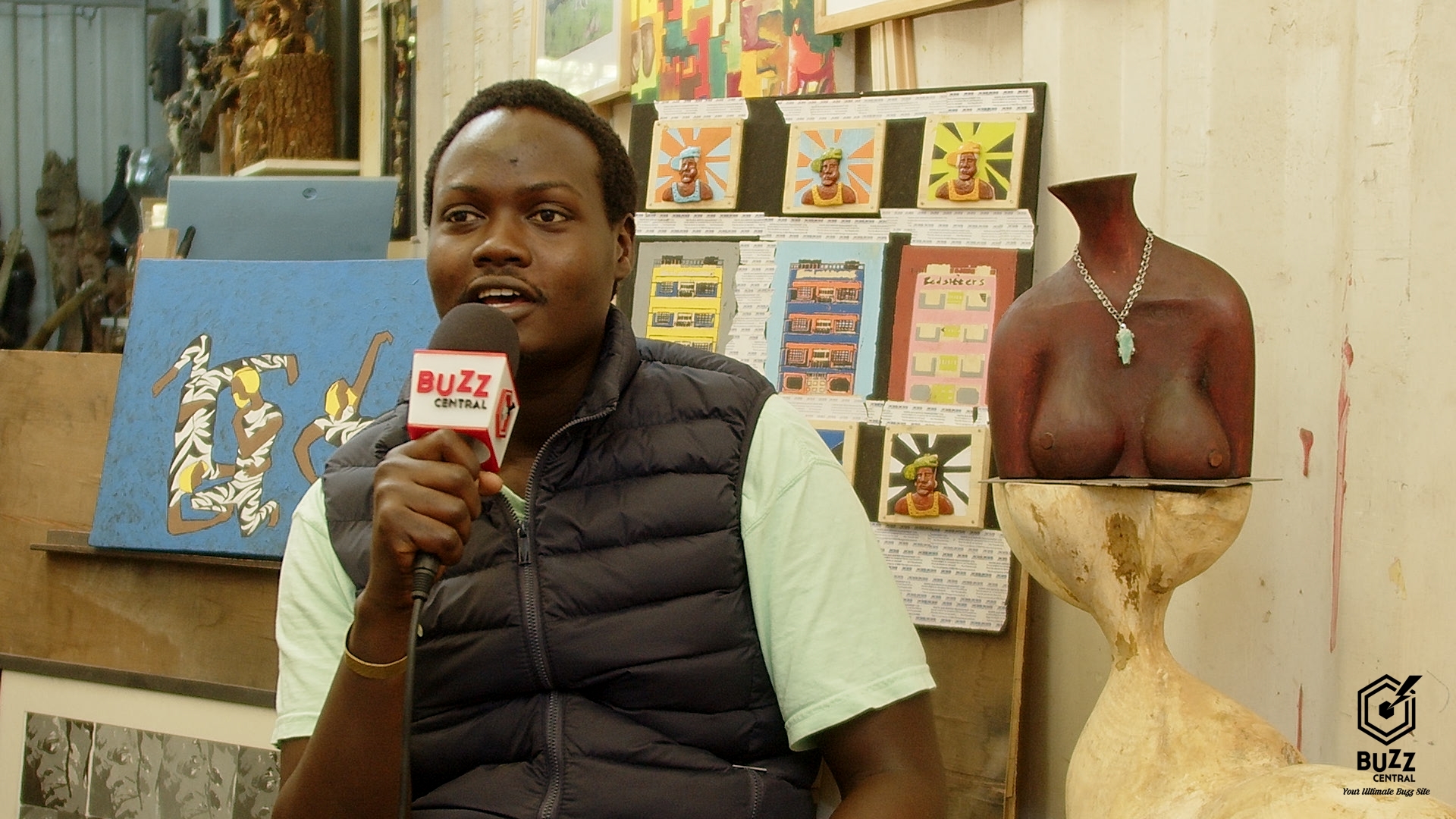
For Kenyan artist Kepha Mosoti, sculpture was not a chosen path but a calling that found him. Now a respected figure in the East African art scene, his journey into the three-dimensional world began with a simple need: to keep his hands busy when he could not afford paints and canvas.
“I can say this is an inborn talent,” Mosoti reflects, tracing his artistic journey back to his primary school days. Encouraged by a teacher who saw his potential, he pursued art through high school and later earned a diploma in painting. Yet, upon entering the professional art world at the Kuona Artists Collective in Nairobi, his direction shifted unexpectedly.
“I was still a painter. I never thought I would be a sculptor,” he says. It was the encouragement of established sculptors, the late Anthony Wanjau and Gakunju Kaigua, that planted the seed. What started as a casual experiment creating small wall hangings and masks during times when art supplies were scarce slowly grew into a passion. “I was just pulled into sculpture. It was like a calling,” Mosoti explains.
The shift was cemented by the art market itself. Clients began to respond more strongly to his sculptures, requesting more commissions for three-dimensional works than for his paintings. “The market dictated what I am doing today. The clients and art lovers made me go in that direction.”
Mosoti’s inspiration comes primarily from people and nature. He observes the fashion, daily activities, and unique characteristics of those around him. He points to a piece featuring dramatic dreadlocks as an example. “In Africa, we have many people putting their dreadlocks as a fashion, some for religious matters. For me, that’s an inspiration. It helps me create what I want and keep a history of what is happening today.”
The focus on human expression gives his work a relatable quality, which has led to commissions from institutions like the Catholic Church, the Nyandarua County Assembly, and the Trade and Development Bank of South Africa. For these projects, clients often come with an idea, and Mosoti interprets it through his distinct style. “They tell me, ‘We want a door, but use your approach.’ It doesn’t change what I do; it just applies my style to their concept.”
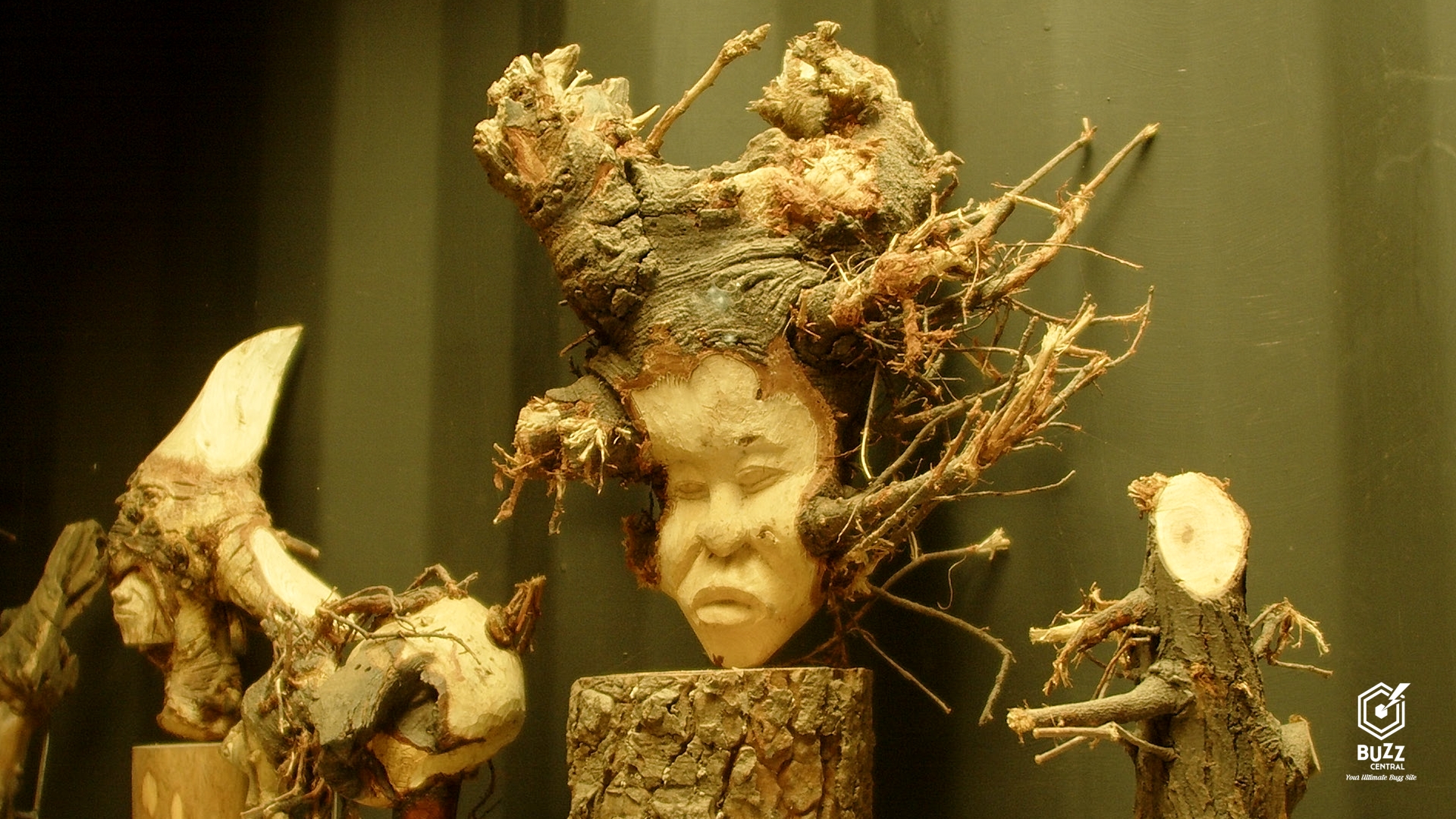
A cornerstone of Mosoti’s philosophy is the importance of community. He credits the Kuona Artist Collective with providing an essential environment for growth. “When you are around other artists, you learn so many things,” he says. “You get criticism and encouragement. That improves your career. It keeps you going.”
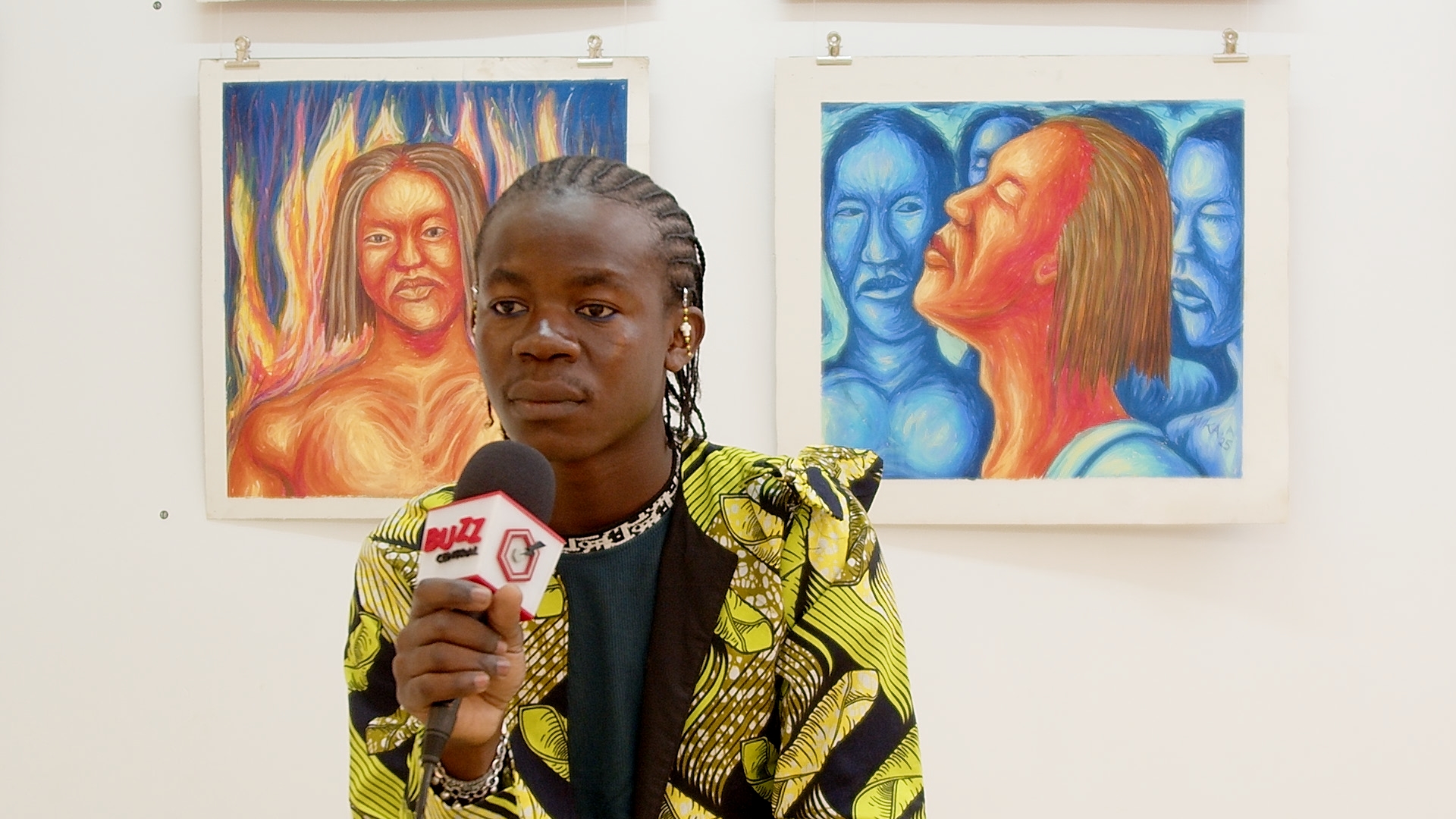
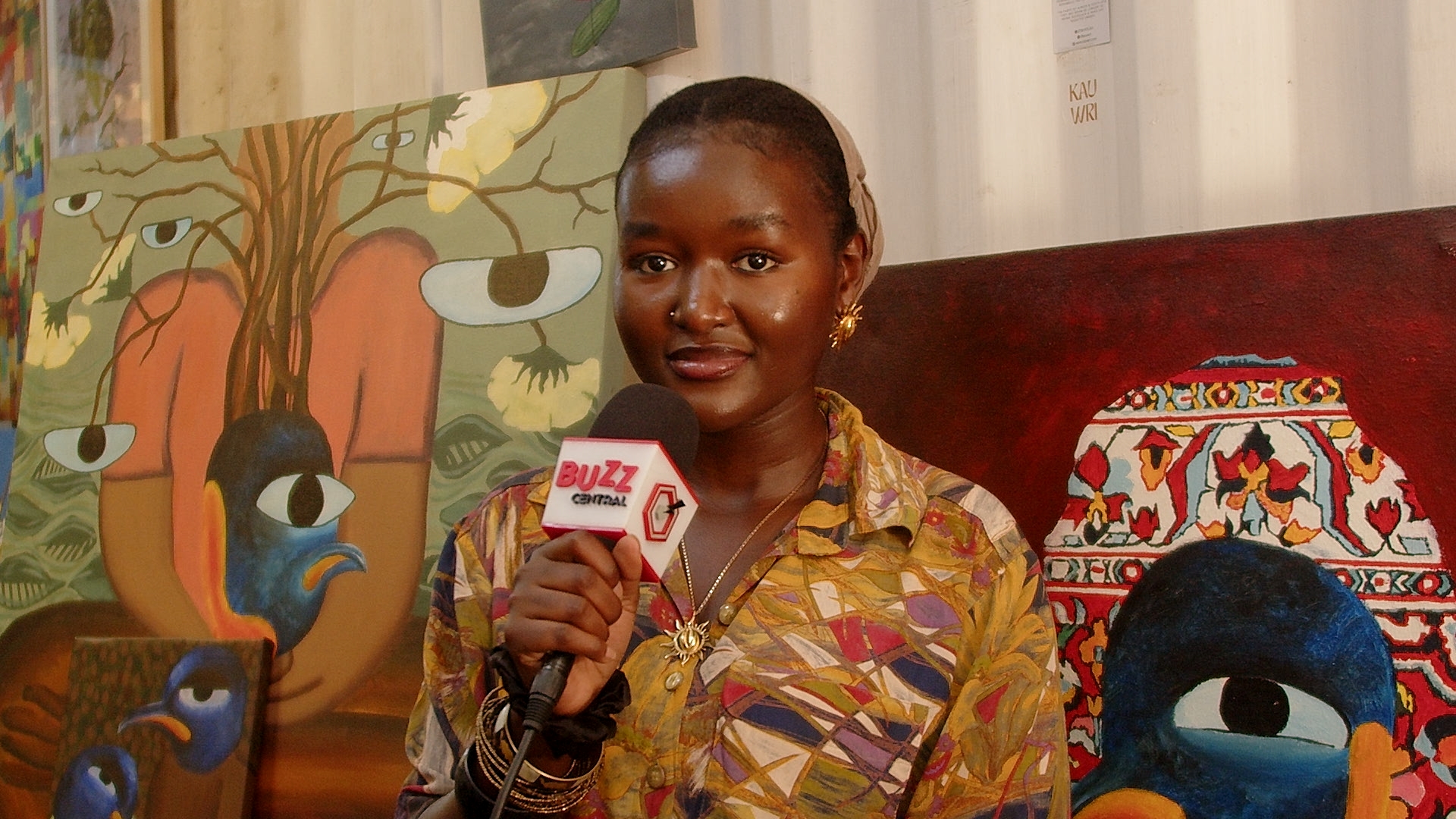
This belief in collective support fuels his dedication to mentoring young artists. Having been guided himself, he feels a responsibility to pass on his knowledge. “This art has to continue. We are not the last ones to do it,” he states. He has mentored several artists who are now professionals, including Andrew Kubet and Edna Akware.
“The success for me is to be able to mentor people and see them practicing professionally. That means my name will be there always; they will carry that skill forward.”
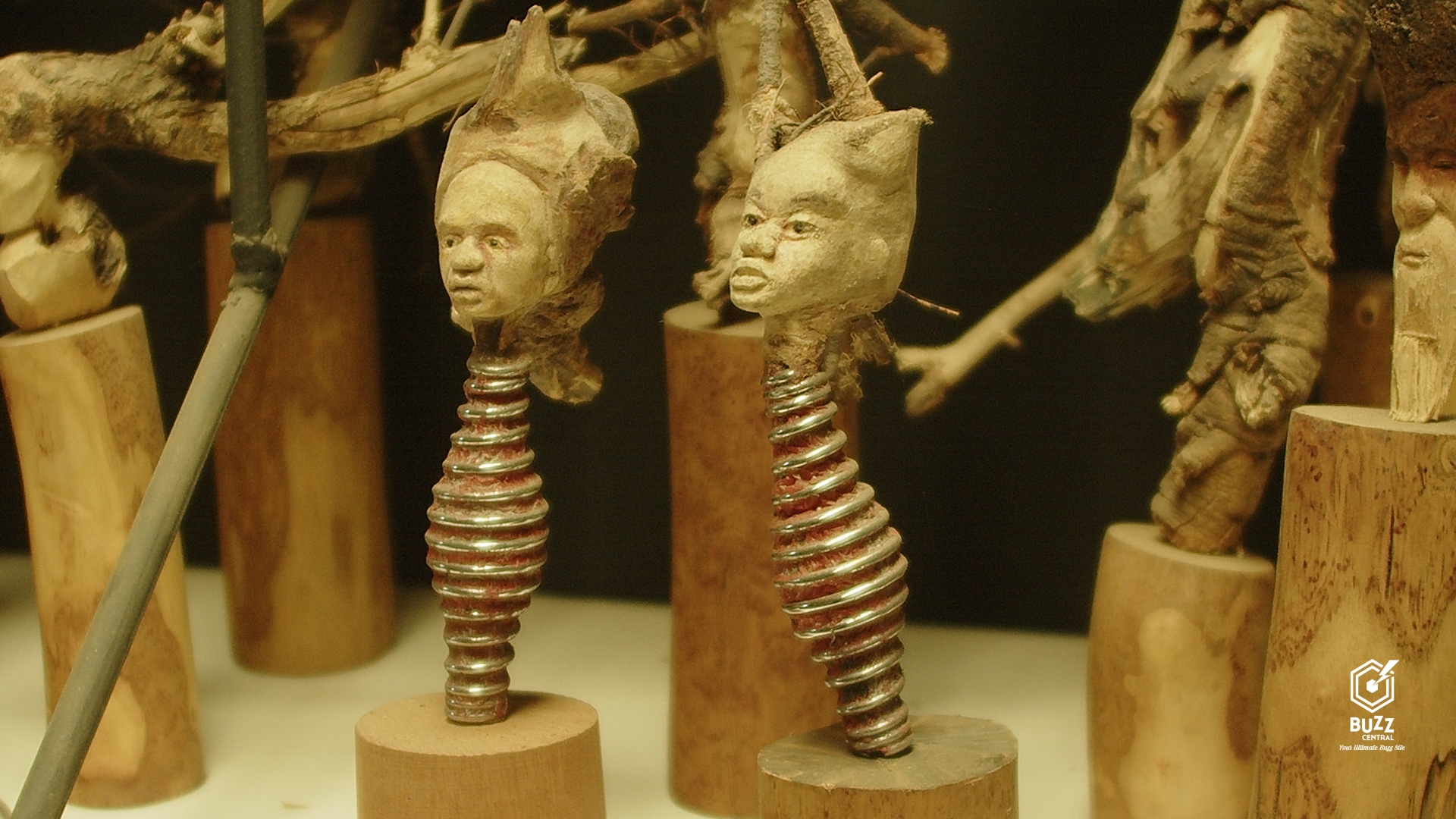
Like many artists, Mosoti says marketing is his greatest challenge. “It has really become difficult for me to find markets for my artworks,” he admits. He highlights a need for more dedicated art managers and curators in Kenya who are patient enough to work with artists as they build their careers.
Mosoti observes the downfall for many artists, which often arises from impatience and a primary focus on financial gain rather than artistic development. He warns that when newcomers see prices at galleries and immediately think of art as a quick path to profit comparing it to a “chapati business” they set themselves up for failure.
“The art world requires deep dedication and patience, as collectors and clients need time to build trust in an artist’s commitment and evolving practice. Without this endurance and a genuine passion for the craft, artists often become discouraged by the slow pace of recognition and ultimately fall away from the scene.”
For him, success is measured not just in sales, but in longevity and impact. “To be around and to be relevant in the art scene for like 20 years, that is a major success,” he says. “Another success is to mentor people and see them practicing as professionals. That makes me feel I am bringing something to society.”
Looking ahead, Mosoti dreams of creating a mega-space that would serve as both a personal gallery and a hub for the next generation. “I want a mega workshop where I can bring young artists to work, with all the tools and materials they need,” he shares. He envisions a place that is part museum for his own work and part incubator for new talent a lasting platform to ensure the art he loves continues to flourish.
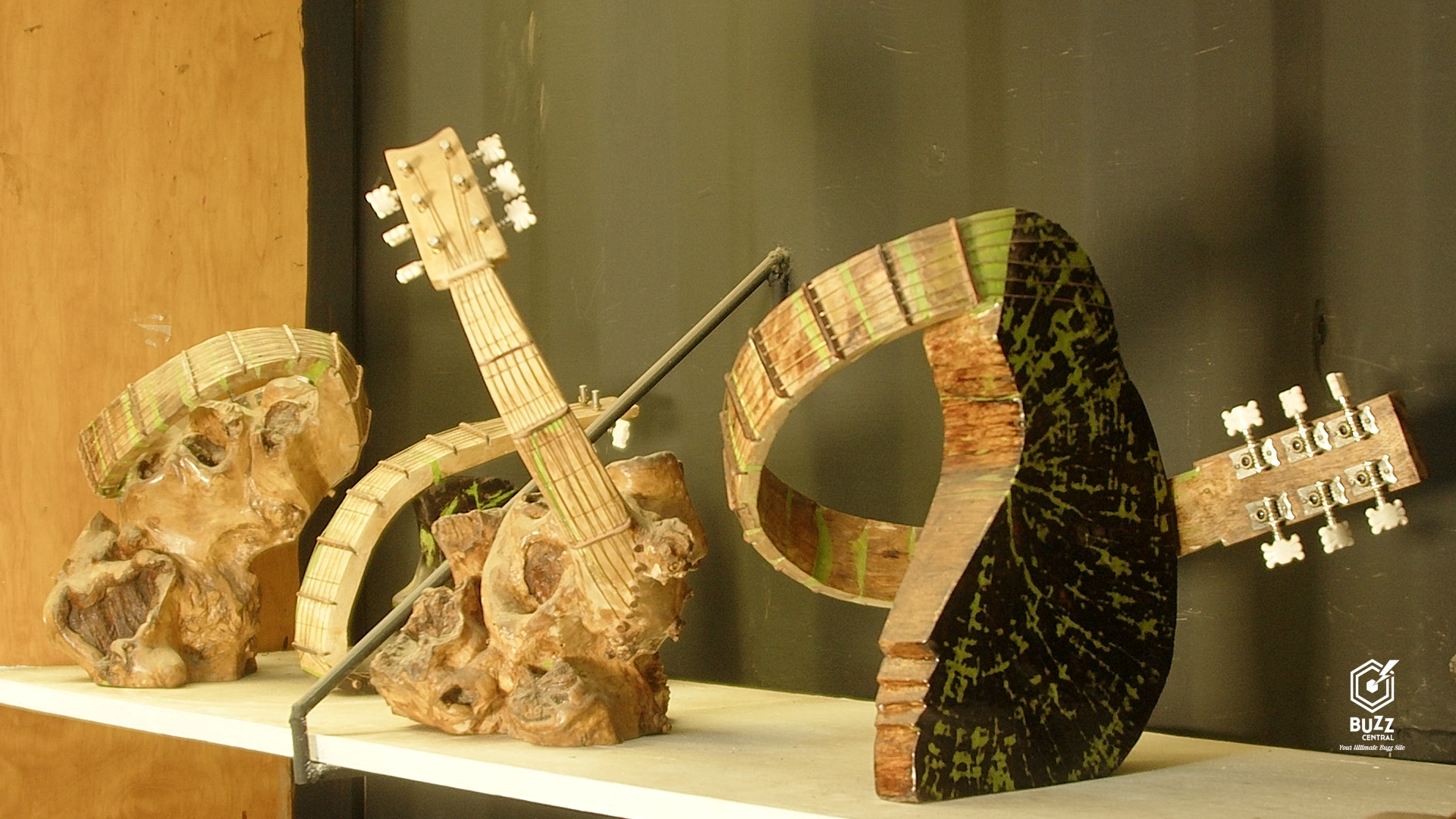
“Sculpture is very diverse. You have wood, resin, metal… so many materials to experiment with,” he says, his voice bright with enthusiasm. “That is the advantage. That is why I stick with it.”