Art Scene
HOW GRAFFITI ARTIST NAYIANOI SITONIK USES ART TO EMPOWER COMMUNITIES
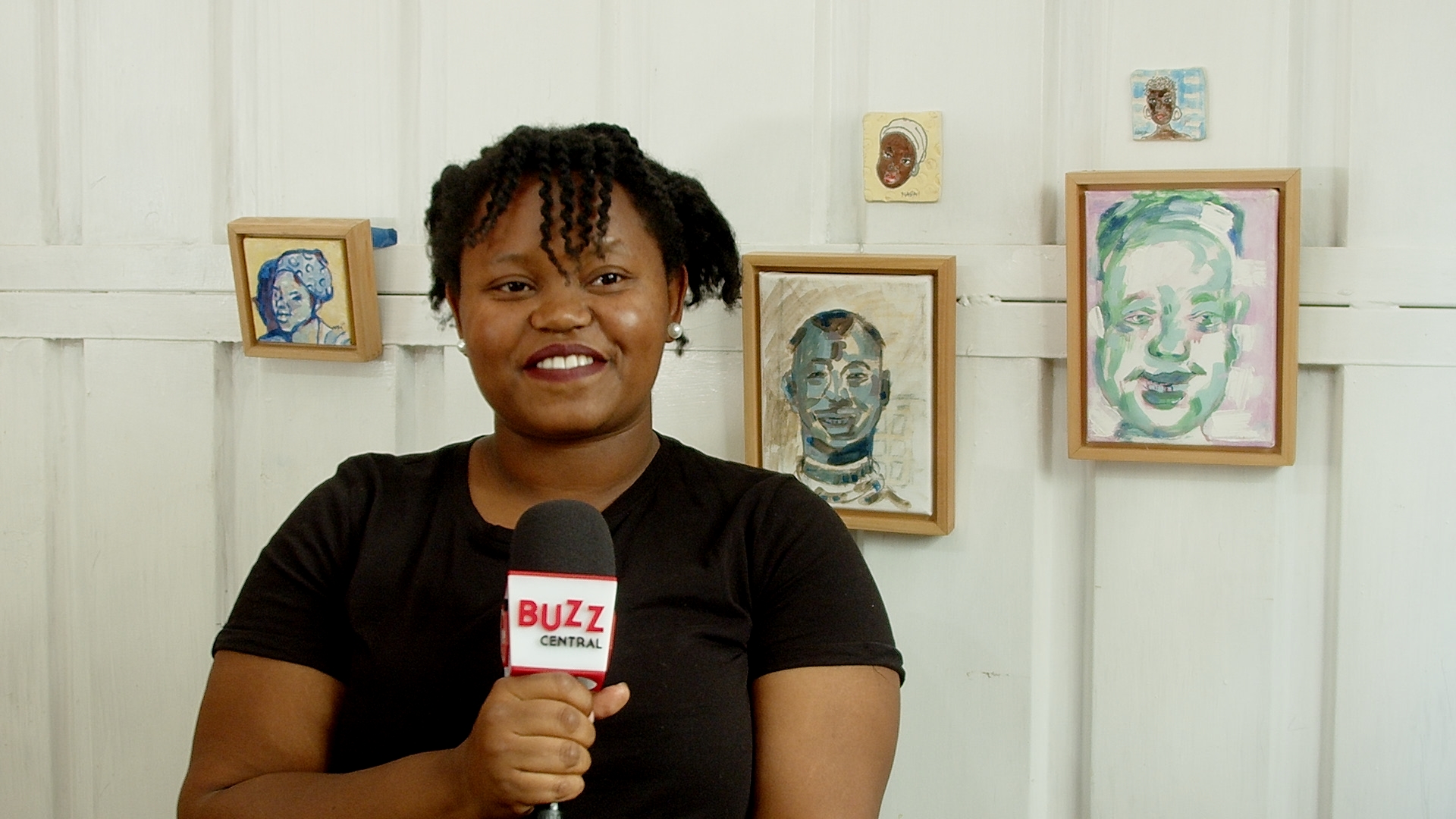
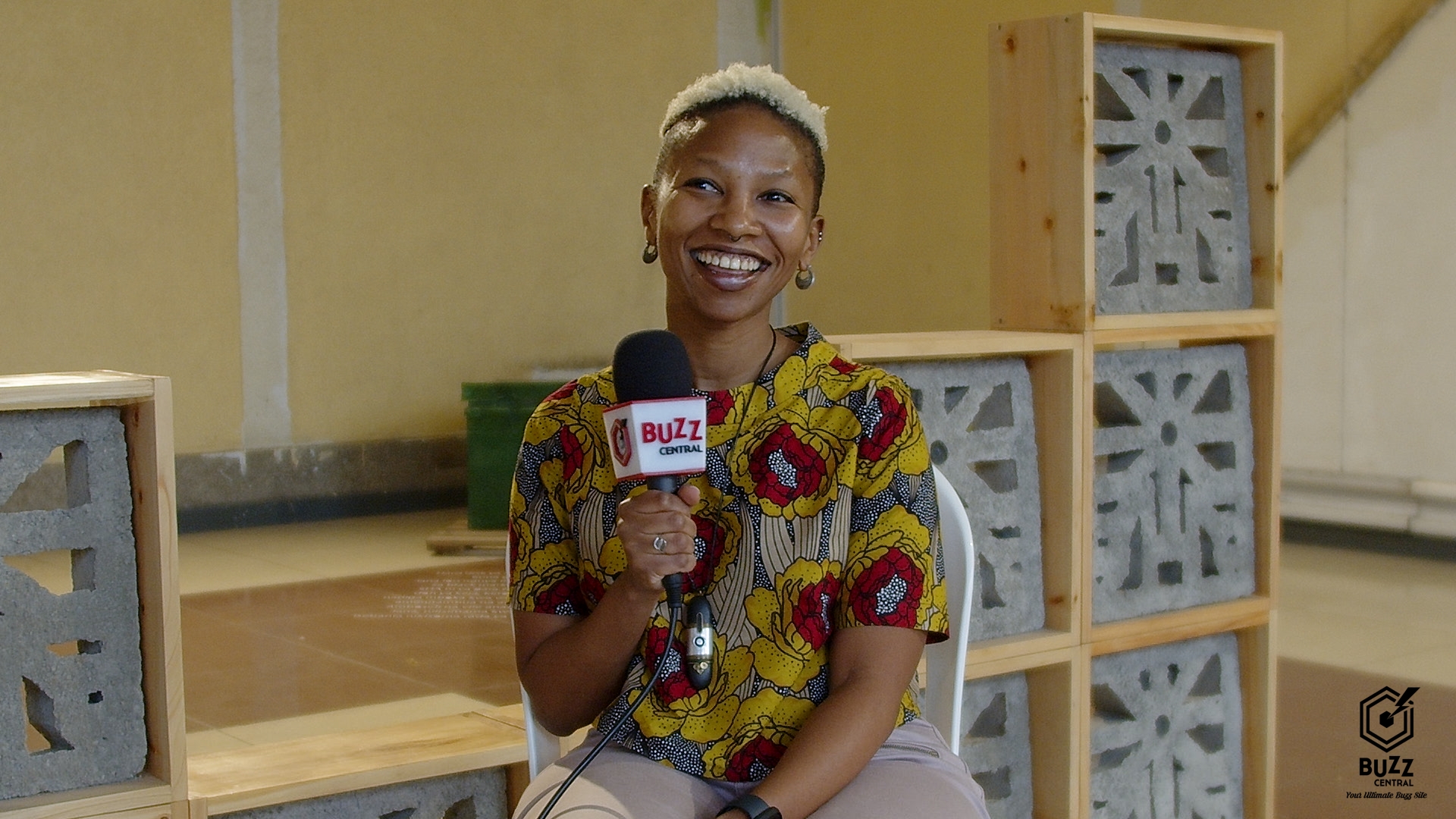
The creative space of Nayianoi Sitonik is a testament to a mind that refuses to be confined. In one corner, a mosaic of coloured glass pieces catches the light. In another, canvases lean against walls, their surfaces alive with bold forms. This is the domain of an “all-round artist,” a visual and graffiti artist for whom the world itself is both muse and material.
“My inspiration comes from life itself,” Sitonik explains, her gaze thoughtful. “Experiences, places, the people I meet. Generally, my inspiration comes from the environment around me, the time around me and the people around me.”
This connection to the pulse of daily life dictates the rhythm of her work. There is no single routine. Some days are for glass, where she prepares molds and melts down recycled beer and drink bottles, their variety providing a palette of colours.
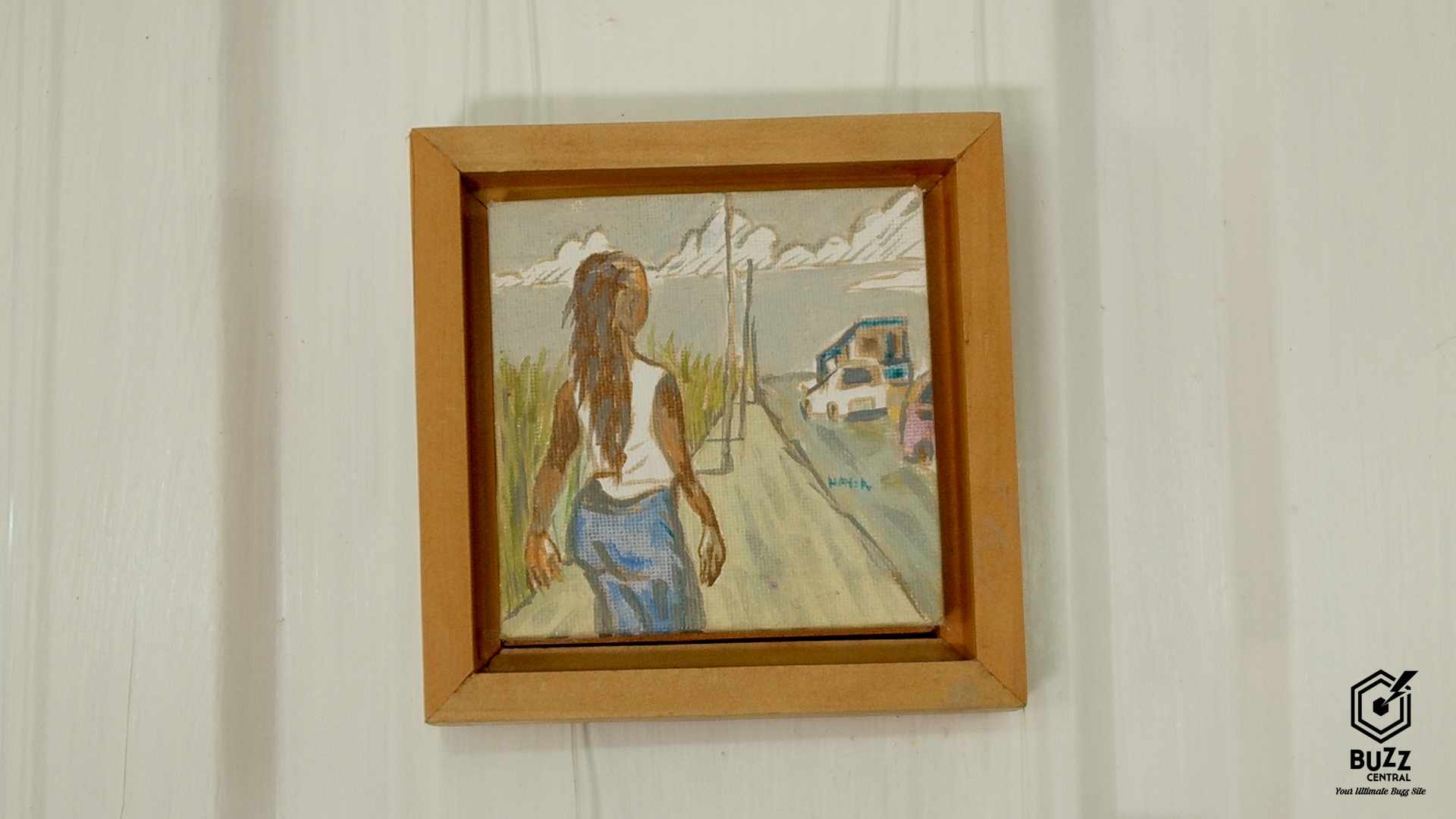
Other days are for painting, where the process begins long before a brush touches the canvas. “The creative process doesn’t start from when you hold the brush,” she says. “It actually starts from the thought process. You might have thought about a piece for months and even years, and then finally you get to execute it.”
This thoughtful execution applies across all her chosen mediums. Yet, whether she is working in paint, clay, or glass, a consistent theme emerges. “The theme always, always talks about humanity,” Sitonik states. “Through my work, I get to translate people’s feelings, people’s hopes, people’s beliefs, when they win and when they lose. It’s an essence of being human, and it applies to everybody across all nations, all borders, all races.”
Her artistic journey began, and continues, through informal mentorship. “I got to meet people who knew different things, and I was mentored by countless people,” she recalls. Having practiced for over a decade, she now sees it as her responsibility to guide others. “I really don’t mind mentoring people younger than me who are keen and interested in this field.”
The advice she passes on is earned through experience. “Don’t stop, don’t settle. And be resilient,” she says. “You have to be fierce about what you want, so fierce that you have to do it eventually. It’s a do or die situation. You can rest, but there’s no stopping.”
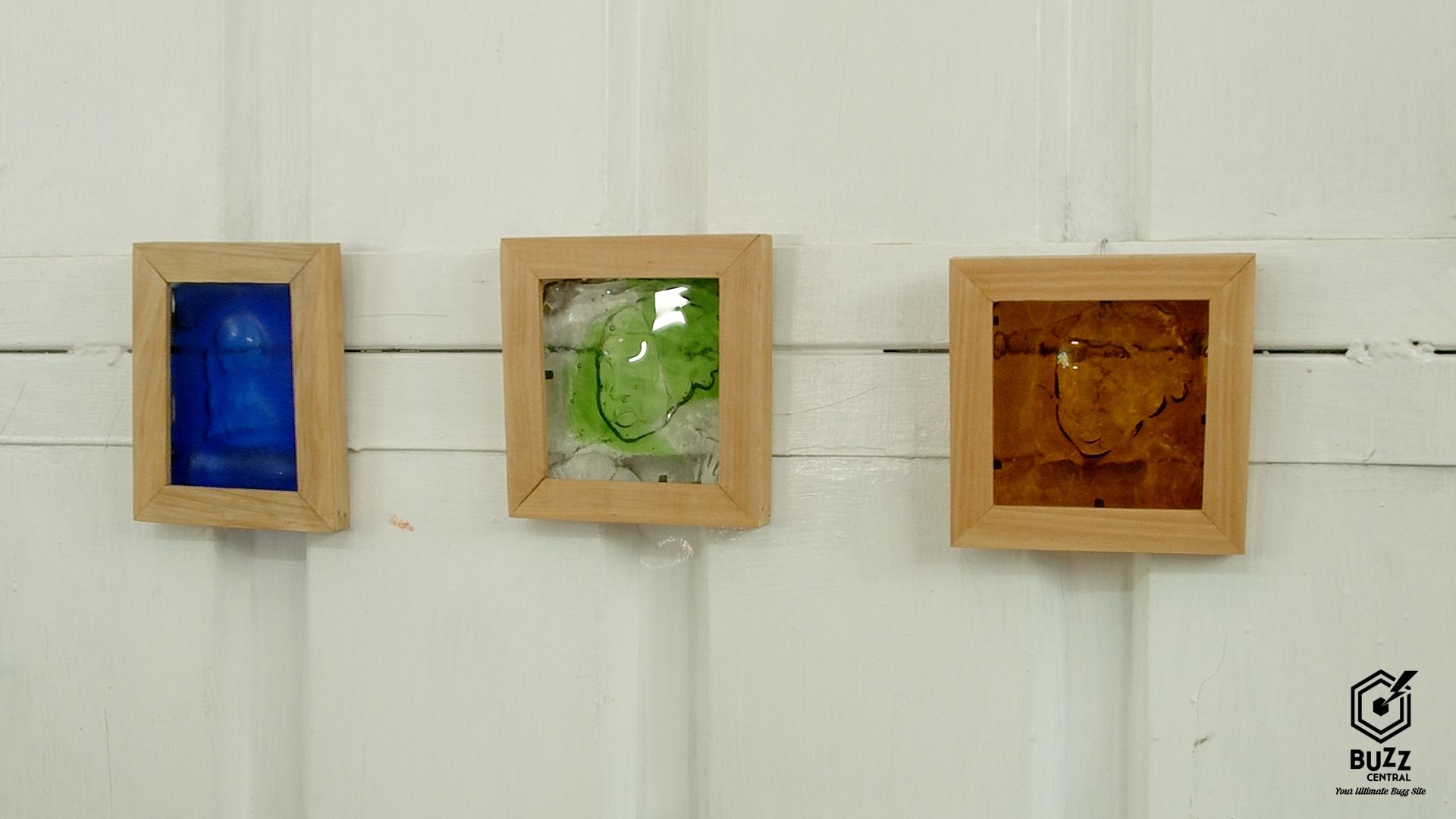
This resilient spirit extends to her community work. She has partnered with NGOs, schools, and individuals, most recently repainting a local school in Ngong. “It’s important for me, because I like to give back,” she notes. “I like to educate the community about things they don’t know. Until just recently, art was not being taught in schools. So even deep inside some counties, children don’t know what art is.”
Her graffiti art is similarly community-focused. She is quick to clarify that she practices “legal graffiti,” revamping kiosks, garages, and community walls. “It’s one way of expressing yourself,” she says, observing a positive shift in the field. “In the past, it was only male dominated, but now women are coming up. I am for that movement.”
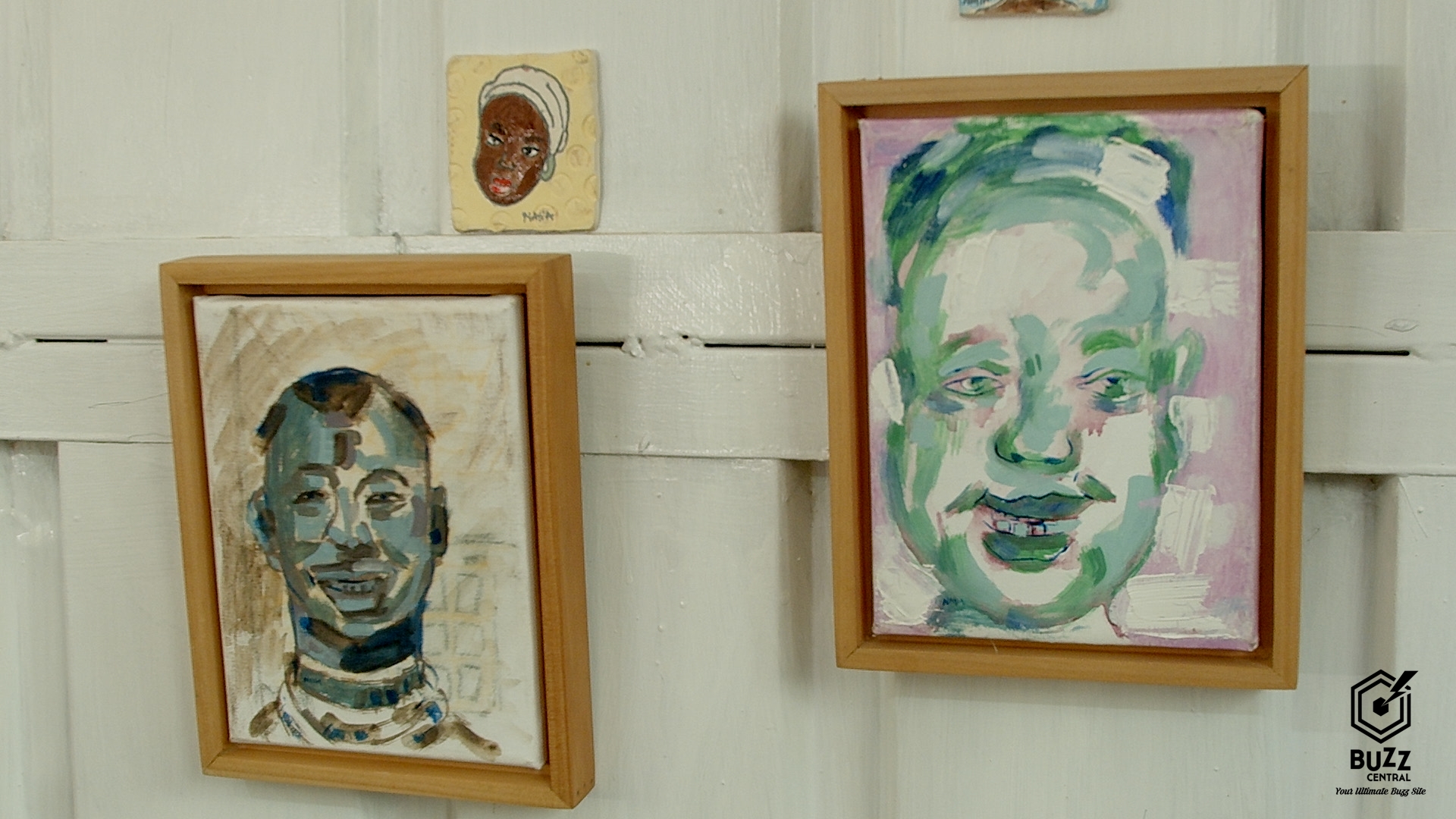
Sitonik’s work has found homes in private collections and public galleries from Kenya and across Europe to the Hawk Eye Gallery in Australia. Yet, she remains her own primary advocate, managing every step from creation to sale. “I’m the creator, producer and seller of my work,” she says with a hint of weariness but also pride.
When someone collects her art, she has a simple hope. “I want them to experience whatever feelings they have. If I created a piece about a windy day and you see it and you feel warm, and that relates with you, well and good. Even if it’s not such a nice way they feel about it, it makes them feel something. And that’s good.”
Looking forward, her ambition is not for fame, but for collective creation. Her dream is a grand collaboration: a festival where artists from different countries and counties work on one long wall. “We get to create. We get to talk and interact,” she envisions. “That would be my dream, ideally, to work with different artists on one project.“