
Trending News
ELIUD KIPCHOGE ON WHY KALENJIN CULTURE LOOKS DOWN ON CHILDREN RAISED BY SINGLE MOTHERS
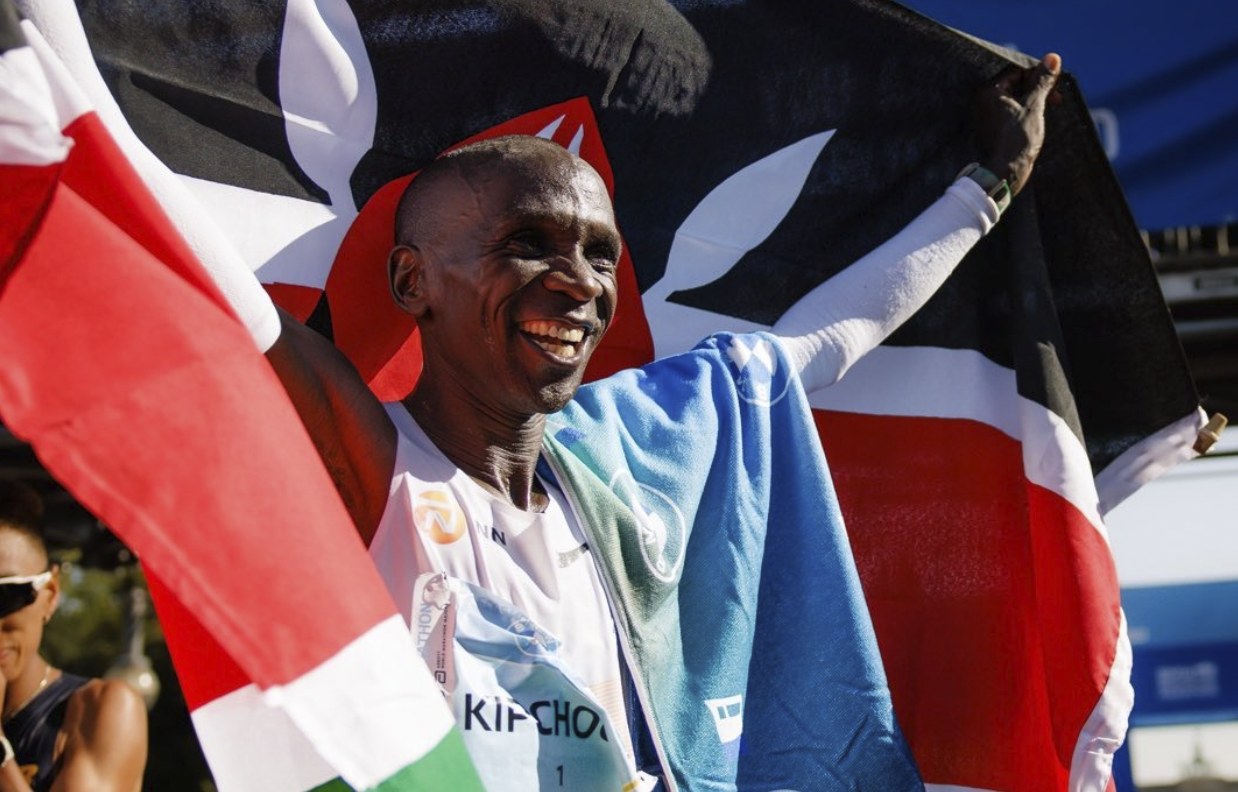
Olympic champion Eliud Kipchoge has talked about the cultural prejudices he faced growing up as a child raised by a single mother in Nandi, and how that struggle forged the champion the world admires today.
The long-distance legend, often hailed as the greatest marathoner of all time, peeled back the layers of his iconic status to discuss a painful aspect of his childhood: the Kalenjin cultural tradition that, he says, looks down on boys raised by women.
“I was born over 40 years ago in a small village in Nandi. I was taken care of by one parent, my mother,” Kipchoge began. “Kalenjin culture don’t respect anybody taken care of by a woman. Even a young man who has been taken care of by a woman.”
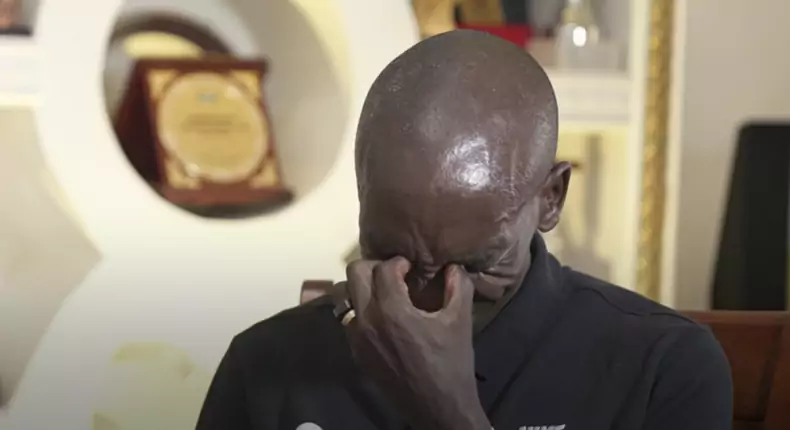
Kipchoge explained that the stigma runs deep, affecting leadership opportunities, and even marriage prospects. “They don’t even think of giving them a leadership role. They openly say they don’t think that the daughters raised by single mothers can get married because they think women cannot take care of anybody in this world. That’s our culture.”
Despite these societal barriers, Kipchoge’s story is one of triumph against the odds, anchored by the strength and sacrifice of his mother. A nursery teacher earning a modest income, she did whatever it took to keep her children fed.
“When I was in school, my mother retired, and I am happy that I did not lack school fees, but my mother used to actually feed us with money from alcohol,” he revealed.
Though she did not drink, but would earn a living by testing the potency of traditional brew changaa by pouring it into a fire to check the flame. Before his running career took off, Kipchoge took a humble job to save for his first running equipment.
“I was employed for six months to collect milk in the village, earning only one shilling per litre, but I was happy because I was given free breakfast, and that’s why I worked for six months.“
His entry into athletics began in the early 2000s. A near-miss in the Energizer cross country series in 2002, where he lost a jackpot of 1 million shillings, proved to be a pivotal moment. “I think that was a blessing, because if I got a million, maybe I could not be here,” he reflected.
The following year, he won the series, taking home Sh 300,000. It was a financial boost, but more importantly, it was a social turning point. “You know that boy, he was actually taken care of by the mother, starts to receive just a small respect from the community,” Kipchoge noted. In 2003, he won his first world title, setting the stage for a legendary career that has since earned him global adoration.