
Art Scene
ARTIST MIKA OBANDA REBUILDS AFTER SLUM FIRE CONSUMES FIVE YEARS OF WORK
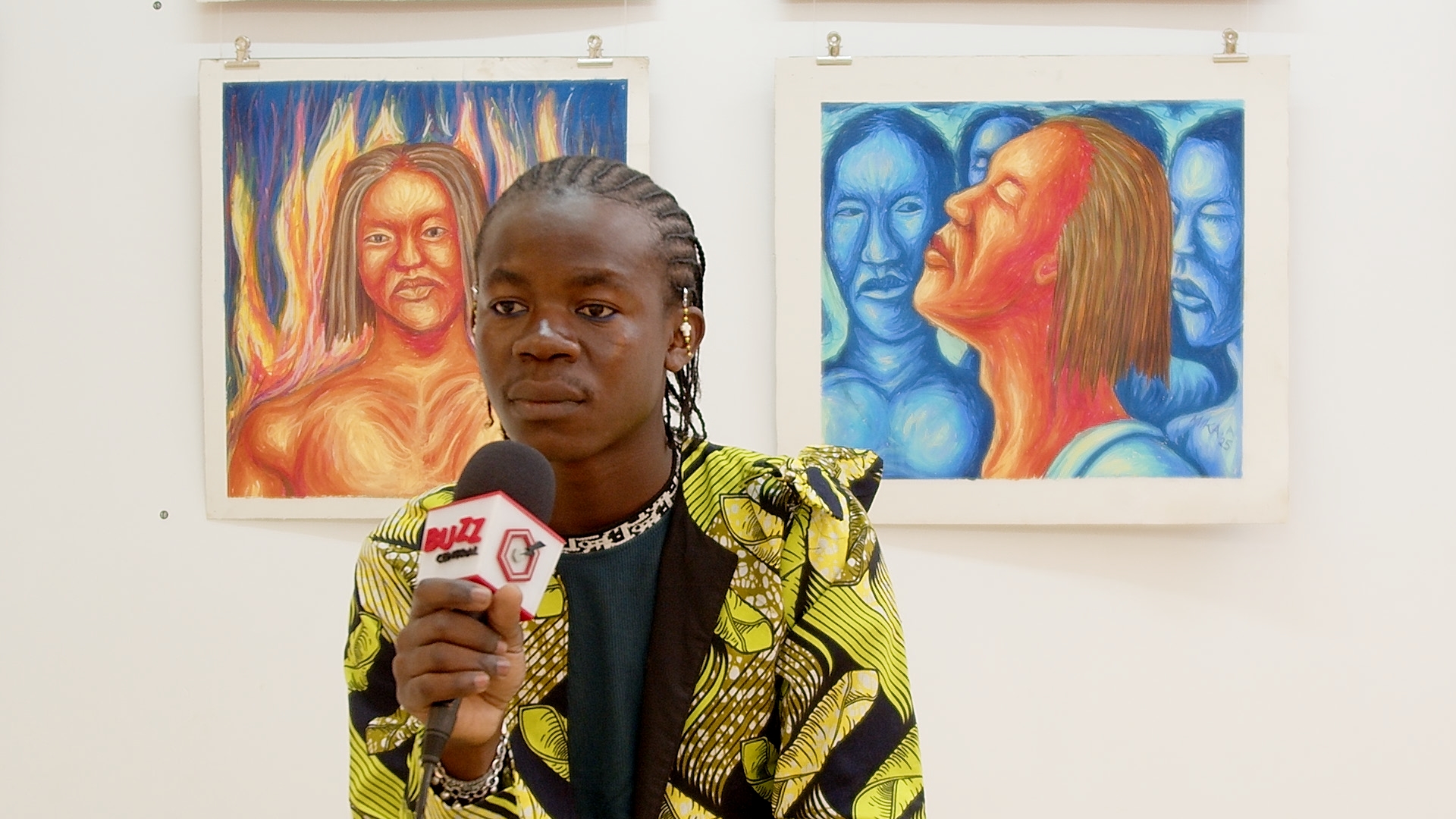
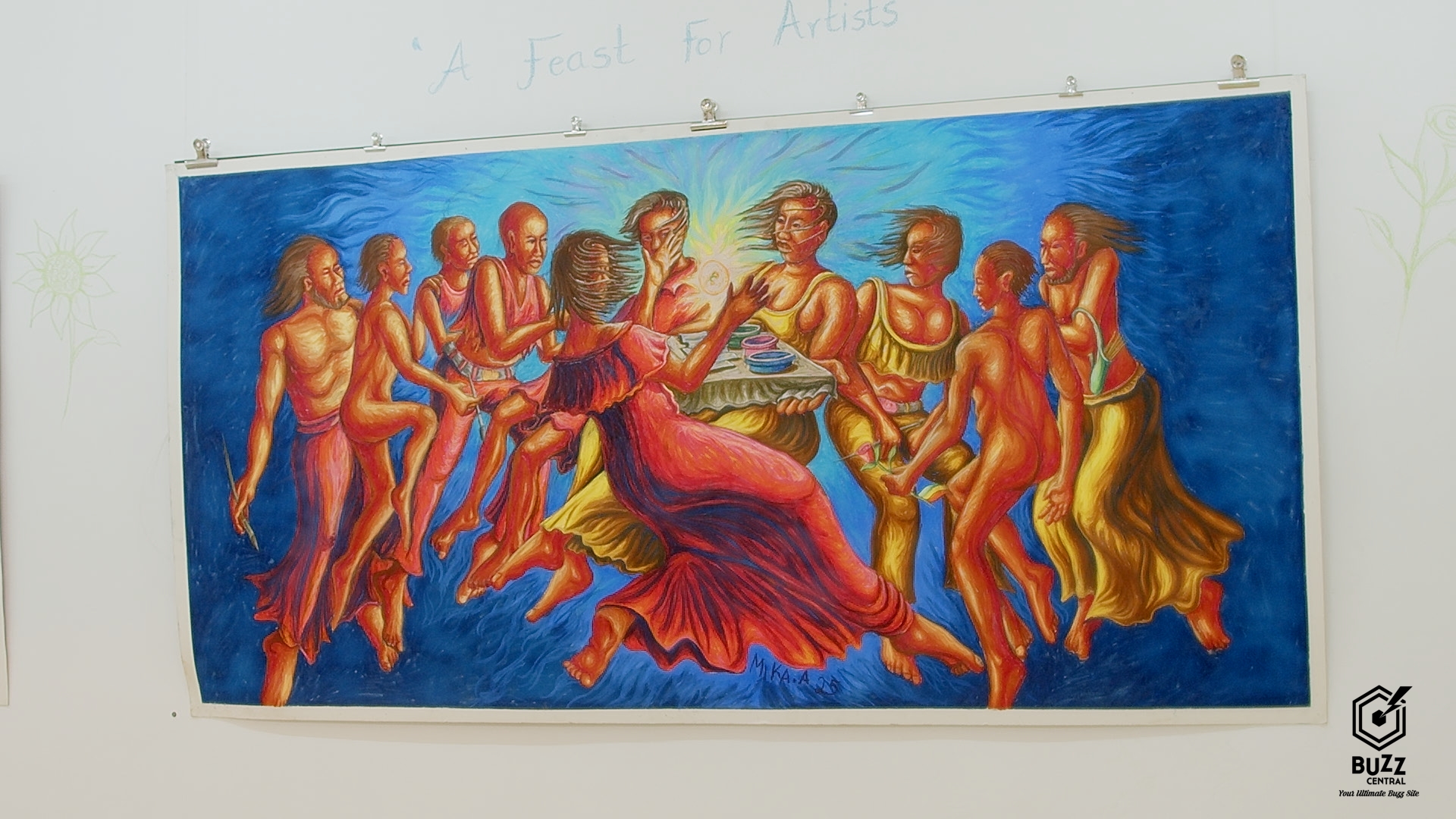
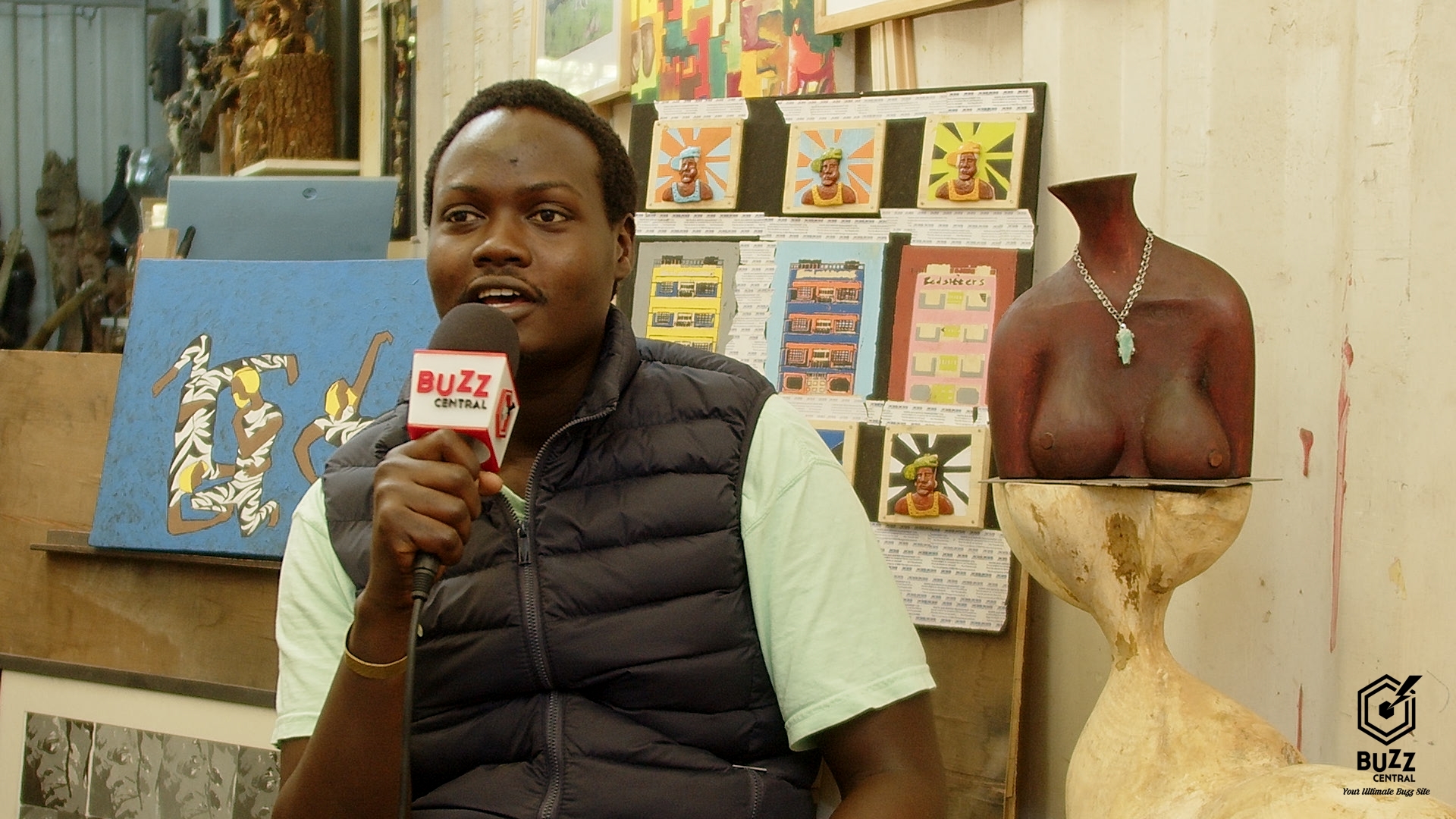
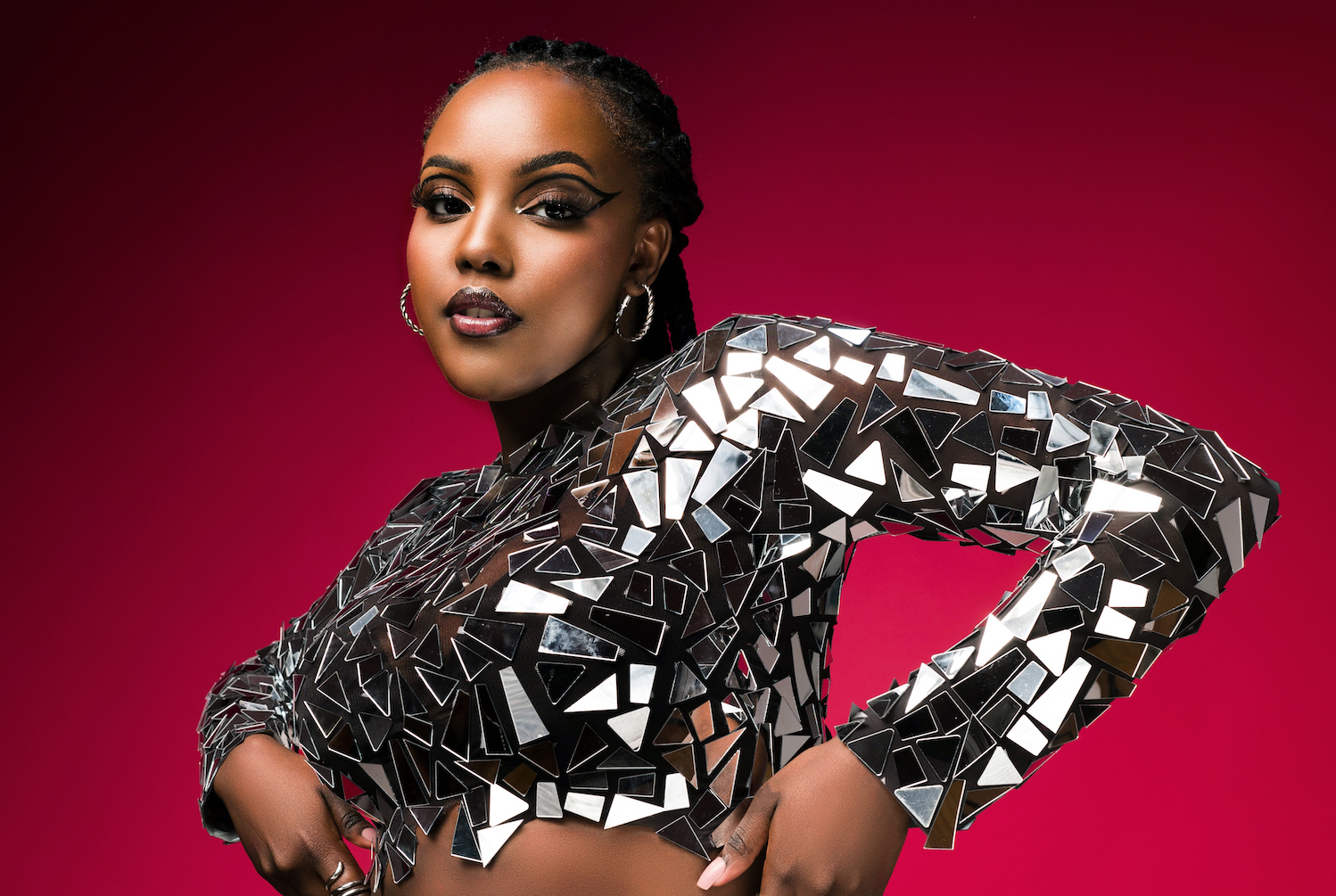
In a studio in HOF Gallery in Kibera, queer artist Mika Obanda who uses they/them pronouns is rebuilding. Five years of work, paintings, sketches and delicate mosaics were lost in a fire in June 2025. But for Obanda, art has always been about recovery and expression. “My work is a translation of how I experience my life,” they explain. “It’s my diary.”
Obanda’s journey into art began in the Mukuru Kwa Reuben slums, where they grew up. Their father left when they were in primary school, and life with their mother became the foundation of their creativity. “Growing up with my mom has been a very impactful thing in my life,” Obanda says. “I use it as a form of expression.”
This expression took shape early. Inspired by an older sister who loved drawing, Obanda found solace in art, especially during difficult times. In secondary school, they faced suspension due to drug use. “I was kicked out of school because of bang [marijuana],” they recall. It was a low point, but staying with their sister marked a turning point. “She encouraged me to do art. That was a very life-changing part of me.”
Returning to school, Obanda faced further challenges. An art teacher, wary of their past, refused to let them into the art class. Undeterred, Obanda learned by watching through the window. It was there they discovered eggshell mosaic, a medium that would become central to their early work. “I would go to the Ngong River, collect eggshells, and start making mosaic artworks,” they say.
Obanda’s persistence paid off. In 2019, they exhibited and sold their first piece for Sh3,000. Since then, their career has blossomed, with exhibitions at spaces like the One Off Contemporary Art Gallery and the Wajukuu Artists Collective.
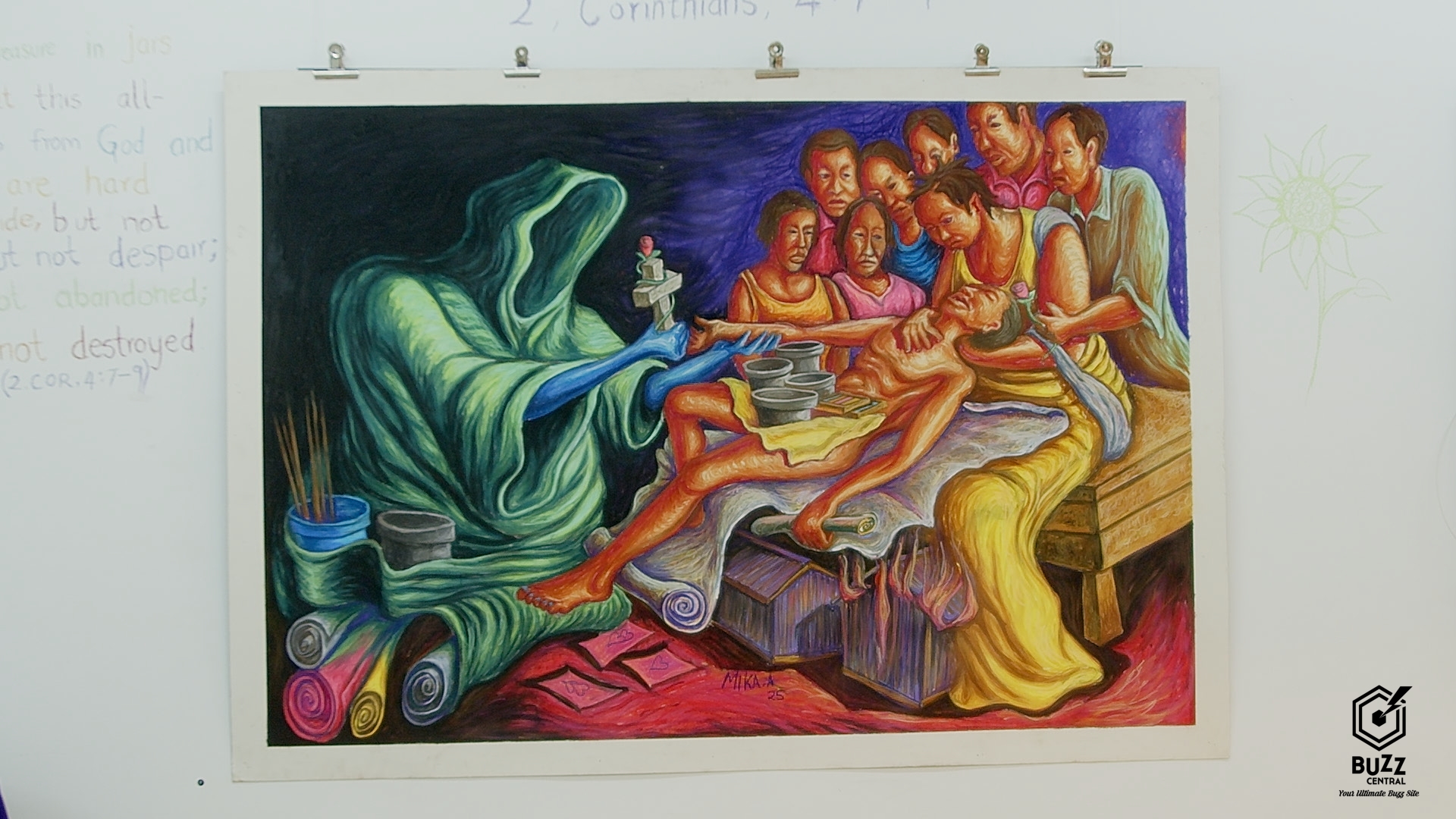
Their work is personal, often addressing themes of identity, family and social justice. A 2024 exhibition, The Commentary, focused on femicide and toxic masculinity, inspired by their mother’s experiences. “Why is it that when I express my femininity, you get mad?” they ask. “The body of work was to bring attention to who we are and that it’s beautiful as it is.”
Their identity is an evolving journey. Obanda describes themself as non-binary, rejecting rigid boxes. “I am just a human who is alive,” they say. “By being alive, I’m expressing myself.” This freedom is reflected in their artistic practice, which shifts between mediums from eggshells to charcoal to pastels depending on what feels right.
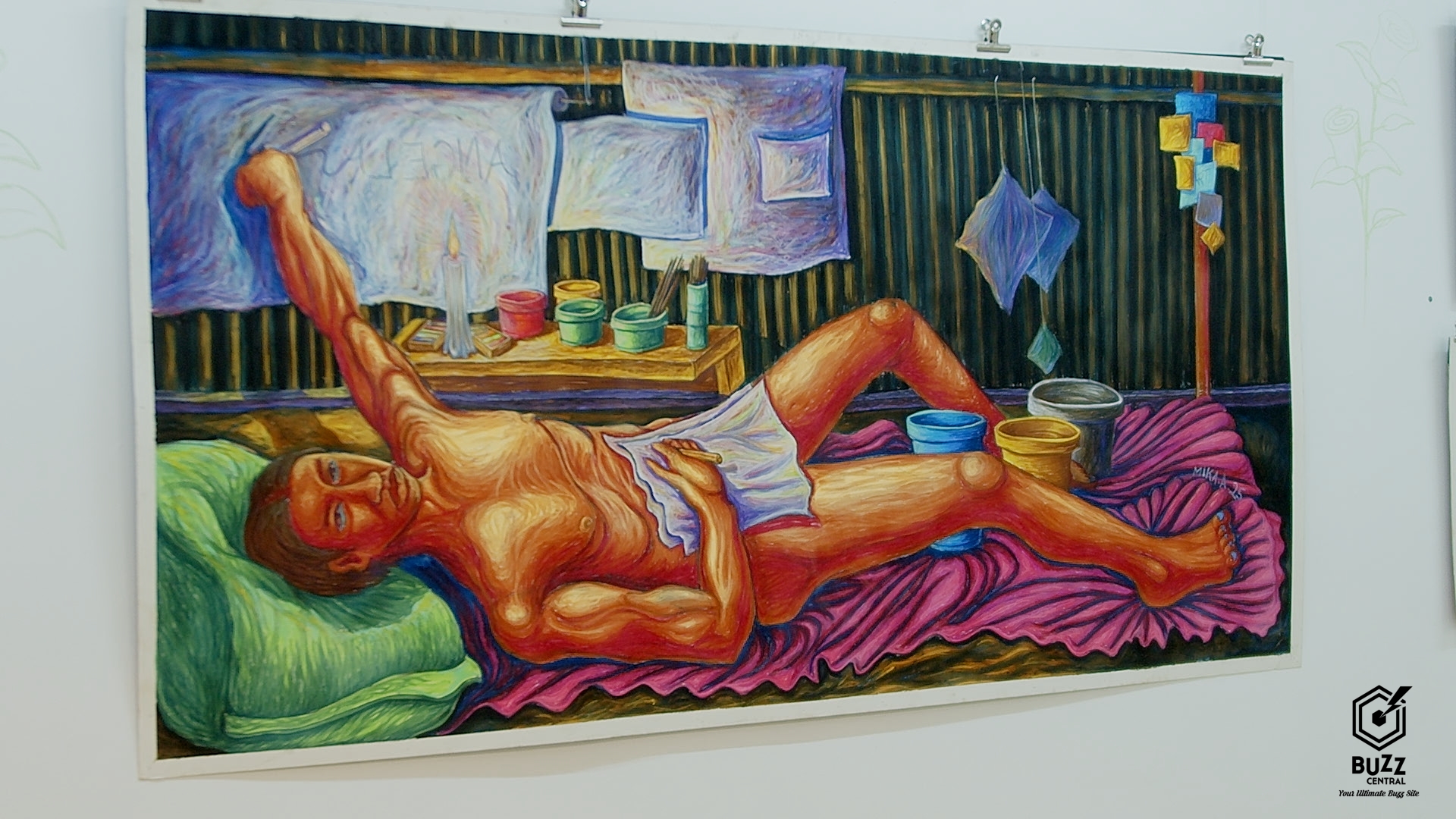
“I don’t like putting myself in boxes, I feel like if I say I am man, there is a lot of expectation there. I say I am a woman. There’s also a lot of expectation of how my woman’s supposed to behave.” they explain. “The same way I wear different kinds of shoes, I use different mediums.”
The fire in June was a devastating blow, destroying a year’s work for their latest exhibition, Ministry of Discovery. Yet, with support from the arts community and a residency at the Kibera Art District, Obanda created 26 new pieces in just three weeks. “It’s a constant journey of understanding,” they say. “But I keep working towards where I think I’m heading.”
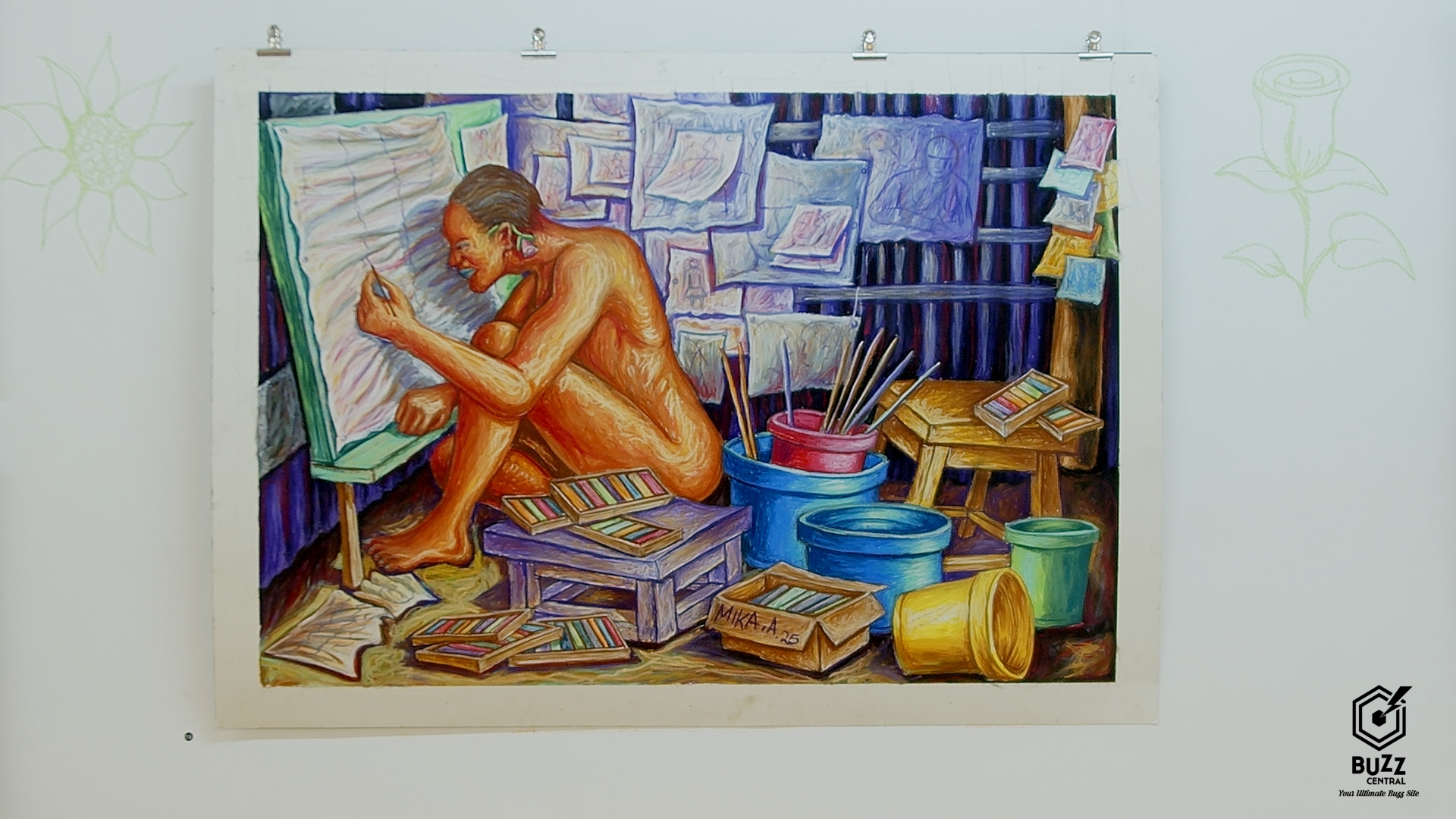
Mika drew inspiration from a diverse group of figures known for their dedication to their craft, even in the face of great pressure. Obanda looked to the spiritual conviction of Jesus Christ, the revolutionary music of Bob Marley, the artistic legacy of Fela Kuti, the gospel ministry of Christina Shusho and the late gospel singer Angela Chibalonza. “I researched how they maintained their craft,” Obanda explains.
“As much as they would be pushed back and told they couldn’t do it anymore they still woke up and poured into their work.” The study helped Obanda understand the commitment required to be an artist to continue creating.
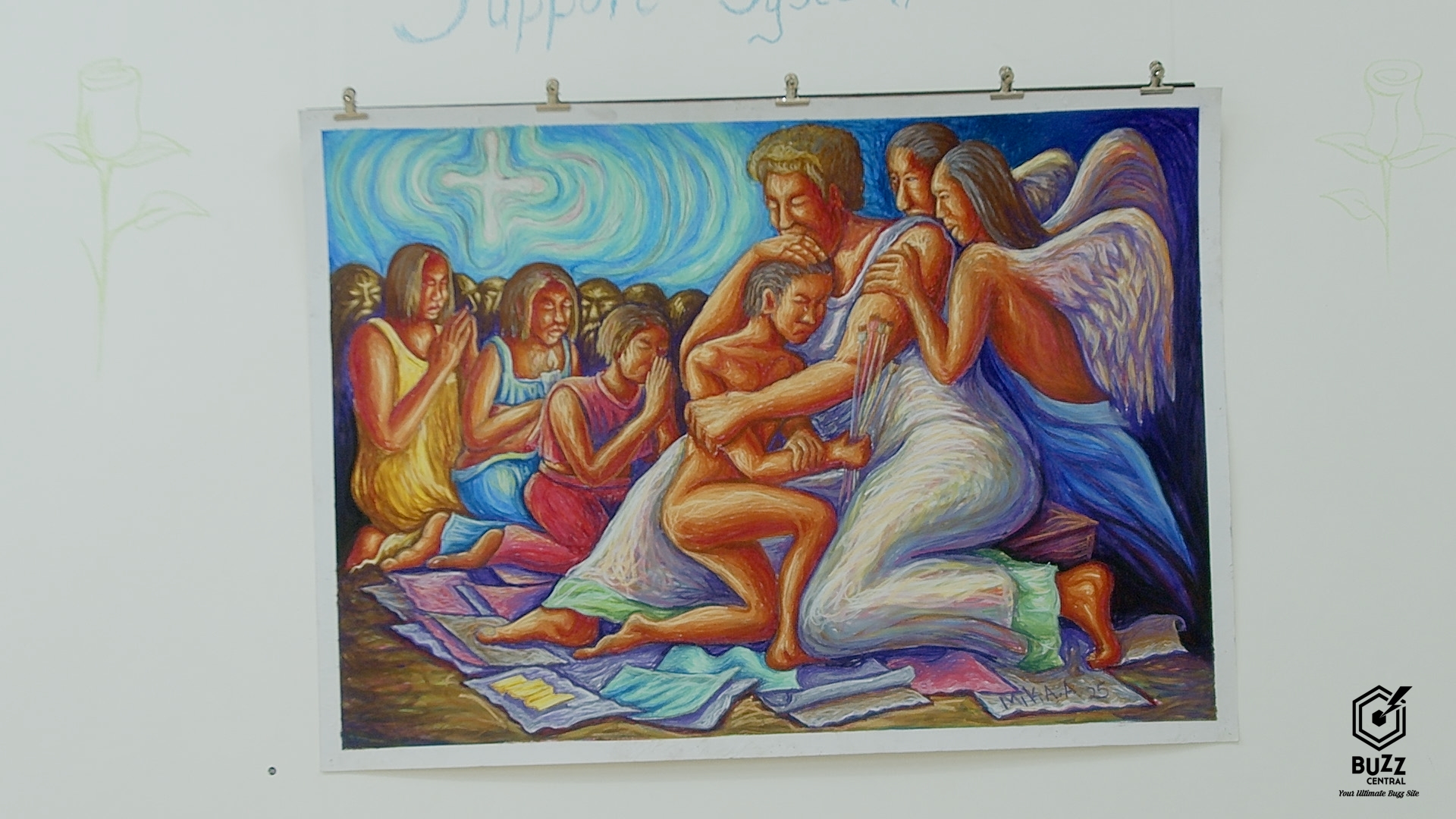
For Obanda, the most rewarding part of being an artist is the growth and connection it brings. “I’ve had to discover myself,” they reflect. “The person I am right now is not the same person I was five years ago.” Their work has been featured on BBC Africa, a milestone they once only dreamed of.
Obanda hopes to use art to build genuine connections. “I want to bring people together,” they say. “In our diversity, as who we are.” For an artist whose work is rooted in personal truth, this vision feels both natural and necessary. As they put it: “Just be yourself, and you find someone who connects to what you’ve done.”