
Trending News
OSCARS BAN AI-GENERATED ACTORS AND SCRIPTS
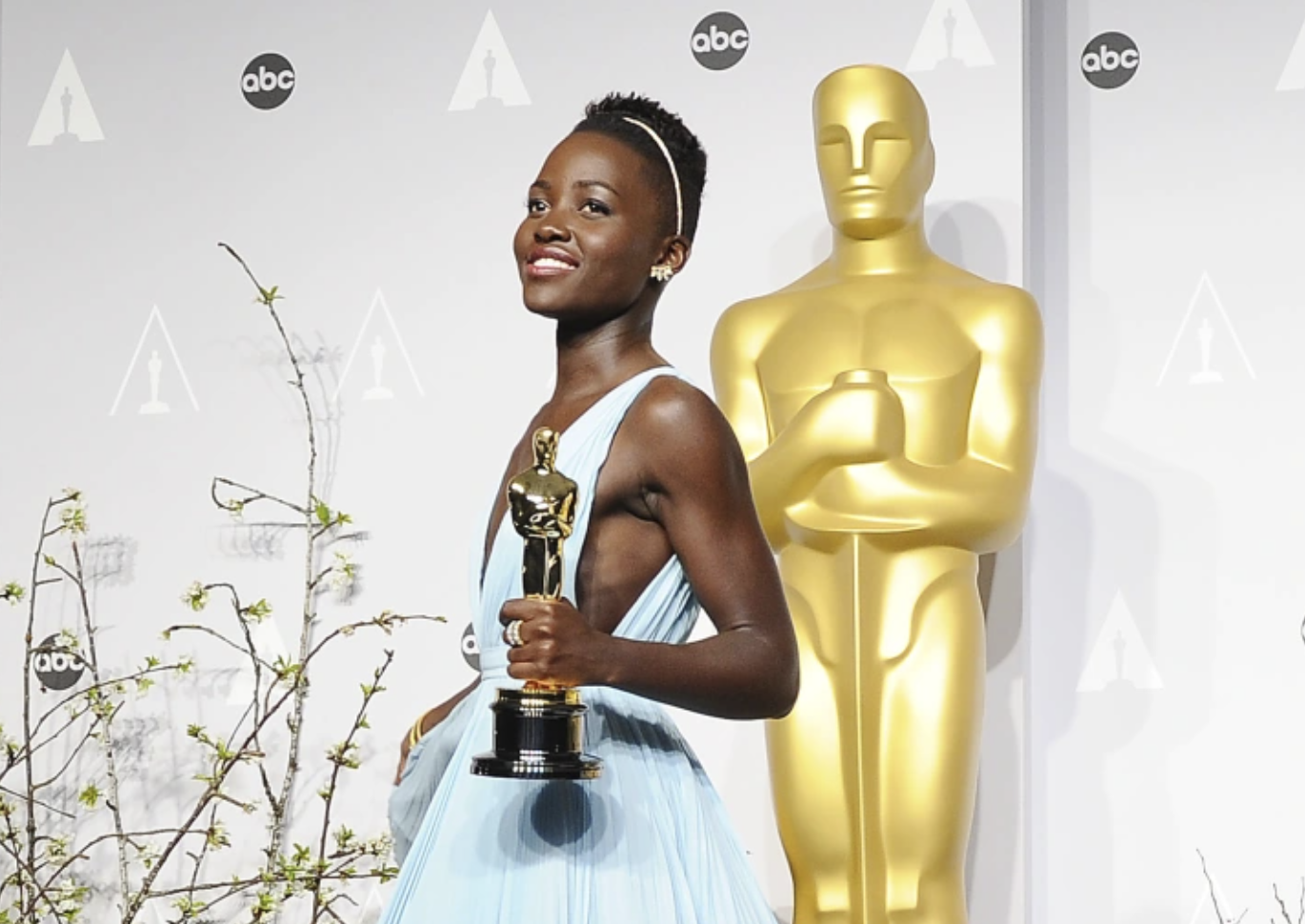
The Academy of Motion Picture Arts and Sciences has officially ruled that only performances and screenplays created by humans will qualify for Oscar nominations. As artificial intelligence technology continues to advance, the organisation behind cinema’s most coveted honour issued updated eligibility guidelines for films and documentaries.
Under the new requirements, acting must be “demonstrably performed by humans,” and writing must be “human-authored” to be considered for an award. The Academy described these changes as a “substantive” shift in Oscar rules. This marks the first time the institution has explicitly stated that awards can only go to human-driven acting and writing.
Recent months have seen growing concern over AI replacing human creativity. Actor Val Kilmer, who passed away in 2025, is reportedly set to be digitally recreated using AI for a lead role in an upcoming film.
Last year, London-based comedian and actress Eline van der Velden revealed she had invented a completely fictional AI actor aiming for global stardom. Two years ago, Hollywood writers went on strike, with the use of AI for script generation being a major sticking point in negotiations with film and television studios.
All AI tools rely on large language models trained on decades of human-created text, images, and video. In response, Hollywood studios, actors and authors have filed copyright lawsuits against several AI companies.
However, the Academy stopped short of banning AI across all filmmaking. Outside acting and writing, AI tools “neither help nor harm” a film’s nomination chances, the Academy stated. Each branch will assess achievements based on human creative authorship. If questions arise over AI use, the Academy may request further details.
While computer-generated imagery has been a staple of filmmaking since the 1990s and is viewed as a human-driven manual process, AI tools are designed to fully automate creative work through simple prompts.