
Art Scene
HOW SCULPTOR ANDREW KIBET CARVES FAITH AND HUMAN FEELING
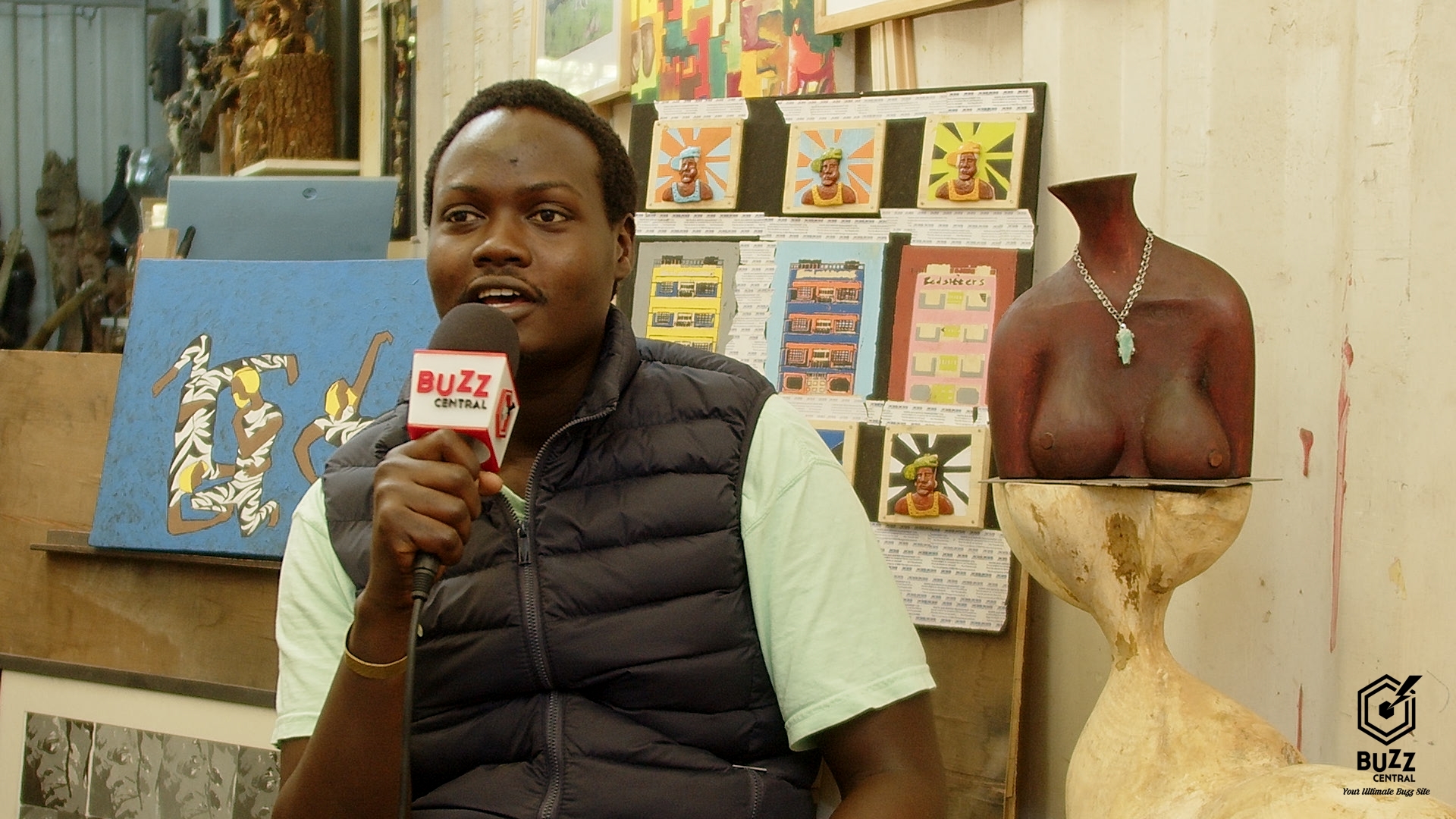
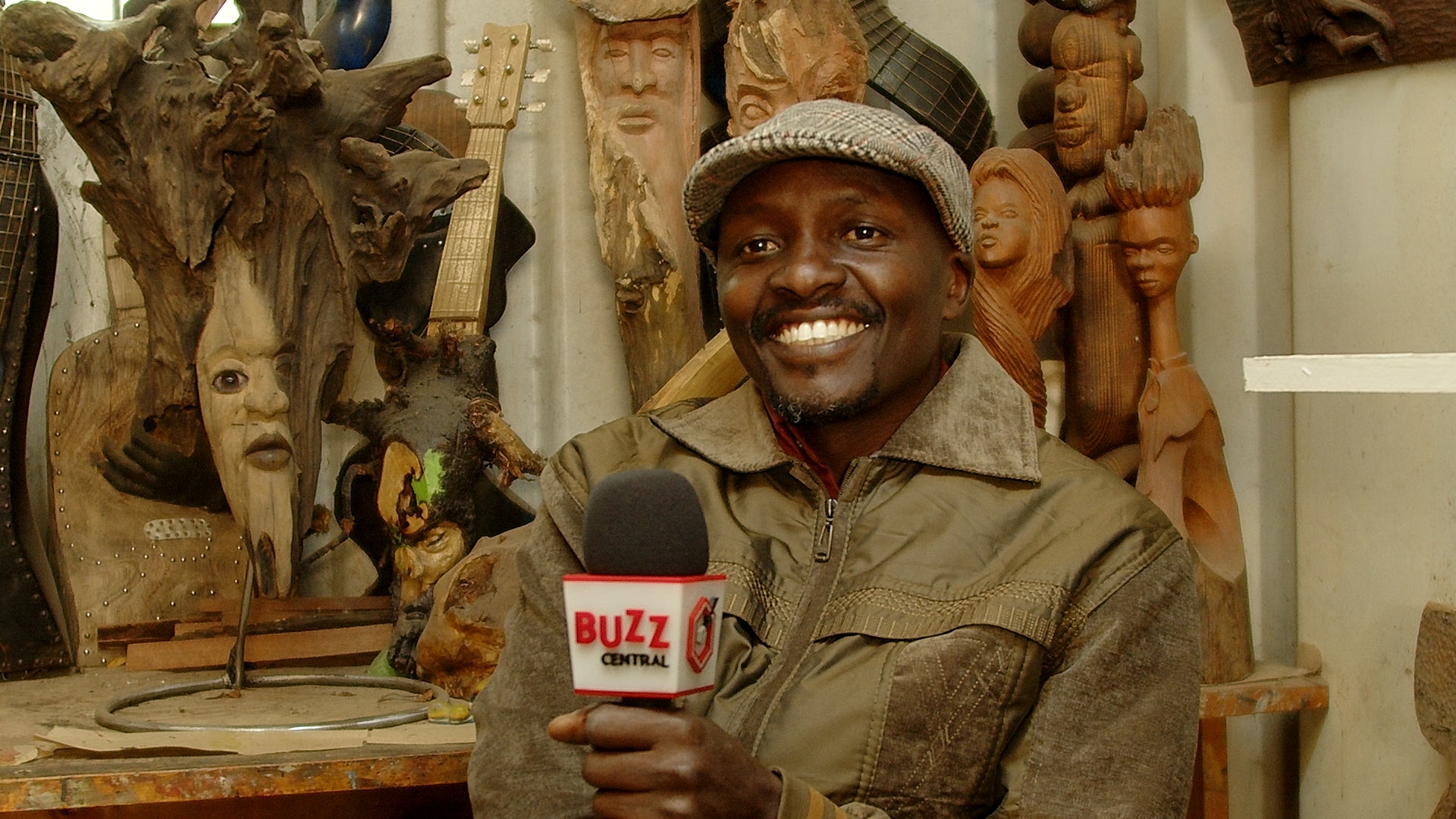
For Andrew Kibet, the act of creation is a form of spiritual inquiry. Standing beside a half-formed figure emerging from a block of wood, the Nairobi-based artist explains how his work in sculpture and printmaking is more than an aesthetic pursuit; it is a way to explore the questions of human existence.
“When you are carving wood, you see certain patterns in the grain that you cannot ignore,” he says, his hand resting on the raw material. “That wood did not come from nowhere. There must have been a creator. I believe that when I am making, I am trying to be loyal to the calling that I have.”
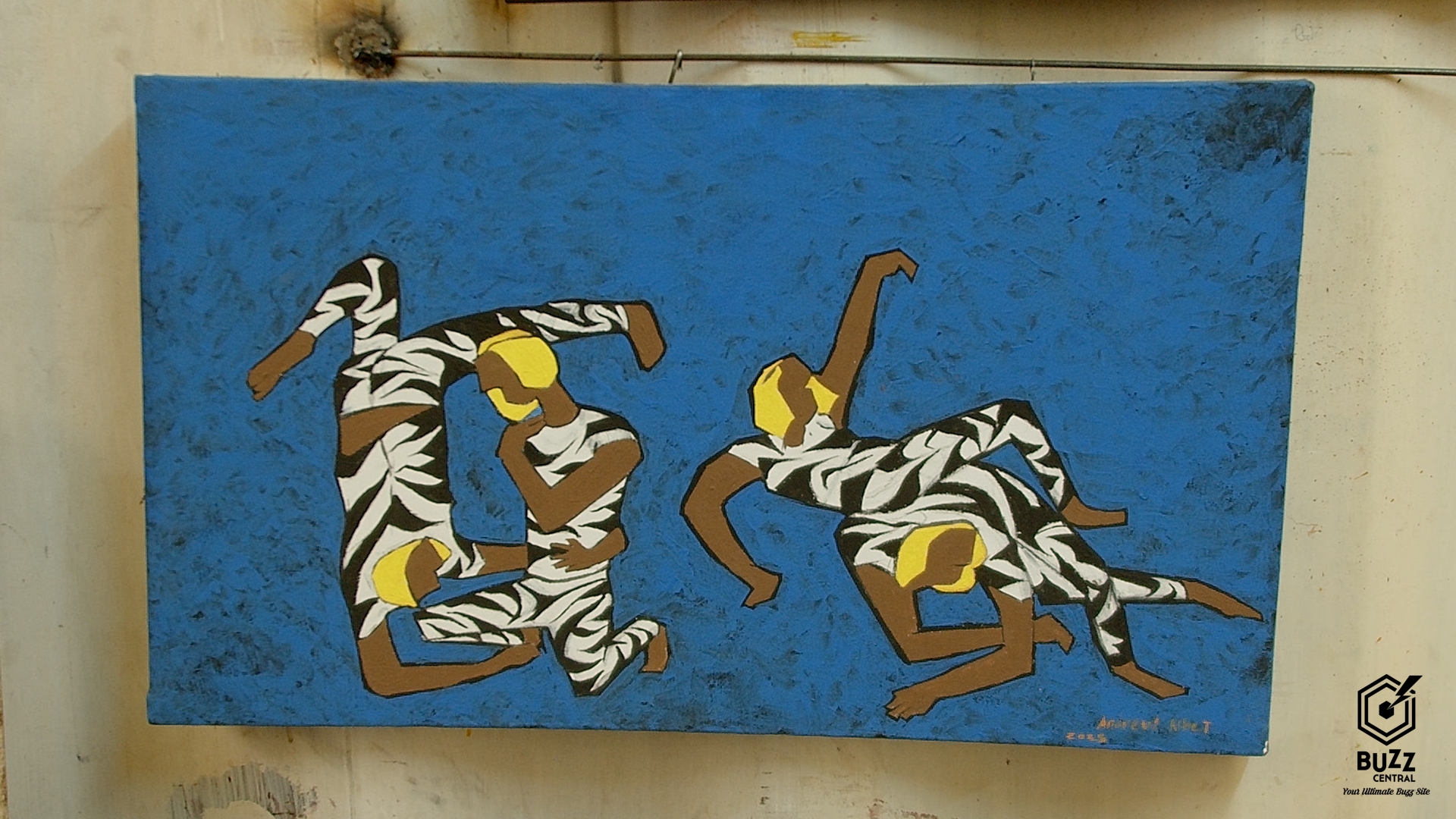
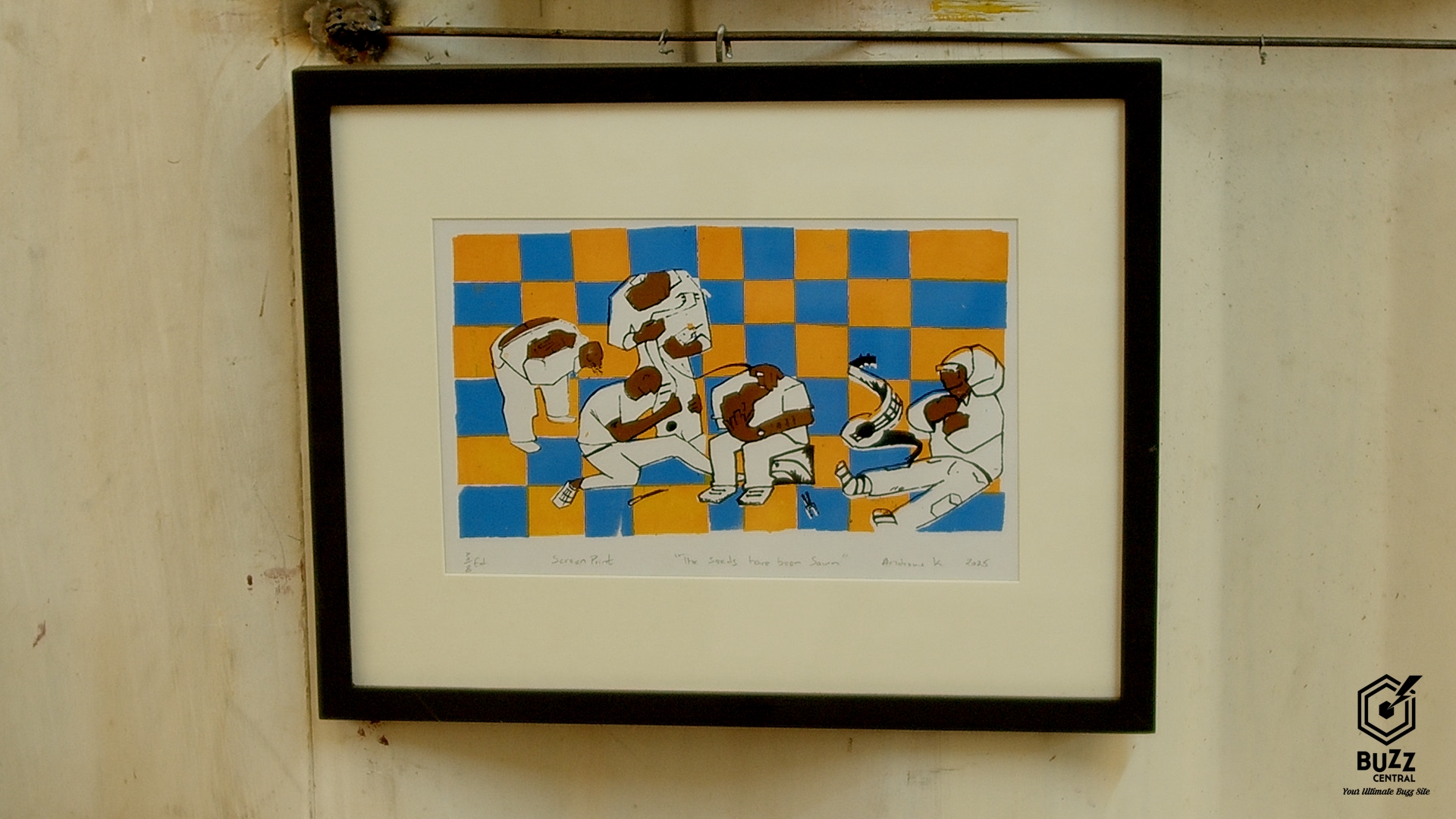
His reflective approach informs everything Kibet produces. His studio is a testament to the full range of human feeling, where the heavy, textured forms of his wooden sculptures speak to life’s struggles, while the vibrant, layered colours of his screen prints express its hopes.
“I tackle the part of us that feels despair in sculpture, and the optimism I get from colour in screen printing,” he says. “I am just reflecting what we all go through. One day you can be happy, the next day you can be sad. This is my way of documenting that journey.”
His own journey began in his hometown of Nakuru, where a chance meeting with a street painter offered his first real lesson. “I asked him if he could teach me a few things,” Kibet recalls. “He showed me how to mix paint, which types to use, how to stretch a canvas. It was a beginning.” That beginning was later given structure at the Buru Buru Institute of Fine Art, which he says provided a crucial framework for his raw talent. “It taught me what it means to be a professional artist from studio management to budgeting for a commission.”
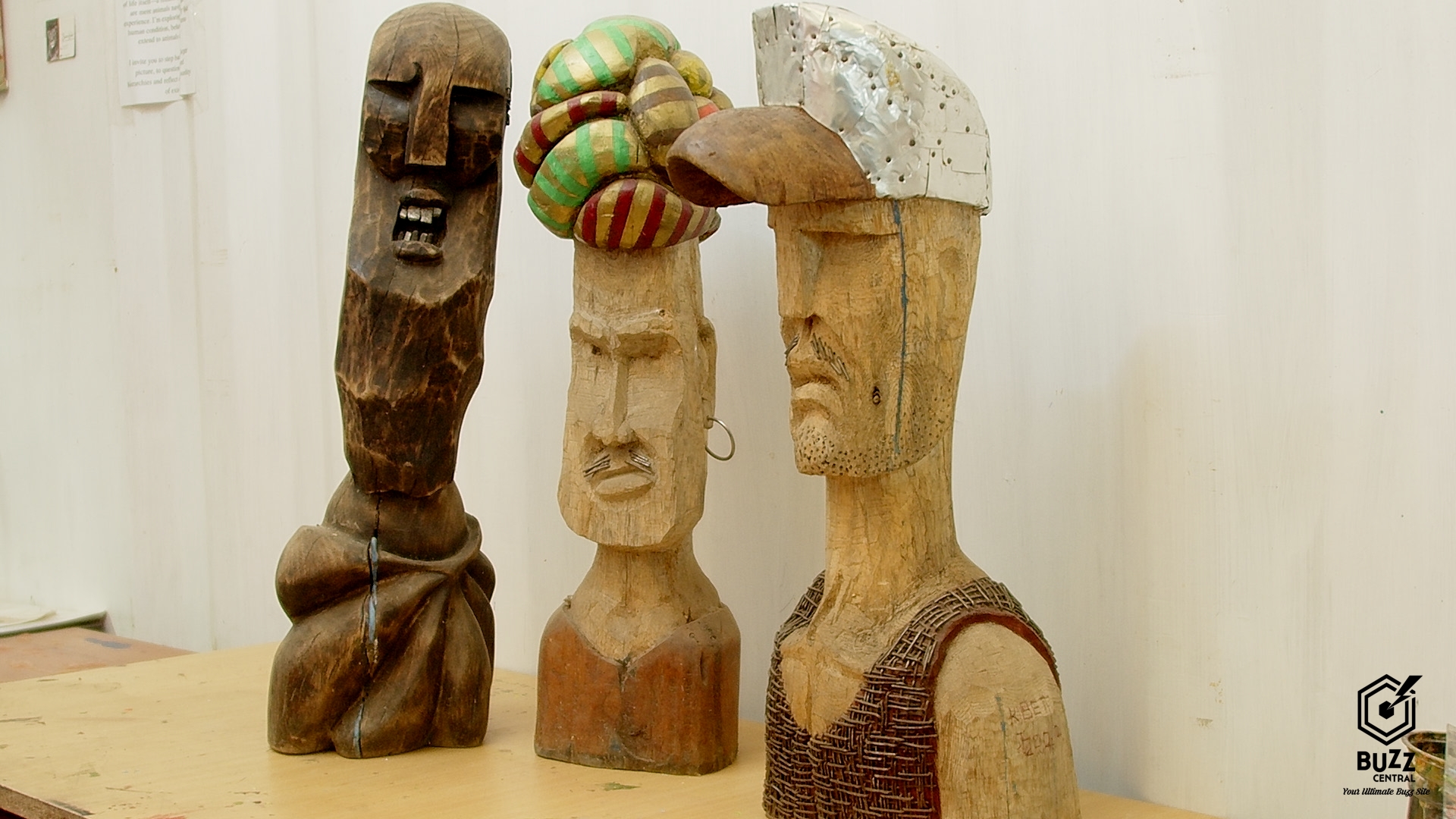
It was through an internship that he found his way to the Kuona Artists Collective, where he apprenticed under sculptor Kepha Mosoti and discovered a passion for carving. His creative process with wood is one of discovery. “Carving is a reductive process. You start removing material, but you are searching for something,” he explains. “Sometimes you don’t know what you are working on, but a form begins to emerge. I enjoy that play, finding the form and then deciding how to finish it.”
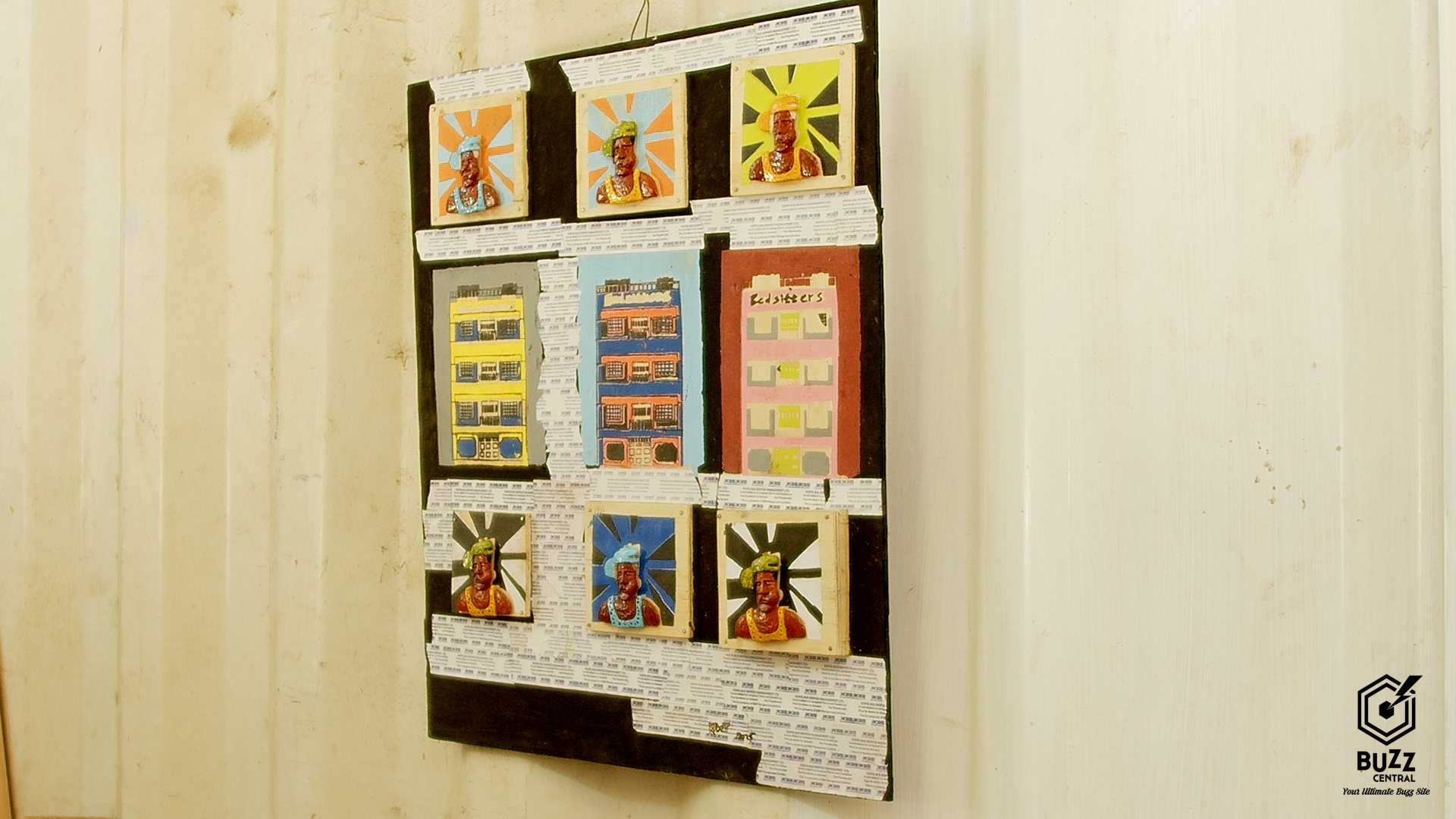
Alongside his sculptures, Kibet creates collages that combine his skills, casting forms in resin and painting them, and produces screen prints that allow him to play with reproduction and colour. For him, this variety is essential to communicating the full range of his ideas.
His dedication has begun to bear fruit. Being featured in the Kenya Art Diary 2023 led to an invitation to exhibit at the new Mombasa Art Gallery. A major corporate commission saw him create a large carved wood panel and a metal spiral for Isuzu East Africa. He has even been trusted with restoring historic wooden sculptures from the Rockefeller Foundation. “Restoring another artist’s work was humbling,” he admits. “I feel I did justice to their work so that it may live on for another 100 years.”
Kibet’s ambitions are as much about community as they are about personal achievement. He believes the Kenyan art scene is still growing and sees value in finding new ways to showcase work beyond traditional galleries. His advice to young artists is simple, “Find where visual artists are, talk to them, and hopefully find a mentor. You cannot just know everything. You have to learn from someone.”
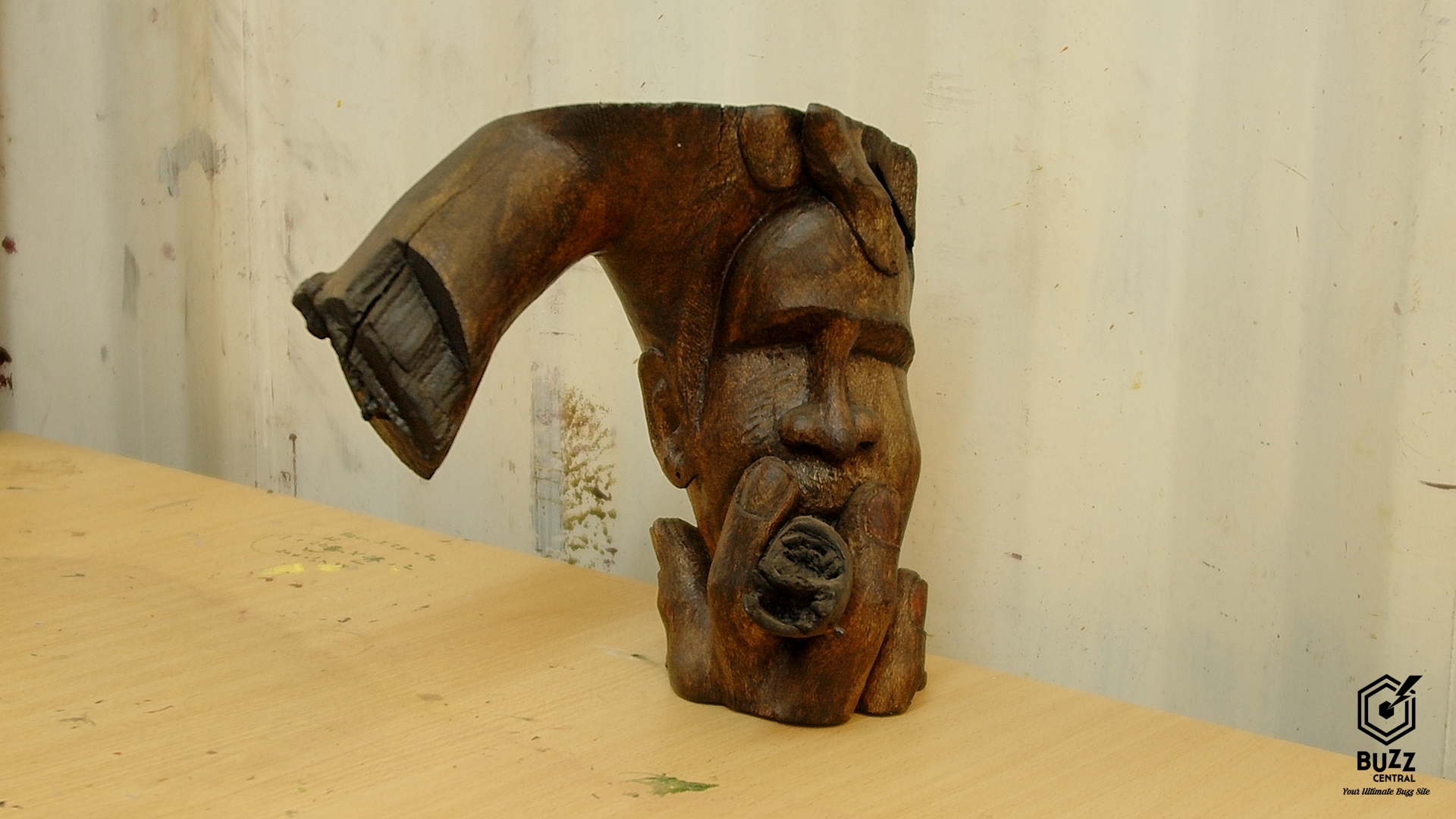
His dream is to create public monuments for cities across Kenya. “Imagine walking into a city and finding something that defines it through a public sculpture. That is what I would like to do.”
For now, as he develops a new exhibition inspired by the performance of Kenyan acrobats, his goal for those who encounter his work remains beautifully simple. “I cannot limit it to one feeling,” he says, “but I would like people to just stop and breathe. Most of the time we are rushing. When you see my work, I want to give you a moment to just take a breath.” In a world that rarely pauses, Andrew’s art offers a quiet space to feel the full weight of being human.