Tech
SAFARICOM: HOW A SMALL DEPARTMENT BECAME KENYA’S TECH GIANT
Safaricom started in 1997 as a small unit inside Telkom Kenya. Few people back then would have guessed it would become one of Africa’s most important tech companies. In the 1990s, making a call meant finding a phone booth. People sent letters through the post office and moved cash by sending it on a bus.
Today, with Safaricom woven into Kenya’s growth, those old ways are history. The company’s services now meet those needs. This journey began in 1993 inside the Kenya Posts & Telecommunications Corporation (KPTC), which started an analog mobile network. The unit’s aim was to test a first-generation (1G) cellular network called ETACS.
By 1996, Kenya moved to a newer, second-generation (2G) digital standard called GSM. The mobile age had arrived. In 1999, the KPTC unit called Safaricom got a 25-year license to operate as a full mobile service provider. Safaricom entered the market after Telkom Kenya and KenCell, preparing to serve the whole country. It began with 12,000 customers from the old KPTC system, which had been replaced by new laws.
This was the humble start for a company that now serves over 60 million customers in Kenya and Ethiopia. When Safaricom officially launched in October 2000, it invested billions of shillings to expand its new 2G network. The first equipment for its signal masts came from the German company Siemens. This launch sparked a major change in Kenya’s telecom sector.
From 2001 to 2004, Safaricom connected people using SIM cards on 2G and later 3G networks. It worked on linking all major towns and, in 2004, became the first in Kenya to offer mobile internet.
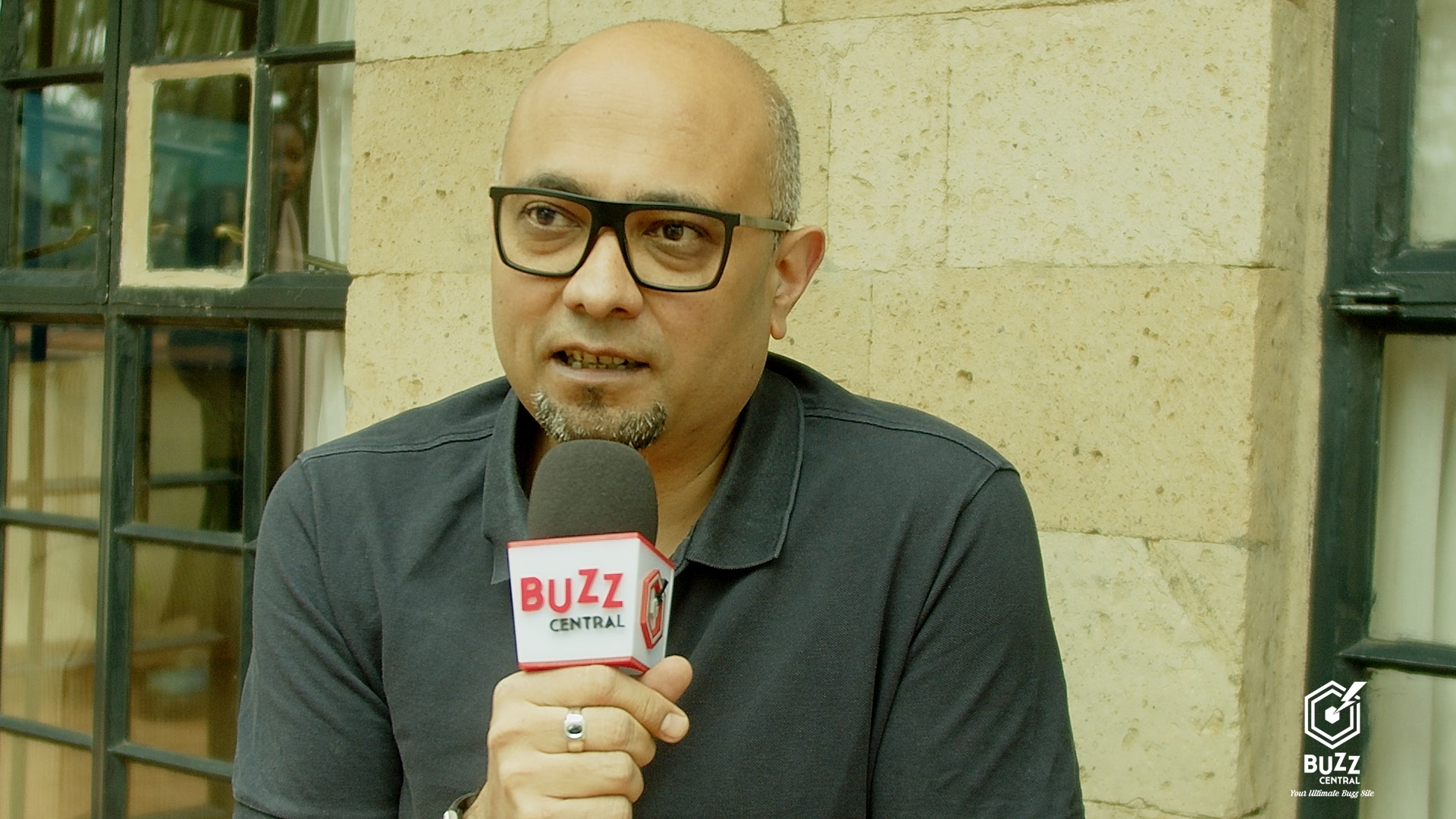
James Maitai, now Safaricom’s Chief Technology and Information Officer, joined in 2006. He was among the engineers who travelled nationwide to set up signal sites. “My job covered the whole country,” he recalled in an interview. “I chose locations for our masts, making sure we had the best coverage and cost-effective designs.”
Internet Access
Before 2005, only Internet Service Providers (ISPs) could offer internet in Kenya. This changed after the communications regulator, then called CCK, introduced new rules in late 2004, following the end of Telkom Kenya’s monopoly.
A key change allowed companies to build their own ground stations (called VSATs) to provide internet. This opened the door for mobile companies like Safaricom to offer internet via GPRS and EDGE connections. Safaricom launched its mobile internet (EDGE) in 2004, giving Kenyans access at 384 Kbps.
Speeds jumped to 7.2 Mbps when Safaricom launched 3G in 2008, with further boosts in 2010. A huge moment came in 2009 when a long undersea fibre-optic cable, named TEAMS, reached Kenya’s coast at Mombasa. This cable connected Kenya to the UAE and onward to the world. This fibre link drastically cut internet delay times from 0.7 seconds to just 0.1 seconds. As the cable was extended inland, it opened a new chapter for internet access.
By connecting its signal masts to fibre, Safaricom could offer customers much faster internet. In 2014, Safaricom launched Kenya’s first 4G LTE mobile broadband network, followed by 4G+ in 2015. 4G allowed faster downloads, uploads, and smooth video streaming. 4G+ combined spectrum bands to offer even higher speeds, up to 150 Mbps.
Also in 2014, Safaricom introduced Home Fibre service. It had begun building its own land-based fibre network in 2013, which supported its fast 4G mobile broadband.
In 2018, the company launched high-quality voice and video calls over its 4G network (VoLTE), allowing users to talk and browse at full 4G speed at the same time. In 2022, Safaricom took another leap, becoming the first in Kenya to launch 5G, offering speeds up to 700 Mbps. 5G supports real-time data processing, which is key for new technologies like the Internet of Things (IoT).
M-PESA
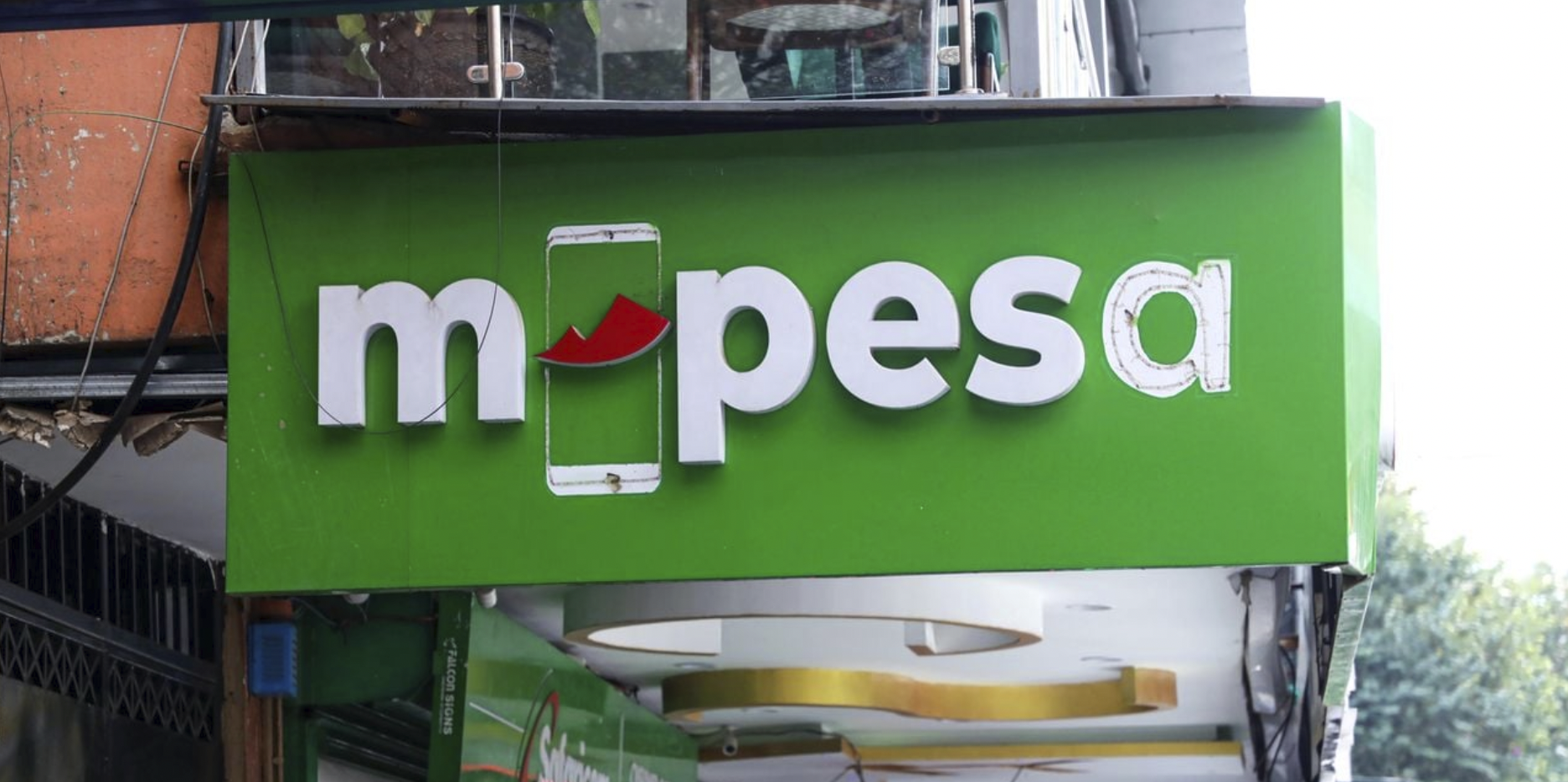
In 2007, Safaricom introduced M-PESA. This service changed Kenya’s future, laying the groundwork for e-commerce and transforming banking. It took big steps toward including more people in the financial system and led to partnerships with banks and other telecoms.
It began as a small project to help with microloan repayments but quickly grew into a full mobile money service for sending cash, making payments, and saving.
What made M-PESA different was its simplicity. While other systems needed smartphones or special gear, M-PESA worked with basic SMS messages. Any phone that could text could use it. Instead of banks and ATMs, it created a vast network of agents local shopkeepers and kiosks where people could turn cash into digital money and back again.
Becoming a Tech Company
Over time, Safaricom has kept improving data services, putting affordable internet in people’s hands and bringing them into the digital world. In 2021, Safaricom announced a major new goal: to change from a telecom company into a technology company by 2025. Its aim is to be Africa’s leading purpose-driven tech company by 2030.
This plan includes investing in infrastructure like undersea cables, upgrading M-PESA, and using Artificial Intelligence (AI) to improve customer service and operations.
The M-PESA upgrade, called Fintech 2.0, is a complete rebuild of the system onto a modern, cloud-based platform. This allows many more transactions, makes the service more reliable, and lets Safaricom add new features faster.
The new platform uses advanced AI to spot fraud, fix some problems automatically, and monitor transactions in real time. Its cloud foundation means it can scale up instantly and launch products quickly. The company is also expanding to offer digital and financial services to businesses and government.
Safaricom’s growth has always been based on one idea: using new solutions to improve lives. Through work in education, health, and farming, it shows how technology, when used with a clear purpose, can reduce gaps and create new chances for people. Safaricom’s story reflects Kenya’s own rise as a tech center in the region, driven by connectivity and a shared dream of a digital future for everyone.