Business
GOVERNMENT EXPLAINS REASONS FOR SELLING 15% SAFARICOM STAKE TO VODACOM
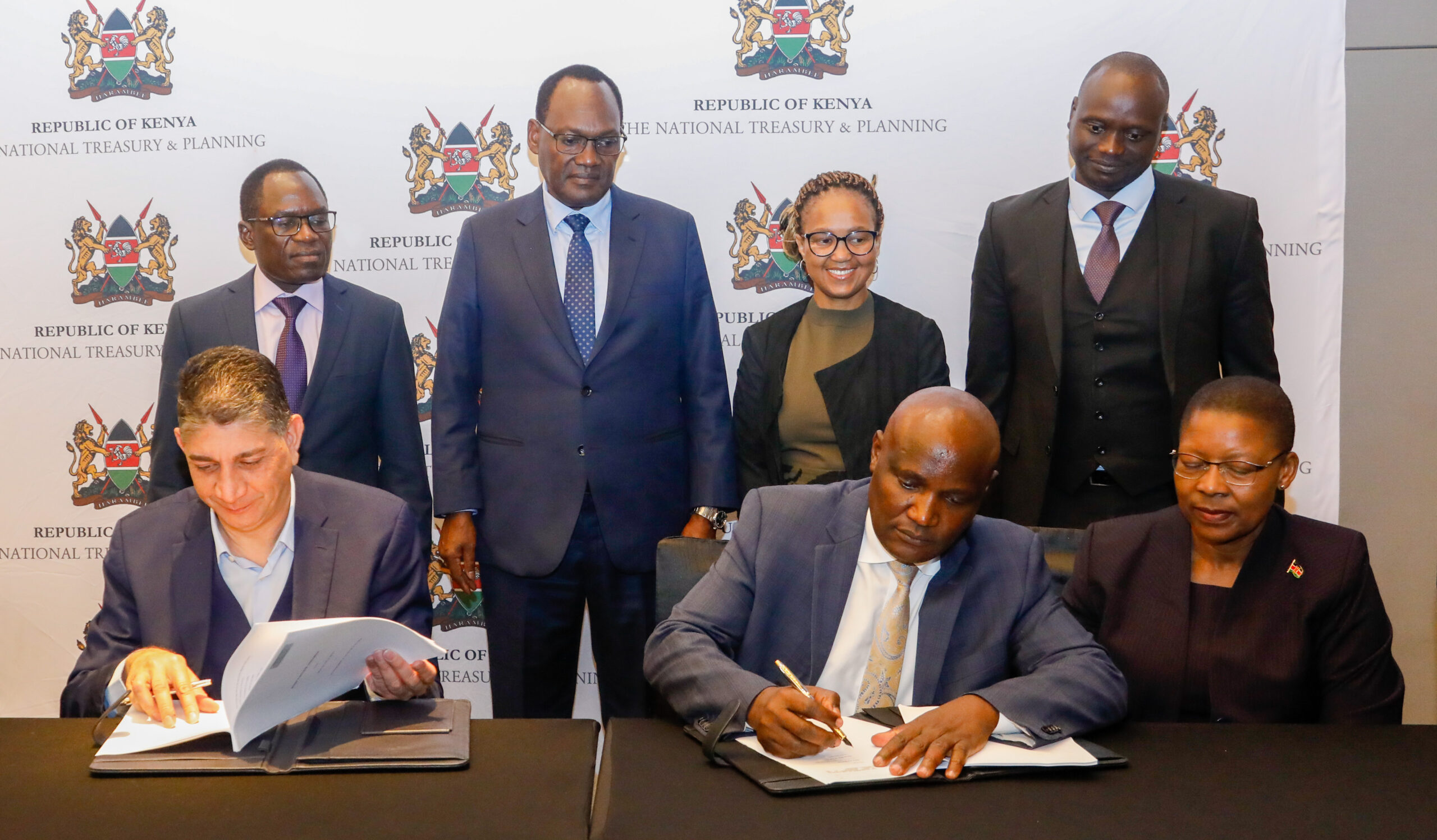
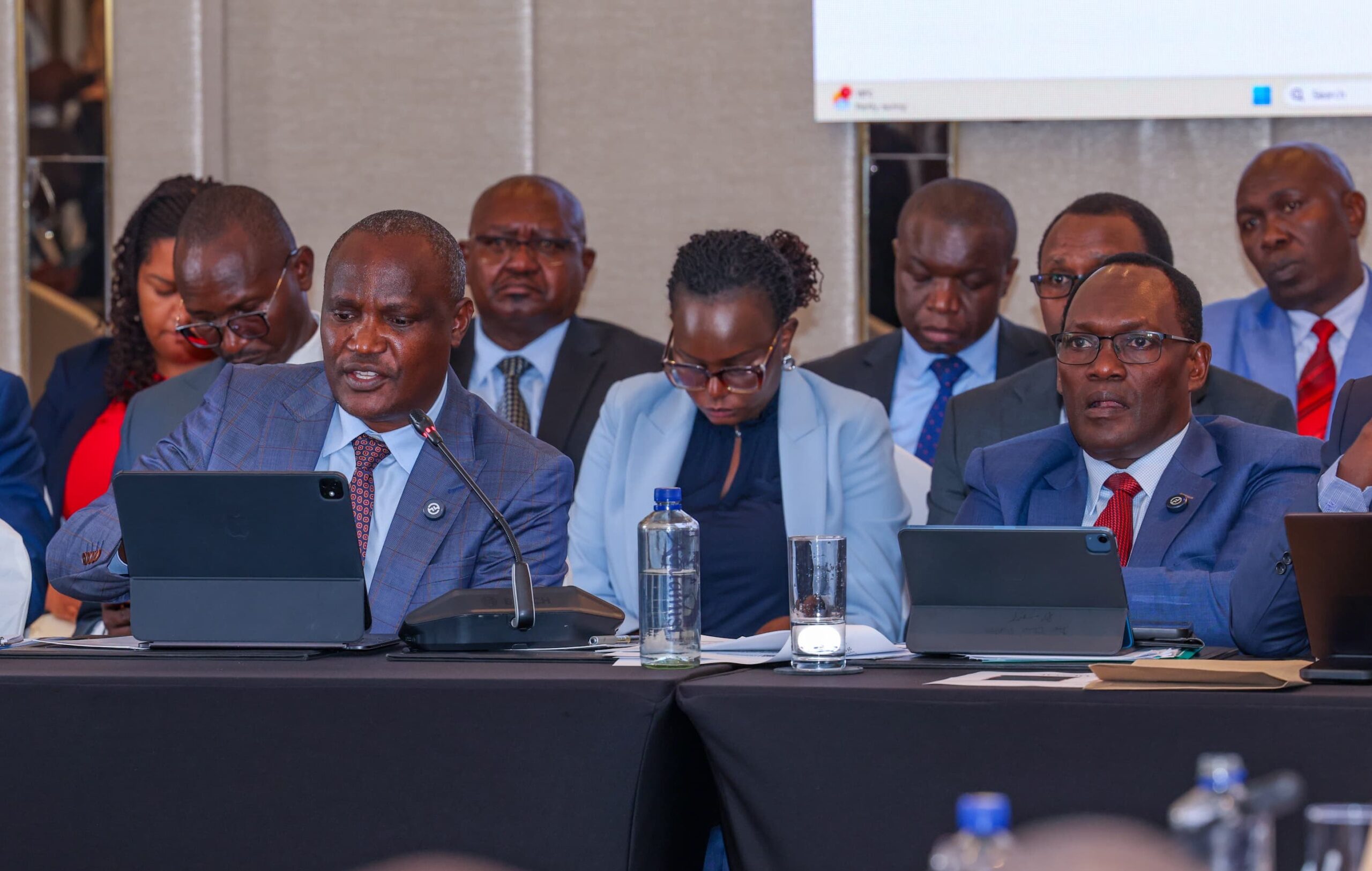
Treasury Cabinet Secretary John Mbadi has stated that the Government’s sale of part of its Safaricom shareholding to Vodacom will allow it to retain a significant investment while avoiding future dilution of its shares. He presented this rationale to the Joint Committee of the National Assembly reviewing the proposed transaction.
Mbadi explained that the deal enables the Government to realise optimum value from an investment cultivated over 25 years. “The key benefit that the Government of Kenya shall derive from the divestiture is to mitigate the risk of future dilution due to capital requirements by the business.
Given the prevalent erosion of fiscal space, Companies that are controlled fully by Government might not be able to undertake investments even in the cases where there is proven certainty of payoffs or enhancing efficiency as the debt carrying capacity of the sovereign is diminishing,” he told the committees.
He outlined that partnering with Vodacom, which is majority-owned by Vodafone, guarantees the Government immediate cash, minimal business disruption, Safaricom’s continued success, and a long-term partner capable of assuming higher risks. “This transaction eliminates any settlement risk, as Vodacom has a strong financial capacity and proven track record in completing similar investments,” Mbadi added.
The Cabinet Secretary also stated that the Government will maintain oversight of Safaricom through its retained 20 percent stake, supported by established regulators. “This is one business area where commercial and regulatory functions are very distinct, hence shareholding is no longer a material Government tool of control,” he noted.
Mbadi detailed several negotiated safeguards, including two board seats, governance continuity, preservation of the Safaricom brand, a three-year moratorium on acquisition-related redundancies, and requirements that the Chairman, CEO, and independent directors remain Kenyan. On the sale price, Mbadi defended the agreed rate of KSh34 per share as the best achievable.
This valuation followed assessments using multiple metrics, including net asset value, earnings, dividends, and discounted cash flows. The average valuations from these methods ranged from KSh17 to KSh27.50 per share, while leading investment banks suggested an average of KSh30.82. The final KSh34 price will generate proceeds of KSh204.3 billion.
Additionally, Kenya will receive a KSh40 billion dividend advance in place of KSh55 billion it would have accrued over six years. Mbadi argued this is favourable, stating that the KSh55 billion discounted at market rates is worthKSh29.3 billion today, meaning the Government gains KSh10 billion more in present value.
“Looking forward, if Kshs 40bn were invested at the market rate, it would grow to roughly Kshs 75bn in six years, meaning the proposed repayment of Kshs 55bn is Kshs 20bn lower than the fair future value. The transaction favours GOK both in present value and and future value view points,” Mbadi said.
He concluded by framing the transaction as pivotal to the Government’s strategy of using non-tax revenue to fund priority infrastructure in energy, roads, aerospace, water, and digital transformation.
“Our economy is in a critical turning point and to sustain the economic achievements realized thus far both from a macro and fiscal (inflation, interest rates, currency stabilization, GDP growth) perspectives we must turn to innovative financing mechanisms to fund infrastructure and public service projects,” Mbadi stated.