

Business
HUAWEI SURPASSES GLOBAL CONNECTIVITY GOAL REACHING 170 MILLION PEOPLE IN REMOTE COMMUNITIES
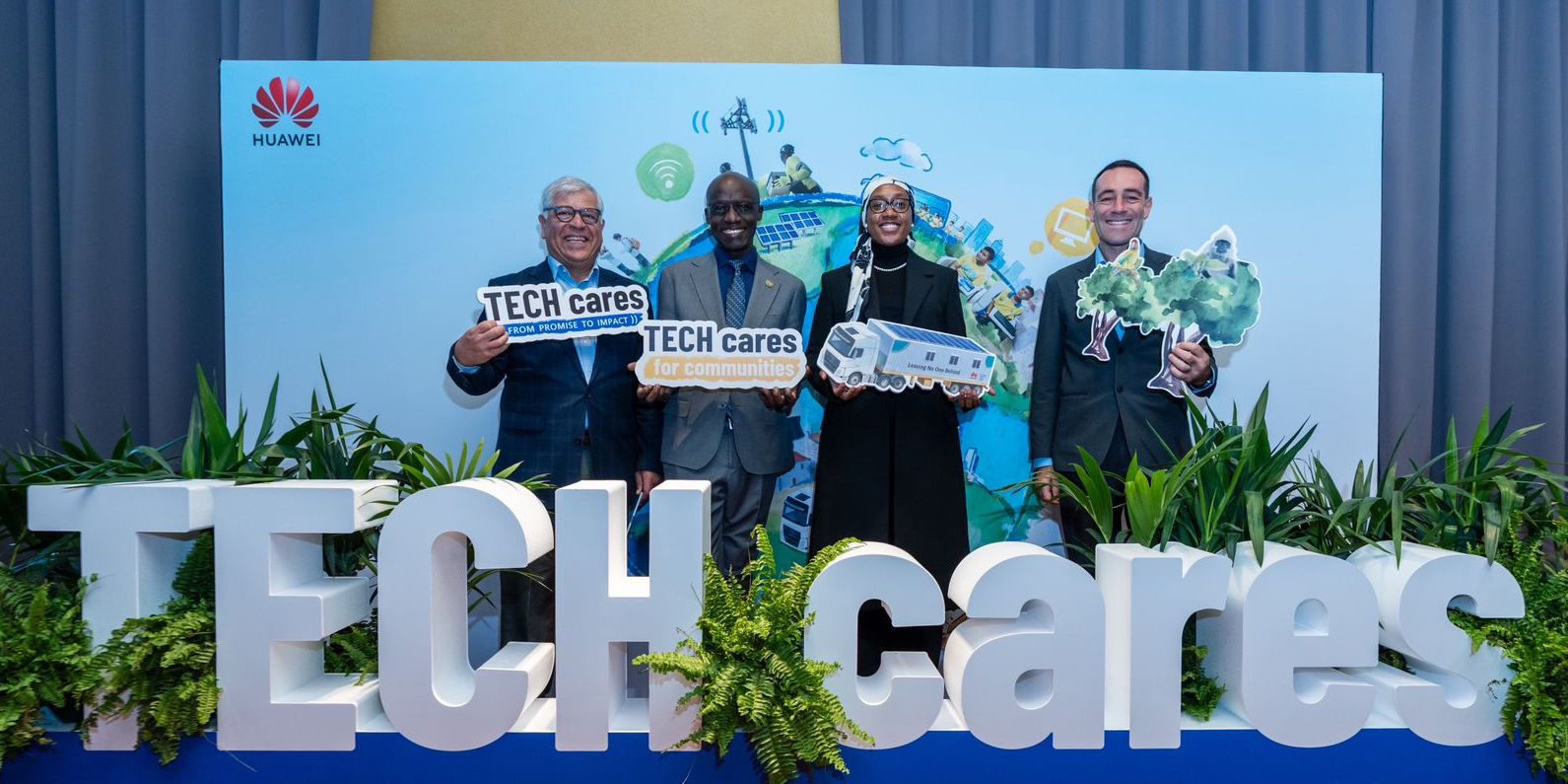
Huawei has announced it has successfully provided digital connectivity to 170 million individuals living in remote and underserved communities across more than 80 nations.
This accomplishment surpasses the ambitious target the company set upon joining the International Telecommunication Union’s (ITU) Partner2Connect (P2C) Digital Coalition in 2022.
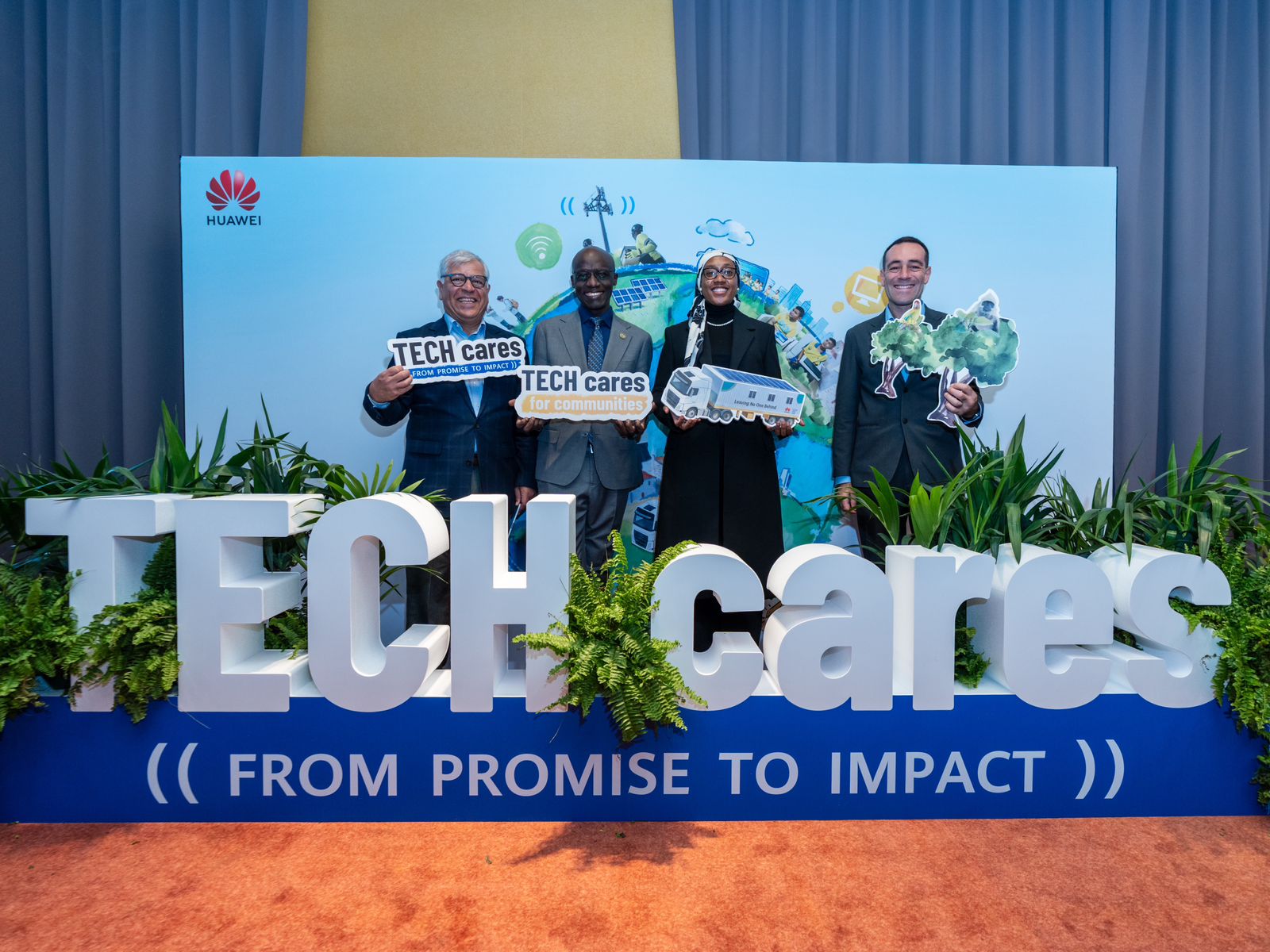
The announcement was made by Yang Chaobin, CEO of Huawei’s ICT Business Group, at the company’s TECH Cares Forum in Barcelona. The initial pledge aimed to connect 120 million people in isolated areas by the end of 2025.
Mr. Yang credited this success to partnerships with telecommunications operators and global collaborators. “This milestone underscores the effectiveness of collective effort and our mutual dedication to making the benefits of digital technology universally accessible,” he stated.
The forum brought together roughly 80 representatives from government bodies, industry leaders, international organisations, and partner groups to discuss the pressing need for digital inclusion, especially as artificial intelligence reshapes the global landscape. Discussions cantered on tangible strategies to bridge the digital divide through sustained, multi-sector collaboration.
Yang highlighted that while AI progresses rapidly, the digital divide persists and could potentially widen. “Universal and high-speed digital infrastructure is the bedrock of an inclusive and sustainable AI future,” he explained. Fulfilling the P2C pledge demonstrates Huawei’s ongoing commitment to innovation that brings tangible improvements such as better access to healthcare, education, and financial services to remote populations through connectivity.
Cosmas Zavazava, Director of the ITU Telecommunication Development Bureau, praised the achievement. “Successfully connecting rural communities demands creative business approaches, genuine inclusivity, strategic resource use, and deep community involvement,” he said. “Huawei’s dedication to providing meaningful connectivity is commendable, and we highly value our successful collaboration.”
Jeff Wang, President of Huawei Public Affairs and Communications, noted that digital inclusion rests on two interconnected pillars: accessible infrastructure and digital skills development. To tackle the skills gap, Huawei partners with governments and educational bodies to empower students, women, and older adults through programs that enhance access, offer digital training, and bolster STEM education.
A prime example is the ‘Skills on Wheels’ program, which, since 2019, has equipped over 130,000 individuals in 21 countries with mobile digital training, fostering new employment and entrepreneurial opportunities.
The company’s progress is also fuelled by continuous innovation in rural connectivity. Since 2017, Huawei has refined its Rural Series solutions for better affordability and deployment. The November 2025 launch of ‘RuralCow,’ a solution designed to connect villages of around 1,500 residents including deployments with MTN Nigeria has directly contributed to the 170 million milestone while boosting local economies.
Forum participants concurred that achieving digital inclusion in the AI era requires persistent, unified action from all stakeholders. Huawei has reaffirmed its dedication to advancing rural network technology, fostering open partnerships, and promoting digital literacy, aiming to contribute to a more equitable and sustainable digital world.