
Trending News
TRANSGENDER WOMEN BANNED FROM OLYMPIC FEMALE EVENTS
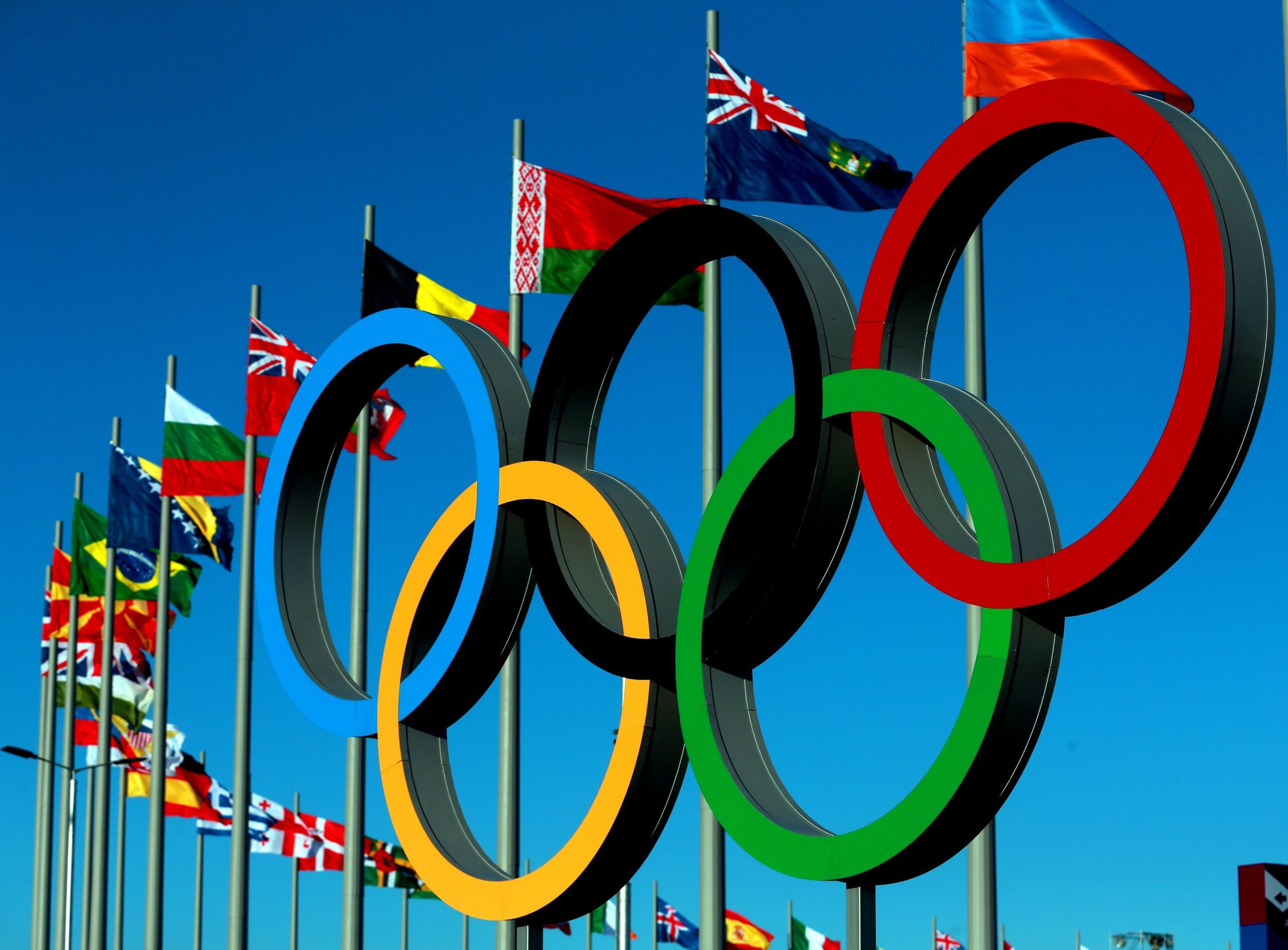
Beginning with the 2028 Los Angeles Games, Olympic women’s events will be restricted exclusively to athletes who are biologically female.
The International Olympic Committee has announced that eligibility will hinge on a one-time genetic screening designed to bar transgender women and athletes with differences in sexual development who underwent male puberty from competing in the female category.
IOC President Kirsty Coventry stated that the framework, shaped by medical experts, priorities fairness and safety. She noted that in Olympic competition, the smallest advantages can determine outcomes, making it unjust for biological males to participate in women’s events.
Under the new policy, athletes will be tested for the SRY gene, which is located on the Y chromosome and triggers male development. The IOC described the method using saliva, cheek swabs, or blood as minimally intrusive.
Those who do not pass the test will still be eligible to compete in men’s, mixed, or open categories where applicable. Previously, the IOC allowed individual sports federations to set their own guidelines. While governing bodies for athletics, swimming, and cycling had already implemented bans, this new rule creates a unified standard across all Olympic sports.
The decision follows years of debate over the balance between inclusion and competitive fairness. During the Paris 2024 Games, no transgender women were known to compete in female events, though boxing faced scrutiny after an Algerian fighter won gold following a previous gender eligibility dispute. The new rules also affect most athletes with DSD conditions, with an exception for those with complete androgen insensitivity syndrome, who do not undergo male puberty.
Advocates of the policy argue that a genetic test provides a reliable and confidential method supported by sports science. Critics, however, contend it is invasive and reductive, warning that such testing can lead to stigma and has produced false positives in the past. The IOC developed its position after an 18-month review of scientific evidence and consultations with athletes and experts.