Tech
How Samsung’s Pioneering Firsts Shaped the Technology We Use Today
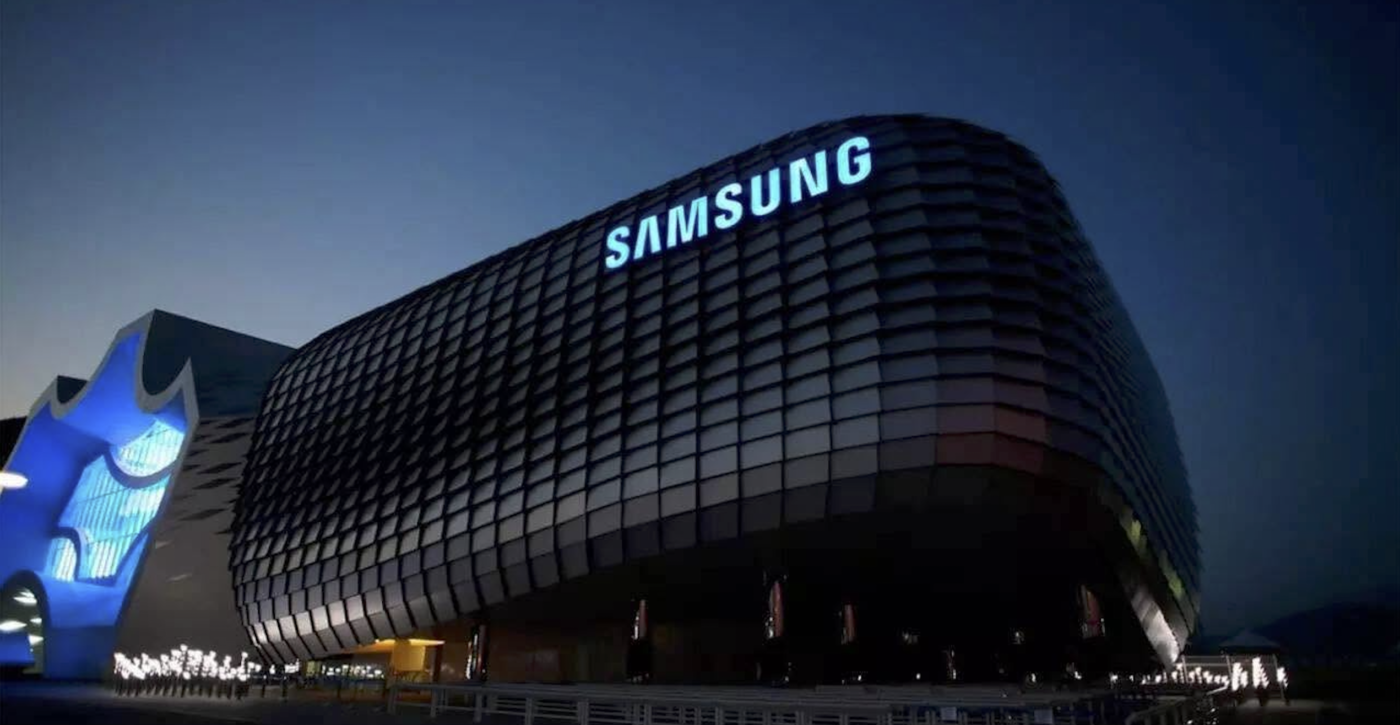
For decades, Samsung has been guided by a simple but powerful vision: to inspire the world and create the future. The company’s journey began in 1938, and Samsung Electronics was founded in 1967. What started as a small player in electronics has since grown into a global powerhouse, with a presence in smartphones, televisions, home appliances, displays, semiconductors, wearables, and artificial intelligence.
Yet Samsung’s significance isn’t just about how long it has been in business. It’s about how the company has used that time. Across a wide range of product categories, Samsung has consistently pushed the boundaries of what a device can be. Many technologies that people now take for granted were once unfamiliar, untested ideas.
Consider a few examples: a smartphone with a Super AMOLED screen. A phone that comes with a digital stylus. A television with a curved display. A refrigerator with independent cooling zones. A phone that bends in half. AI embedded in a device people carry everywhere. These are just some of the innovations that have helped redefine the technology landscape.
In 2010, Samsung released the Galaxy S, which was billed as the first smartphone to feature a Super AMOLED display. This screen technology delivered richer colours, deeper contrast, and a slimmer profile, making the display a more central part of the mobile experience. It laid the groundwork for the large, immersive screens that consumers now expect. Samsung continued to refine its display technology, progressing through multiple generations of AMOLED and Dynamic AMOLED panels across its Galaxy lineup.
A year later, in 2011, Samsung unveiled the Galaxy Note, paired with the S Pen. The concept was straightforward: a smartphone could also function as a notebook. The Galaxy Note offered a spacious screen and a digital pen for writing, sketching, note-taking, and interacting with the device. It introduced a new way to use a smartphone and turned the S Pen into a defining feature of Galaxy flagship devices. More than ten years on, the S Pen remains a tool for creativity and productivity within Samsung’s Galaxy ecosystem.
As smartphones became more deeply embedded in both personal and professional life, security grew as important as functionality. In 2013, Samsung launched Samsung Knox, an end-to-end security platform built to protect devices and the data they hold. It also created a secure space where work and personal information could coexist on the same device. Over time, Knox has expanded into a comprehensive security platform spanning Samsung’s connected ecosystem.
In 2017, Samsung introduced Bixby alongside the Galaxy S8. Bixby offered users a new way to engage with their smartphones through voice commands and other intelligent features. It was an early move toward making phones more intuitive and natural to use. That idea has continued to develop. Today, Bixby is part of Samsung’s wider intelligent experience, enabling users to interact with their Galaxy devices using everyday language. The technology has evolved, but the mission remains unchanged: making technology simpler for people to use.
Samsung has also spent decades reimagining what a television can look like. In 2013, the company revealed what it called the world’s first Curved UHD TV, blending ultra-high-definition picture quality with a curved screen designed for a more immersive viewing experience.
Then, in 2018, Samsung introduced The Wall, a 146-inch MicroLED display described as the world’s first modular TV for consumers. Its modular design allowed the screen to be adapted to different spaces. These innovations demonstrated that the future of television wasn’t only about picture quality. It could also be about design, size, and how a screen integrates into the home.
Some of Samsung’s most practical breakthroughs have come in products people use daily. In 1995, the company introduced Twin Cooling technology, which used separate cooling systems for the refrigerator and freezer sections. This allowed each compartment to be controlled independently, helping maintain different temperature and humidity levels while limiting the transfer of odours between sections.
It was a simple answer to an everyday problem and became a cornerstone of Samsung’s refrigeration technology. Today, Samsung continues to bring connectivity and intelligence into homes through technologies like SmartThings and AI-powered appliances.
The company also rethought washing machines with Eco Bubble technology. Eco Bubble combines air, water, and detergent to form bubbles that help detergent penetrate fabrics faster. This enables effective cleaning at lower temperatures, which can also reduce the energy needed to heat water. It’s another example of Samsung examining a routine household task and finding a fresh approach.
That mindset has since advanced further with connected and AI-driven Samsung appliances. In 2019, Samsung launched the Galaxy Fold, creating an entirely new category of foldable smartphones. When unfolded, the Galaxy Fold featured a 7.3-inch Infinity Flex Display, offering a larger screen while staying compact when closed. Samsung described it as the world’s first device with a 7.3-inch Infinity Flex Display.
The broader idea was to challenge a fundamental assumption about smartphones: that their size and shape had to be fixed. The Galaxy Z Fold and Galaxy Z Flip families that followed have continued to build on this concept, giving consumers a new way to think about the relationship between a phone and its screen.
Samsung’s latest chapter is being written with artificial intelligence. In 2024, the company introduced the Galaxy S24 series, bringing Galaxy AI directly into the smartphone experience. Features like Circle to Search, Live Translate, and Chat Assist demonstrated how AI could become part of everyday activities, from communication and search to content creation. Rather than treating AI as something separate from the phone, Samsung integrated it into the device people already carry with them daily. Since then, Samsung has continued to expand AI across its Galaxy ecosystem.
From Super AMOLED and the S Pen to Knox, Bixby, Curved UHD TVs, Twin Cooling, Eco Bubble, foldable smartphones, and AI, Samsung’s innovations touch very different areas of daily life. But they all reflect the same philosophy: looking at familiar technology and asking what it could become.
A phone could become a notebook. A television could become more immersive. A refrigerator could cool differently. A phone could fold. And AI could become part of how we use our devices every day. That is what makes Samsung’s innovation story larger than any single product.
For decades, Samsung has continued to transform new ideas into technologies that people can experience and use. In doing so, its vision to “Inspire the world and create the future” has become more than a slogan. It is evident in the company’s ongoing efforts to challenge what is possible and create what comes next. And for a company with a history of going first, the next innovation is always another chance to create the future.