

Business
Bolt Celebrates a Decade in Kenya with KSh19 Billion Investment
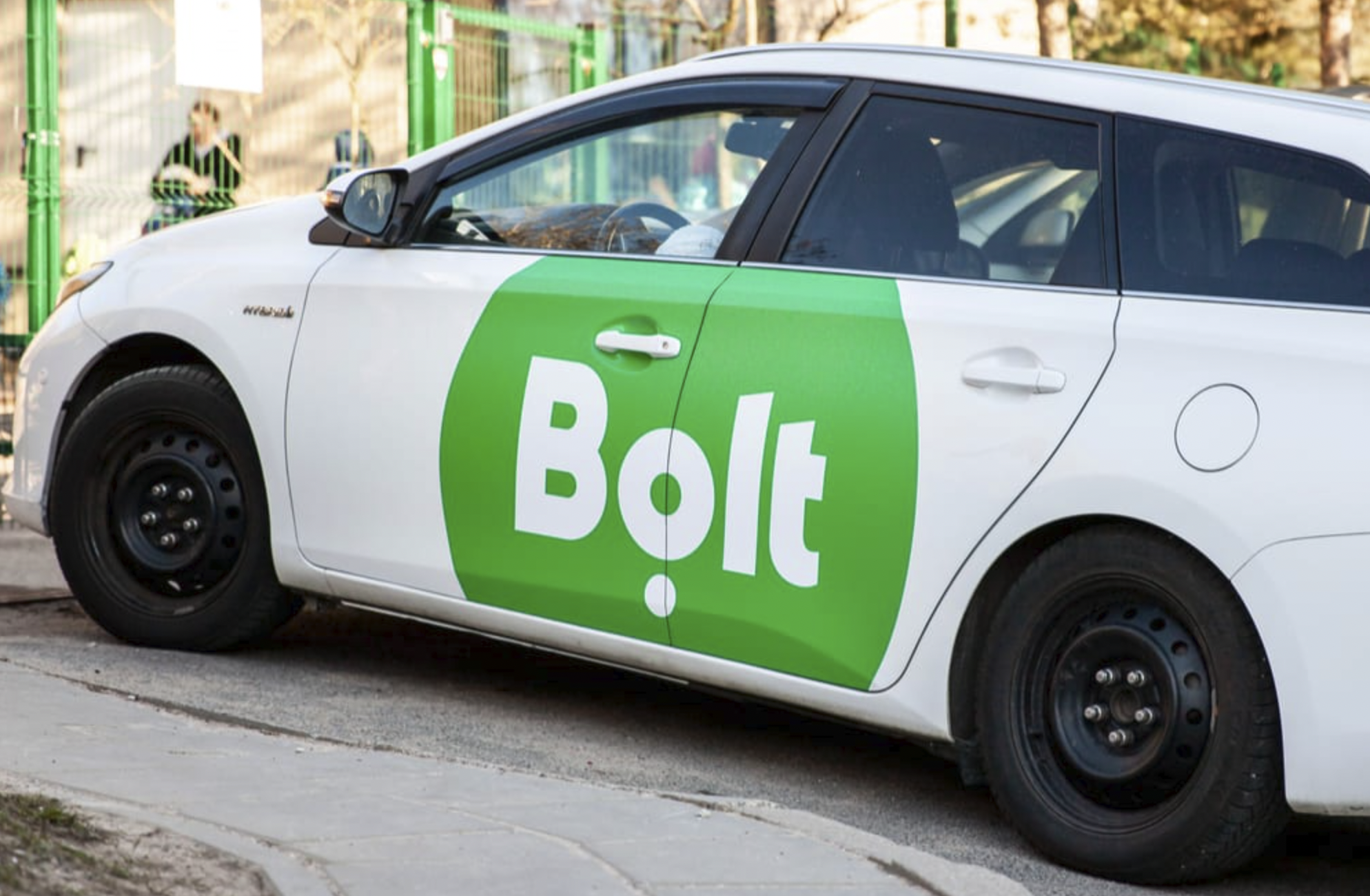
Bolt, a leading on-demand transport platform, is commemorating ten years of operations in Kenya, having injected over KSh19 billion (€130+ million) into the local market since its launch in 2016.
Over this period, the company has connected upwards of 8 million passengers and generated income opportunities for more than 170,000 drivers and couriers across the country. Bolt’s reach now extends to six regions and 19 towns, including Nairobi, the Coast, Western Kenya, Central and North Rift, and the Mt Kenya area.
What started as a fresh player in Kenya’s ride-hailing sector has evolved into one of the nation’s most widely used mobility applications, underscoring the rapid transformation of app-driven transport and the expanding gig economy over the last ten years.
Bolt’s milestone comes as gig work becomes an increasingly important part of Kenya’s labour market. The 2026 Bolt Kenya & Ipsos Gig Economy Report, released in March, estimates that the country’s gig economy now supports approximately 1.5 million workers and generates more than KSh130 billion (approximately US$1.2 billion) annually.
The independent study, one of the most comprehensive assessments of gig work in Kenya to date, also highlights the role ride-hailing plays in improving livelihoods. 98% of ride-hailing participants surveyed reported an improvement in their standard of living since joining the platform, with 54% describing the improvement as significant.
For drivers operating on the Bolt platform, the report revealed average monthly earnings of KSh63,000, with the top 20% earning as much as KSh184,000 per month. Boda boda riders reported average monthly earnings of KSh56,000, while 53% of drivers surveyed cited Bolt as their primary source of income. These statistics reflect a wider transformation in how Kenyans access earnings and how work is structured, with ride-hailing emerging as a key pillar of the nation’s expanding digital economy.
Dimmy Kanyankole, Senior General Manager, Rides, East Africa, stated: “Kenya is a market we entered with careful consideration, and after ten years, it is certainly not one we take for granted. Over the past decade, we have witnessed ride-hailing evolve from a novel technology into a vital source of income and economic opportunity for thousands of Kenyans.
For many drivers, our platform has offered a means to earn a living, work with greater flexibility, and engage in an increasingly digital economy. As we look ahead to the next ten years, our commitment remains focused on continued investment in Kenya and expanding the opportunities technology can unlock for drivers, businesses, and communities nationwide.”
Over the past ten years, Bolt has channeled more than KSh19 billion into the Kenyan market, funding technology infrastructure, driver support programs, safety initiatives, and expansion efforts across the country. The company’s operations have also bolstered the broader ecosystem surrounding app-based mobility, including vehicle financing, insurance, smartphone sales, data consumption, and automotive servicing and maintenance.
According to the gig economy report, ride-hailing now accounts for approximately 20% of all gig economy activity in Kenya, making it the second-largest category after e-commerce. The sector’s growth has also coincided with evolving expectations around work, with flexibility and the ability to generate income through digital platforms becoming increasingly important to workers.
Bolt’s decade in Kenya has also aligned with a notable transformation in the country’s transport landscape, particularly the rise of electric mobility. As of 2026, seven out of every ten electric vehicles operating in Kenya are active on the Bolt platform, highlighting the company’s commitment to electric vehicle adoption and driver incentive programs.
The company has consistently supported this transition by expanding access to electric and lower-emission vehicles, including through partnerships designed to make EV ownership more attainable for drivers.
Going forward, Bolt intends to maintain its focus on driver welfare, safety, product innovation, and sustainability. The company also plans to broaden access to electric and lower-emission vehicles, enhance earning opportunities for drivers and couriers, and extend its footprint in secondary cities throughout the country.