
Entertainment
Casting Director Gerald Langiri Explains Why We Keep Seeing Same Kenyan Actors in Film & TV Productions

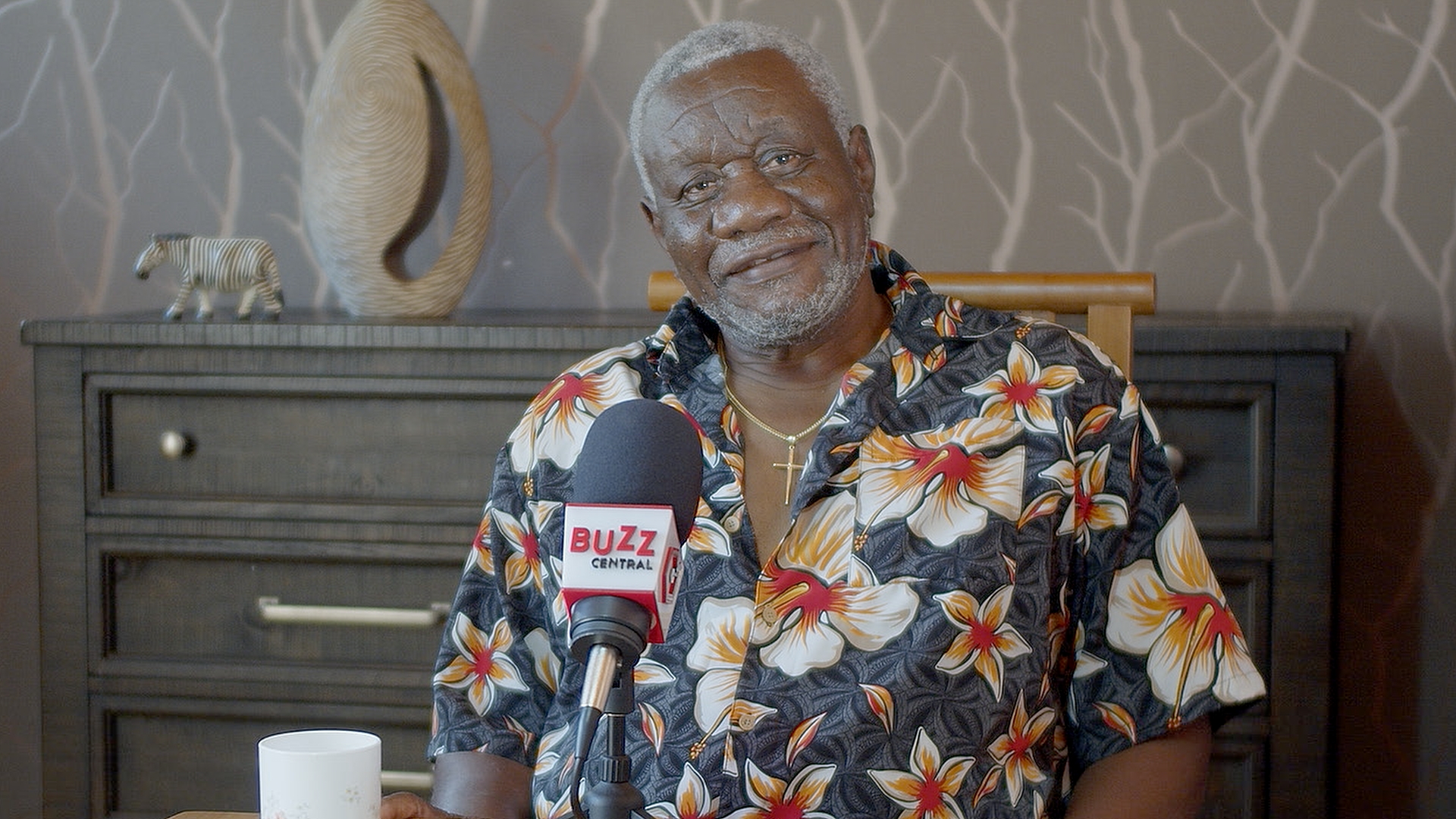
The debate has raged for years across Kenyan social media timelines and industry forums: Why do the same actors keep appearing in every film and television production? Now, top casting director and actor Gerald Langiri is offering a candid, behind-the-scenes perspective.
Langiri’s remarks come on the heels of a viral social media post by @kenyanLoser, who named five prominent actors Brenda Wairimu, Blessing Lunghao, Catherine Kamau, Sarah Hassan and Pascal Tokodi as performers whose presence would deter him from watching a project. The actors pushed back, and the conversation exploded.
Langiri, who has worked with all five, understands the frustration but argues the issue is more complex than audiences realise. “The actors you now call overused were once new faces,” Langiri states. “No one walked into this industry with the audience already loving them. It took years of work, rejection, discipline, and refusing to quit.”
He points out that survival in Kenya’s acting industry is rare. Many talented individuals quit due to financial pressure, rejection, or burnout. The “same faces” are, in many ways, the ones who endured.
Langiri pushes back against the claim that new actors never get opportunities. “I have cast new faces in many projects. Other casting directors have, too. Sometimes clients specifically ask for fresh talent.“
The real problem, he argues, is marketing. “A new actor can be in a show, but the poster will push the star. Audiences remember what they are shown. When a show introduces fresh faces, do we talk about them with the same energy? If we ignore new talent when they appear, we cannot keep complaining they are never there.”
He also addresses the uncomfortable truth about auditions. In his experience, out of 100 actors who audition, roughly 50 are not ready at all, 40 show potential with training, and only about 10 are actually prepared to compete for a role. “Confidence is not craft. Good looks are not acting. Passion alone cannot carry a scene,” he says. “Many people think wanting to act is the same as being able to act.”
He adds that stage acting and screen acting are fundamentally different. “On stage, you perform for the back of the hall. On screen, the camera is in your face. A whisper can be more powerful than a shout. Many actors come to film auditions still performing like they are on stage.”
Film and TV, Langiri reminds, are not just art, they are business. Producers weigh talent against risk, budgets, schedules and audience draw. Familiar actors come with a track record, professionalism, and trust. “Trust is serious currency,” he explains. “If an actor arrives prepared, takes direction, and respects the crew, they will be called back. That is not favouritism, that is reliability.”
Langiri encourages new actors to train, self-tape, build proof of their work and approach the industry professionally. “The door is open,” he says. “But you must be ready when it opens.”