

Trending News
U.S. Raises Kenya Travel Advisory to Level III, Warns Americans of Ebola, Kidnapping, Terrorism & Unrest
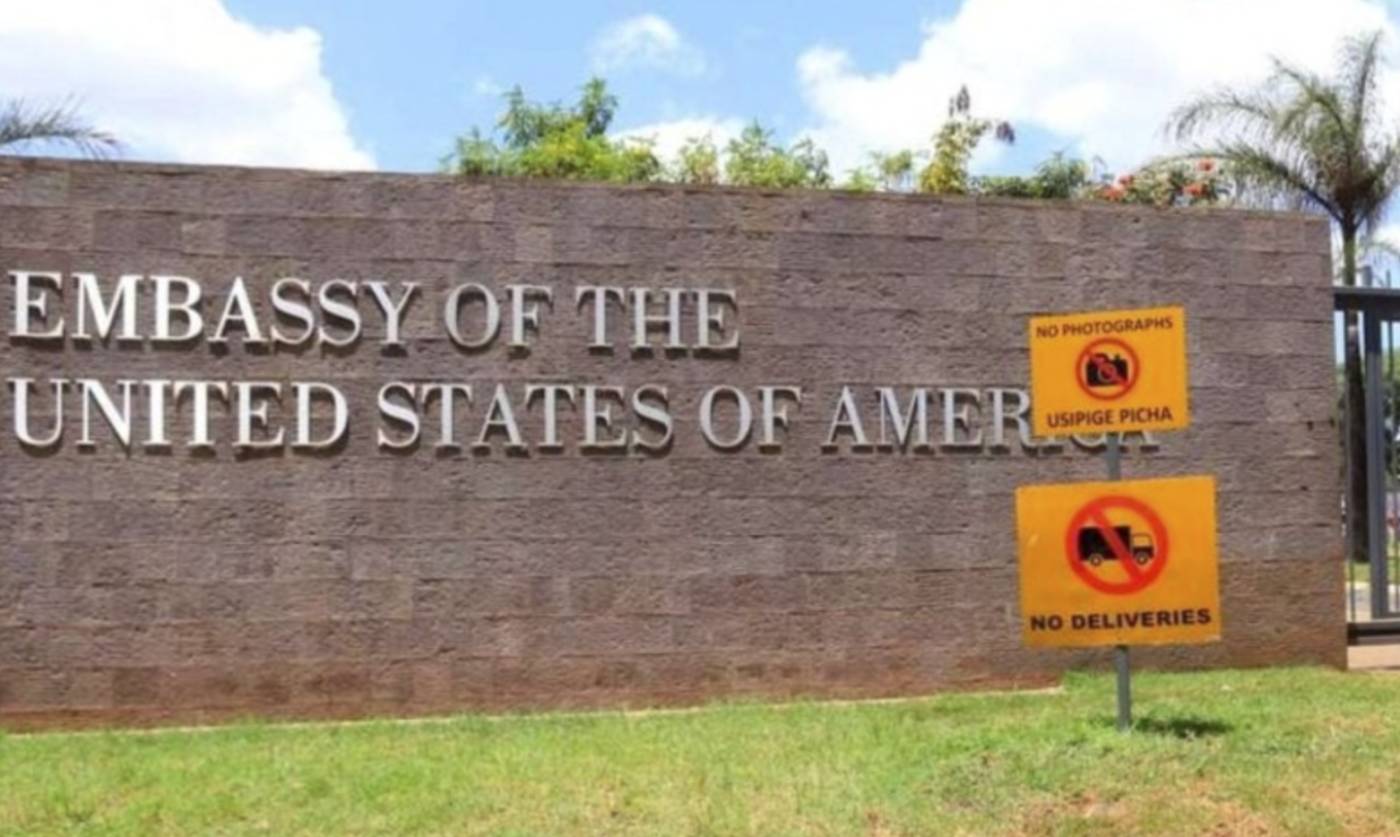
The United States has raised its travel advisory for Kenya from Level 2 to Level 3, urging American citizens to reconsider travel to the country due to risks of health, crime, kidnapping, terrorism, civil unrest and traffic safety. The Department of State renewed the advisory on October 19, 2026, elevating the warning level.
In its advisory, the State Department cited a Travel Health Notice issued by the U.S. Centers for Disease Control and Prevention (CDC) for Ebola Bundibugyo Virus Disease for Kenya. The advisory also references a separate CDC notice for Ebola in the Democratic Republic of the Congo (DRC), and notes that the World Health Organization declared the Ebola outbreak in the DRC and Uganda a Public Health Emergency of International Concern on May 17.
The State Department warned that medical services in Kenya are limited, often unavailable in rural areas, and frequently lack sufficient medicine and equipment. It cautioned that most facilities require upfront payment and that many health issues may require medical evacuation at the traveler’s own expense.
Beyond health, the advisory flags violent crime including armed carjacking, mugging, home invasion, sexual assault and kidnapping for ransom and notes that local police often cannot respond effectively. It also warns of terrorist plots targeting government buildings, tourist sites, transport hubs, hotels, markets, and places of worship and of demonstrations that can turn violent and block key highways.
The advisory designates several areas as Level 4 “Do Not Travel,” including the Nairobi neighborhoods of Eastleigh and Kibera due to crime and kidnapping; the counties of Garissa, Wajir, Mandera, Lamu, Tana River (except Tsavo National Park), Kilifi north of highway C103, and coastal areas north of Malindi due to kidnapping and terrorism; West Pokot and western Turkana counties due to crime; and Marsabit and Turkana counties within 50 kilometers of the Ethiopian border due to unrest.
The State Department also cited road safety, noting that major highways between Nairobi and Nakuru, Nairobi and Mombasa are only two lanes, and that automobile accidents are a leading cause of injury and death among Americans in Kenya.