Events
Humble Beginnings to Global Innovation: Samsung Electronics Marks 57 Years of Progress
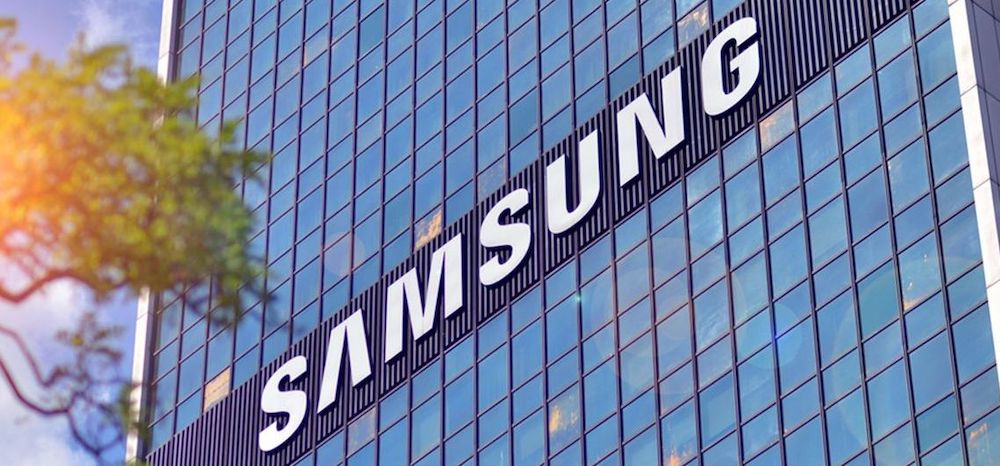
What began as an electronics manufacturer has grown into one of the world’s leading technology companies. As Samsung Electronics marks its Foundation Day on November 1, the company is celebrating 57 years of innovation and reflecting on the milestones that shaped its journey and continue to point the way forward.
The Early Years
Samsung Electronics was founded in 1969, taking its first steps in the electronics industry with the manufacture of consumer products, among them black-and-white televisions. The company later expanded into home appliances and international markets. By 1979, Samsung had begun mass-producing microwave ovens, widening its household electronics range. The 1980s saw further expansion: a research and development centre was opened in Suwon in 1980, and personal computer production began in 1983.
A Turning Point
A major shift came in 1988, when Samsung Semiconductor & Telecommunications merged with Samsung Electronics. Home appliances, telecommunications and semiconductors emerged as the company’s core businesses, a consolidation that strengthened its technological base and set the stage for future innovation.
The 1990s were a decade of reinvention, as Samsung sharpened its focus on research, product quality and global competitiveness. In 1992, it developed the world’s first 64-megabit DRAM, cementing its place in semiconductor technology.
In 1993, the company launched its New Management initiative, underscoring its commitment to quality and global excellence. By 1998, it had begun mass-producing digital televisions and had taken a leading position in the global TFT-LCD market, helping drive the shift towards digital entertainment. Momentum continued in 1999 with the development of a wireless internet phone and the launch of what Samsung identifies as the world’s first MP3 mobile phone milestones that signalled its growing role in connected consumer technology.
Growing Global Leadership
The early 2000s saw Samsung deepen its presence across consumer electronics, mobile devices and semiconductors. In 2002, it ranked first in NAND flash memory and second globally in semiconductors. By 2005, it had reached the number-one position in the global television market, beginning a period of sustained leadership. In 2006, Samsung became the world’s leading television brand by market share, while continuing to advance memory technologies that power the next generation of electronic devices.
A New Chapter in Mobile
A defining moment arrived in 2010 with the launch of the Galaxy smartphone series powered by Android. It opened a new era in mobile innovation, bringing communication, entertainment, photography and productivity together across a growing range of devices. Samsung continued pushing boundaries through its Galaxy ecosystem, advanced displays and connected technologies. In 2014, it acquired SmartThings, strengthening its connected home capabilities.
In 2017, it brought QLED televisions and The Frame to global markets, blending display innovation with fresh approaches to home entertainment and design. In 2019, Samsung marked its 50th anniversary, unveiled the Galaxy Fold and introduced BESPOKE refrigerators expanding possibilities in mobile design and personalised home appliances.
The Galaxy Fold signalled the emergence of a new smartphone category, while BESPOKE showed how technology could reflect individual lifestyles. In 2020, the company introduced the Galaxy Z Flip and Galaxy Z Fold2, advancing foldable technology and exploring new ways for people to interact with their devices.
Towards AI and Sustainability
More recently, Samsung has accelerated its work in artificial intelligence, advanced semiconductors and sustainability. In 2022, it began production using a three-nanometre semiconductor process incorporating gate-all-around transistor architecture, a significant manufacturing milestone.
In 2023, the company unveiled Samsung Gauss, its generative AI model, while continuing to develop advanced memory technologies. In 2024, it developed 10.7Gbps LPDDR5X DRAM optimised for AI applications and announced 24GB GDDR7 DRAM for next-generation AI computing.
Samsung also retained its position as the global television market leader for the 18th consecutive year in 2024 and ranked among Interbrand’s top five global brands for the fifth consecutive year, with a brand value of US$100.8 billion.
More Than Technology
Beyond its technological achievements, Samsung says its mission is to devote its talent and technology to creating superior products and services that contribute to a better global society. Its core values People, Excellence, Change, Integrity and Co-prosperity reflect a commitment to innovation, ethical conduct and responsible growth.
As Samsung marks Foundation Day, these milestones celebrate more than technological progress. They recognise the people, partnerships and ideas behind decades of transformation. From pioneering electronics to advancing AI-powered experiences, Samsung continues to look towards the future with the ambition to create meaningful innovation and make technology work better for everyone.