
Trending News
Hollywood actor Kate Walsh Joins Oceana in Mombasa to Champion Rights for Small-Scale Fishers
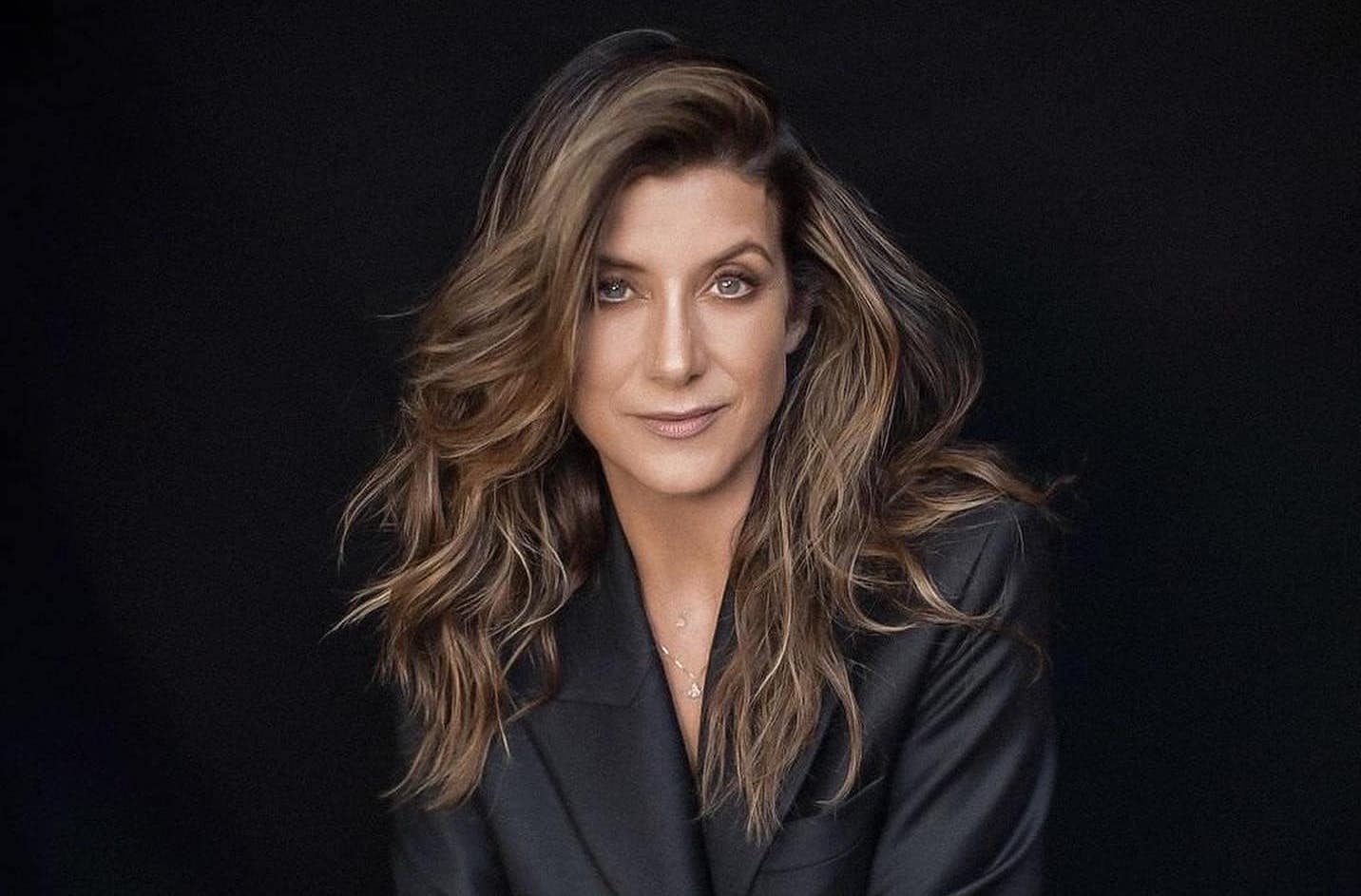
Hollywood actor Kate Walsh is set to join Oceana in Mombasa, where she will meet with small-scale fishers and help elevate coastal voices in global ocean decision-making.
Her visit comes just before the 11th annual Our Ocean Conference, scheduled for June 16-18 in Mombasa, Kenya. Oceana, the world’s largest ocean conservation organisation, is using this moment to urge governments to strengthen protections for critical marine habitats, boost transparency in global fisheries, and place small-scale fishers and coastal communities at the heart of ocean policy.
This year marks the first time the Our Ocean Conference will be held on the African continent. Since its launch in 2014, the conference has generated more than 2,900 commitments worth over $169 billion in support of ocean action.
Betsy Njagi, Principal Secretary in Kenya’s State Department for the Blue Economy and Fisheries said, “For millions across Africa, the ocean is essential to food security, livelihoods, economic opportunity, and climate resilience. Yet marine ecosystems face growing threats. As the conference convenes in Africa for the first time, it marks an important milestone for ocean governance, marine conservation, and the sustainable blue economy.”
Walsh will join Oceana’s experts in Mombasa to meet with local fishers and community leaders, helping to amplify their perspectives on sustainable fisheries and healthy oceans for food security and livelihoods across Africa. “I’m honoured to meet with local fishers here in Kenya and hear directly from the people whose lives and livelihoods depend on healthy oceans,” said Walsh. “Their voices must be included as leaders make decisions that will shape the future of our oceans.”
Across Africa, hundreds of millions of people rely on the ocean for food and income, yet marine ecosystems face growing pressure from overfishing, pollution, and climate change.
“On research trips over the years, I see the same patterns repeated from one coastline to another: marine ecosystems are facing greater pressures, fishing is becoming more dangerous, and fish are scarcer and more expensive,” said Dr. Christina Chemtai Hicks, a Kenyan British Professor at Lancaster University, Pew Marine Fellow, and Oceana Board Member.
“Across Africa’s coastlines and around the world, fishing communities are exposed to declining fish populations, rising costs, and climate impacts. This conference is an opportunity for leaders to advance ocean policies that protect food security, livelihoods, and marine ecosystems together.”
Industrial fishing activity in African waters, including by foreign-owned fleets, continues to raise concerns about transparency, accountability, and equitable access to marine resources. Much of that catch is exported to wealthier nations, reducing what is available for local communities that depend on seafood for nutrition and livelihoods.
Improving transparency in global fisheries through stronger monitoring of fishing activity and vessel ownership, public access to information, and stricter enforcement of existing regulations can help curb illegal and destructive fishing, provide data to rebuild fish populations, and support advocacy by small-scale fishers and coastal communities.