
Trending News
How Bolt Doubled Its Electric Ambition in Kenya, E-Motorbikes Now Making Up 50 Percent of Its Fleet
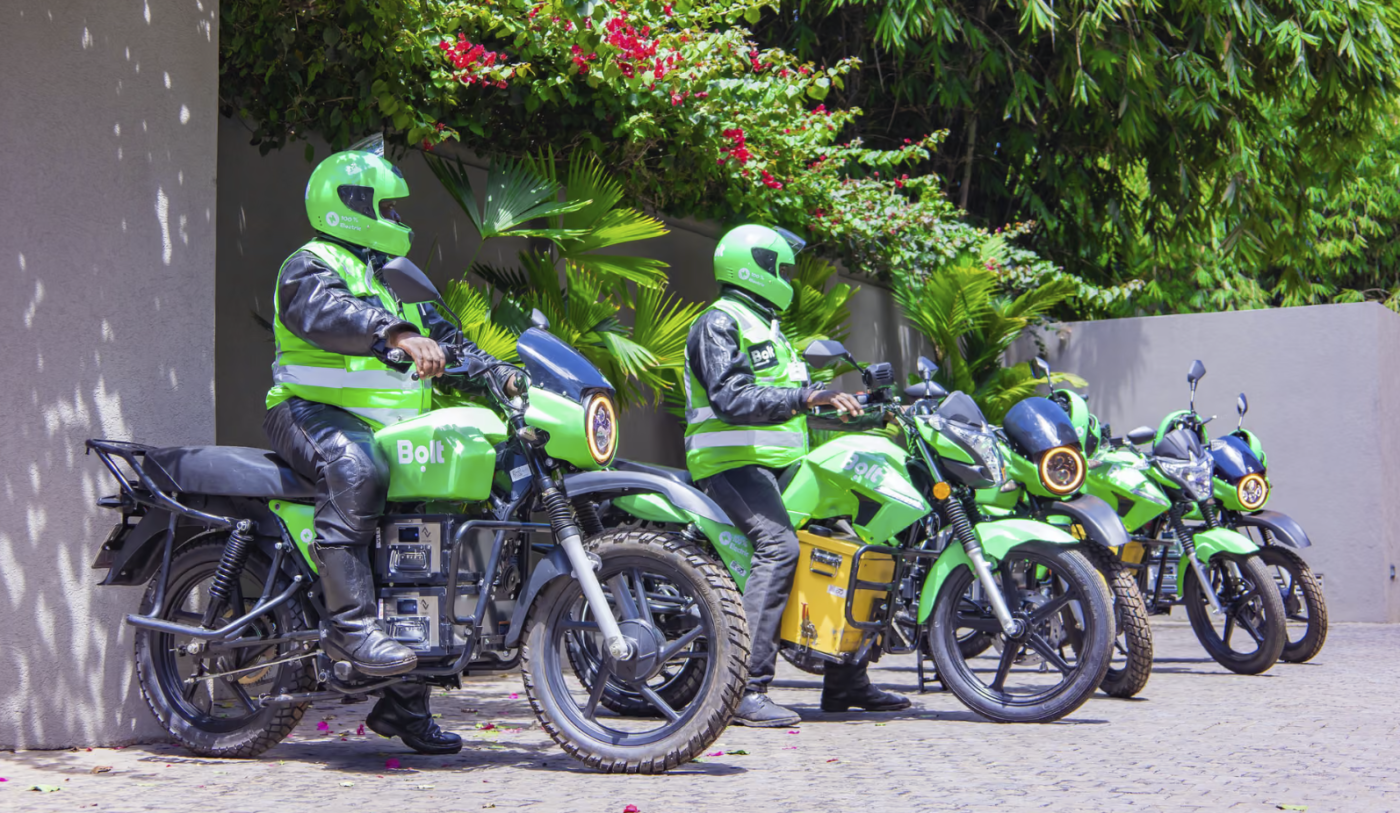
When Bolt set out on its electric mobility journey in 2024, the goal was ambitious but seemingly far off: approximately 6,000 electric motorbikes on the platform by the end of 2026.
Fast forward to today, and that target has not just been met but shattered. Electric motorbikes now make up 50 percent of Bolt’s motorbike fleet, with over 10,000 e-bikes actively on the platform. The company did not just hit its 40 percent milestone ahead of schedule; it blew past it, more than doubling its initial projection.
But how did this happen so fast, and what does it mean for the average Kenyan rider? A closer look at the company’s latest update reveals that this is not just a tech story. It is a story about the economics of survival, asset ownership, and the relentless pressure of fuel prices.
The single most compelling figure comes from Bolt’s financing partner, M KOPA. According to their November 2025 data, electric motorbike customers in Kenya save an average of Ksh 730 per day. That is not pocket change. It is a massive shift in daily take-home income for a boda boda rider. This saving does not come from a single source.
It is a combination of reduced fuel spending, fewer mechanical repairs, and the efficiency of battery swapping. When petrol prices rise, as they inevitably do, Ksh 730 becomes an even more powerful incentive. As Bolt notes, when petrol prices rise, the financial case for switching becomes more compelling.
However, the switch is not just about daily cash flow. It is about the future. One of the most overlooked barriers to electric adoption in Africa has been the upfront cost. A rider cannot simply wake up and decide to buy an electric bike. They need a deposit, and they need access to reliable battery infrastructure. Bolt’s strategy has been to tackle this through accessible financing and a clear pathway to motorbike ownership.
Through partnerships with companies like M-KOPA, riders do not just rent a bike; they work towards owning it. According to Bolt, this ownership pathway is
the key to driver retention. Riders are not just earning a daily wage; they are building a productive asset. Once the repayments are complete, the bike is theirs. That longer-term incentive of financial independence through asset ownership is what keeps drivers engaged even when the going gets tough.
Despite the steady rise to 50 percent penetration, Bolt is not declaring victory just yet. The company acknowledges that several challenges could slow the momentum. Affordable upfront deposits remain a barrier for many, consistent motorbike availability is still a work in progress, and reliable access to charged batteries is essential for drivers who cannot afford downtime.
After-sales support and spare parts are equally important. A rider will only switch to electric if they are confident the bike can stay on the road and generate income without weeks of waiting for repairs.
Bolt is clearly positioning itself as the leader in Kenya’s electric transition. While the company notes that comparisons with competitors require careful equivalent fleet definitions, locations, and reporting periods, the numbers speak for themselves. Bolt’s strategy to maintain this lead is straightforward.
It is doubling down on what matters most to drivers: affordable vehicle financing, a pathway to ownership, reliable earning opportunities, and strong partnerships across vehicle supply and battery infrastructure. It is a strategy that moves beyond simply adding bikes to the app; it is about building an ecosystem.
While the carbon-reduction figures are complex to calculate, requiring data on distance travelled, electricity sources, and battery lifecycle, the directional impact is undeniable. More electric motorbikes mean fewer petrol-powered engines, less reliance on fossil fuels, and cleaner urban air. Bolt’s 50 percent penetration is a signal that the transition is no longer a niche experiment. It is becoming the default.
Bolt’s journey to 50 percent electric penetration is not just a win for the company. It is a proof point for the entire East African e-mobility sector. It shows that when you combine accessible financing, a pathway to ownership, and a product that saves riders KES 730 a day, adoption can accelerate faster than anyone predicted.
The target for 2026 is no longer about reaching a percentage. It is about making sure that every rider who wants to switch can afford the deposit, find a bike, and swap a battery without losing a day’s work. If Bolt can solve those three challenges, the next milestone might not be 50 percent. It might be 100 percent.