

Events
Loop DFS Plants 3,000 Indigenous Trees in Naivasha as Part of Sport-Driven Sustainability Push
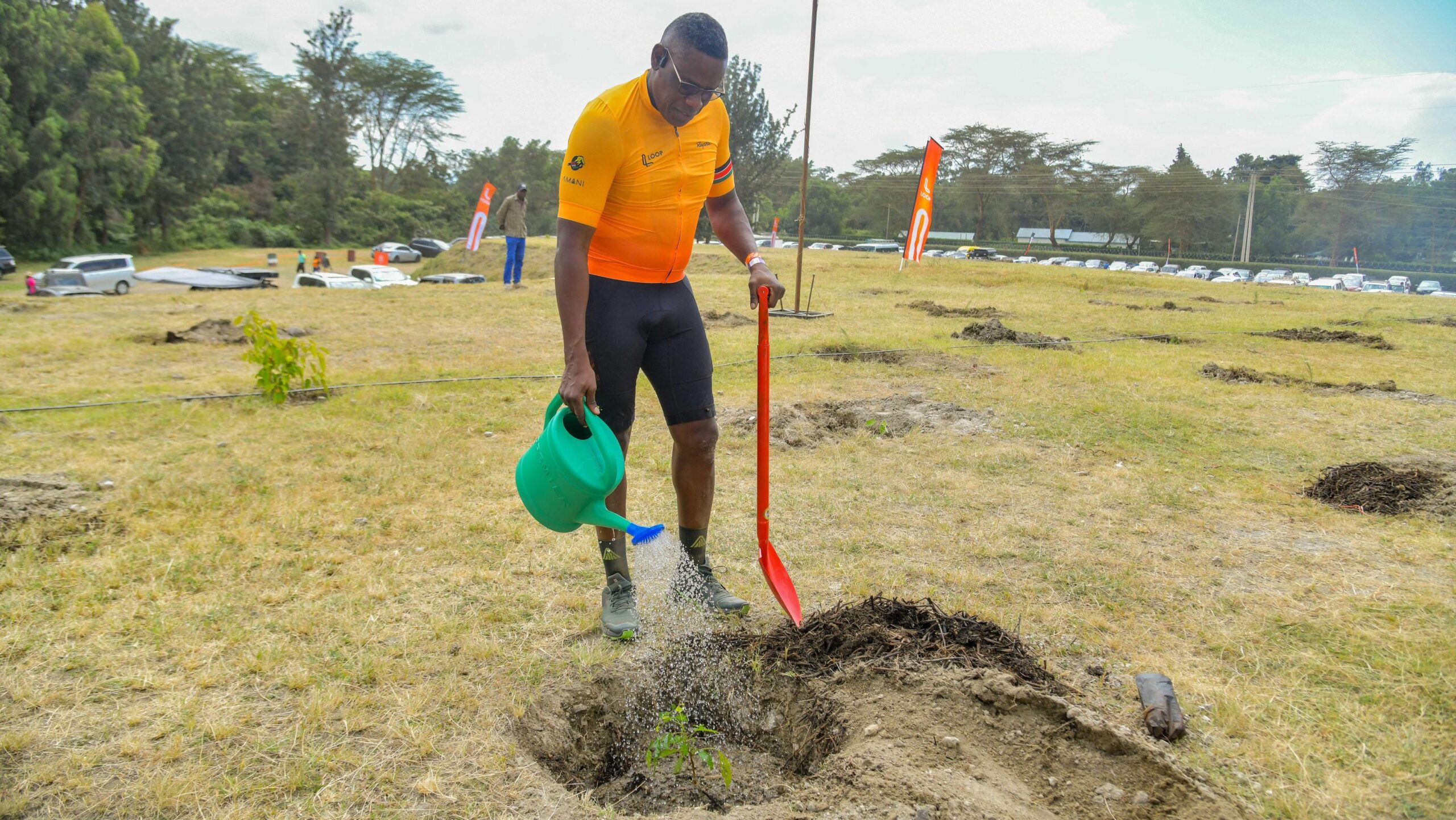
As part of its ongoing environmental efforts, LOOP DFS planted 3,000 indigenous and adaptive trees at Flamingo Farm in Naivasha. The activity represents an important step forward in the organisation’s dedication to ecological preservation, habitat recovery and long-term climate adaptation.
The effort is part of LOOP’s environmental strategy, which is woven into the LOOP Safari Gravel Series. Planting trees has become a signature component of every edition. Through this model, LOOP guarantees that each event generates a sustained beneficial effect on both the local communities and the natural environments that serve as hosts.
Speaking during the event, LOOP DFS CEO Eric Muriuki said, “Our tree-planting initiative within the Gravel Series reflects LOOP’s commitment to integrating sustainability into everything we do. By bringing together sport, community, and environmental action through the series, we are not only creating memorable experiences but also taking deliberate steps to restore ecosystems and protect biodiversity.”

The planting took place alongside the second leg of the LOOP Gravel Series 2026, which attracted over 2,000 participants, including 850 cyclists, along with spectators, partners, and community members demonstrating a high level of collective involvement. The activity was carried out in partnership with Hell’s Gate management, a key collaborator in supporting conservation initiatives within the Naivasha ecosystem.
A Hell’s Gate representative welcomed the initiative, saying, “Partnerships like this are essential to restoring our landscapes and protecting the ecosystems that sustain local communities. By planting indigenous and adaptive trees, this initiative will support biodiversity, strengthen climate resilience, and contribute to the long-term health of the Naivasha environment.”
The 3,000 indigenous and adaptive species include Odo, Olive, Neem, Croton, Acacia, Melia azedarach and Syzygium. These varieties were chosen for their compatibility with local environmental conditions, their capacity to enhance biodiversity, and their role in promoting ecosystem recovery, soil vitality, and long-term survival in the region.
This reforestation effort is expected to boost biodiversity by providing habitats for birds, insects, and other wildlife, while aiding in the restoration of natural landscapes.