

Entertainment
Janet Mbugua Questions Timing of Mercy Masika’s ‘Becoming a Wife’ Masterclass Amid Femicide Crisis
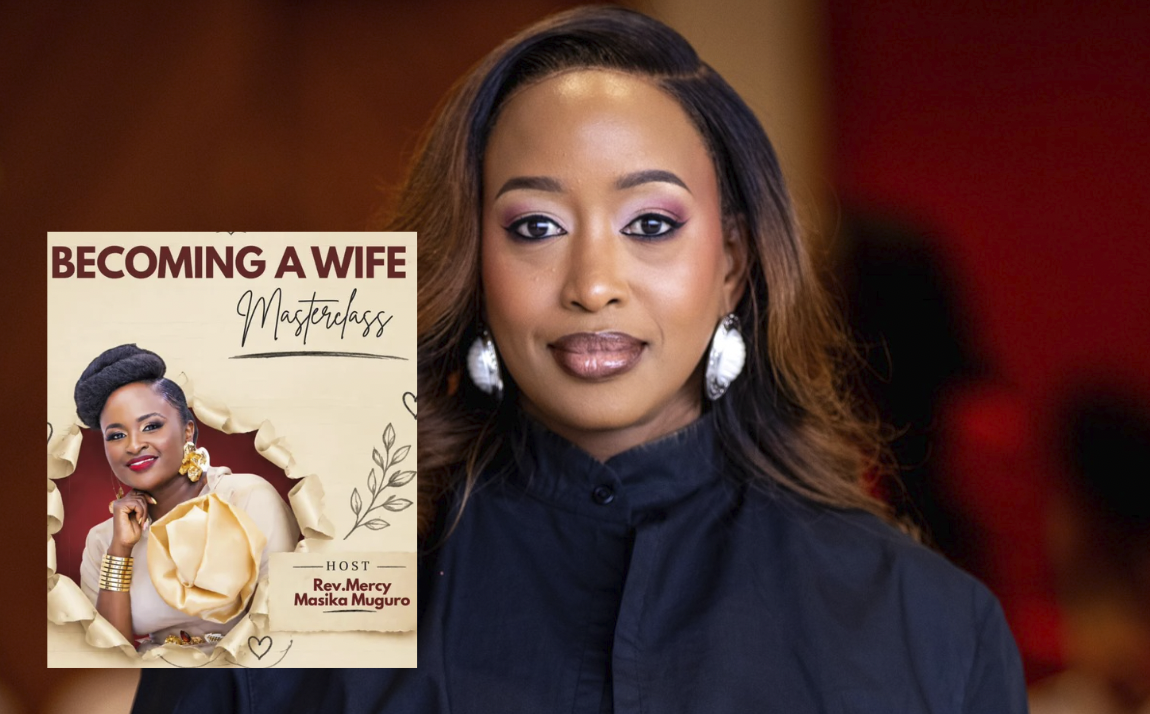
Media personality Janet Mbugua has questioned the timing of gospel singer Mercy Masika’s upcoming “Becoming a Wife” masterclass, arguing that it is tone-deaf given the current national crisis of femicide, gender-based violence (GBV), and sexual abuse.
In a social media video, Mbugua that while the institution of marriage is a personal choice, pedestaling a platform focused on a woman’s role as a wife is inappropriate when the country is grappling with a daily emergency regarding women’s safety.
“Please read the room,” Mbugua stated. “A woman is being killed every day in this country, several each week, each month, each year. Over 200 cases of femicide, 1,000 teenage pregnancies, thousands of cases of statutory rape and defilement. These stories make headlines every day. That is what people are concerned about right now.”
Mbugua outlined three reasons for the public pushback against the masterclass. First, she pointed to the national crisis, arguing that the sheer volume of violence against women and children makes a masterclass on Becoming a Wife seem disconnected from the urgent reality on the ground.
Second, she challenged the church’s perceived silence on issues like extrajudicial killings and femicide, noting that the pulpit is often quieter on these issues than it is on political matters.
Finally, she questioned the lack of a parallel “Becoming a Husband” masterclass, asking why the burden of relationship success is consistently placed on women, and she also raised concerns about the handling of domestic issues within certain religious settings, where women are often discouraged from speaking out or seeking separation.
“I wonder whether we all are on the same page,” Mbugua added. “When we are already top of the class when it comes to unpaid labor and trying to do our best, it’s a pretty tone-deaf thing to have a masterclass that almost looks like you’re saying we need to work on being better.”
She concluded by validating the outrage, stating that the questions being asked are not born of bitterness, but of genuine concern and a desire for accountability.